




Ha Giang Loop
Is Ha Giang Loop Safe? An honest review with practical tips for safety
 Tristan Do
Co-founder & Marketing
Tristan Do
Co-founder & Marketing


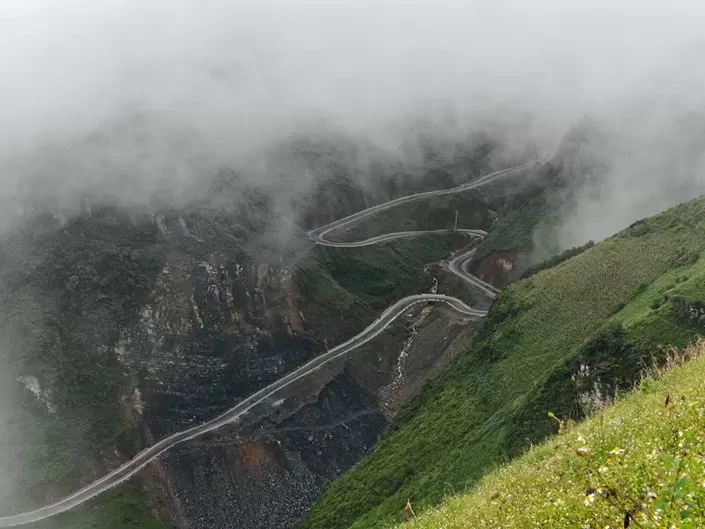
Ha Giang Loop is indeed appealing for adventurous hearts, but you might question: Is the Ha Giang Loop dangerous?
In fact, the Ha Giang Loop is safe for most travelers – when you ride at a controlled pace, wear proper gear, carry valid insurance, and respect the mountain roads. The 350 km route through northern Vietnam’s limestone passes is challenging by nature, but thousands of riders complete it every month without incident.
Yes, the risk is real but manageable. What separates a great trip from a dangerous one almost always comes down to preparation. Through this article, let’s prepare ourselves with the most important knowledge, and make sure we enjoy Ha Giang Loop – not just fun, but safe!
TL;DR – Key things to remember for a safe Ha Giang Loop
- The Ha Giang Loop is not inherently dangerous, but it demands skill, caution, and the right preparation.
- Always verify that your travel insurance explicitly covers motorbike riding before you go.
- Wear a helmet and rain gear.
- Ride only in daylight, stay under 50 km/h on mountain passes, and never overtake on blind curves.
- Vietnam’s emergency numbers are 115 for ambulance and 113 for police.
What are some general safety tips for the Ha Giang loop?
Riding the Ha Giang Loop safely comes down to three decisions: how you travel, what you wear, and how you behave on the road.
Tip 1: Select the most suitable transportation option.
You have three choices on the loop:
| Option name | Safety level | Who is it for? |
| A car or a jeep with a driver | Safest: This is not a popular way to experience the loop, but it is the most cautious way. Typically, there are 7, 16, or 26 slot cars for you to choose from. | If you go with children, elders, a large group, or someone who is just not really ready for a sense of adventure, go with this option. |
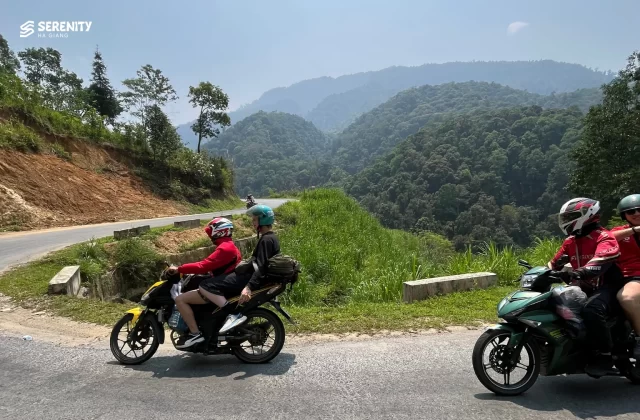
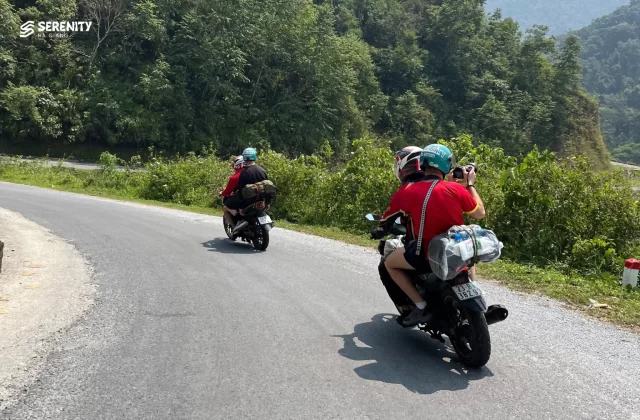
| Easy rider (Riding pillion behind a local guide) | Medium: This is the 2nd-best option; you can count on an experienced rider to bring you through the Ha Giang loop pass. This is the balanced way to experience Ha Giang without the stress of driving; you can sit back and soak in the raw beauty of the landscape while someone else handles the road. | This is for anyone without mountain riding experience, but who wants to feel the loop with freedom. |
| Self-drive motorbike | Least safe: This is a risky option, especially if you haven’t experienced the steep mountain with many sharp bends of Vietnam’s highland area. | This is for people with long, hands-on experience in riding who want to have the adventurous feeling. |
⚠️ Note: If you plan to self-drive, be aware of the law. As of 2026, Ha Giang authorities maintain strict checkpoints in Ha Giang City, Dong Van, and Meo Vac. To ride legally, you must carry a valid motorbike license from your home country and an International Driving Permit (IDP). Riding without the document can result in fines of 2–8 million VND and potential bike impoundment.
Tip 2: Gear up properly.
Always wear a full-face helmet – not the thin plastic ones often provided at rental shops. Bring a quality waterproof jacket and pants, gloves, and sturdy shoes. A reflective safety vest makes you visible to trucks in fog or twilight, and waterproof gloves are essential because cold, numb fingers can’t brake effectively.
Tip 3: DON’T BINGE DRINKING!
This sounds like redundant advice, but it actually can save your life. Besides the epic mountain scenery, Ha Giang is known for many intense, nightly celebrations, often featuring “happy water” (local rice wine), karaoke, and group bonding. If you are a bit too hyped and drink too much, don’t drive. No one should put their own life and their partner’s on the line, regardless of how confident they are.
If you go with an easy rider, you should check on them as well. While professional Easy Rider companies have strict rules against drinking before a tour, some smaller, less reliable operators might not be as careful. Even though most riders stay sharp and sober for your safety, it’s always smart to double-check and choose a reputable team you can trust!
Tip 4: Ride like a local mountain rider.
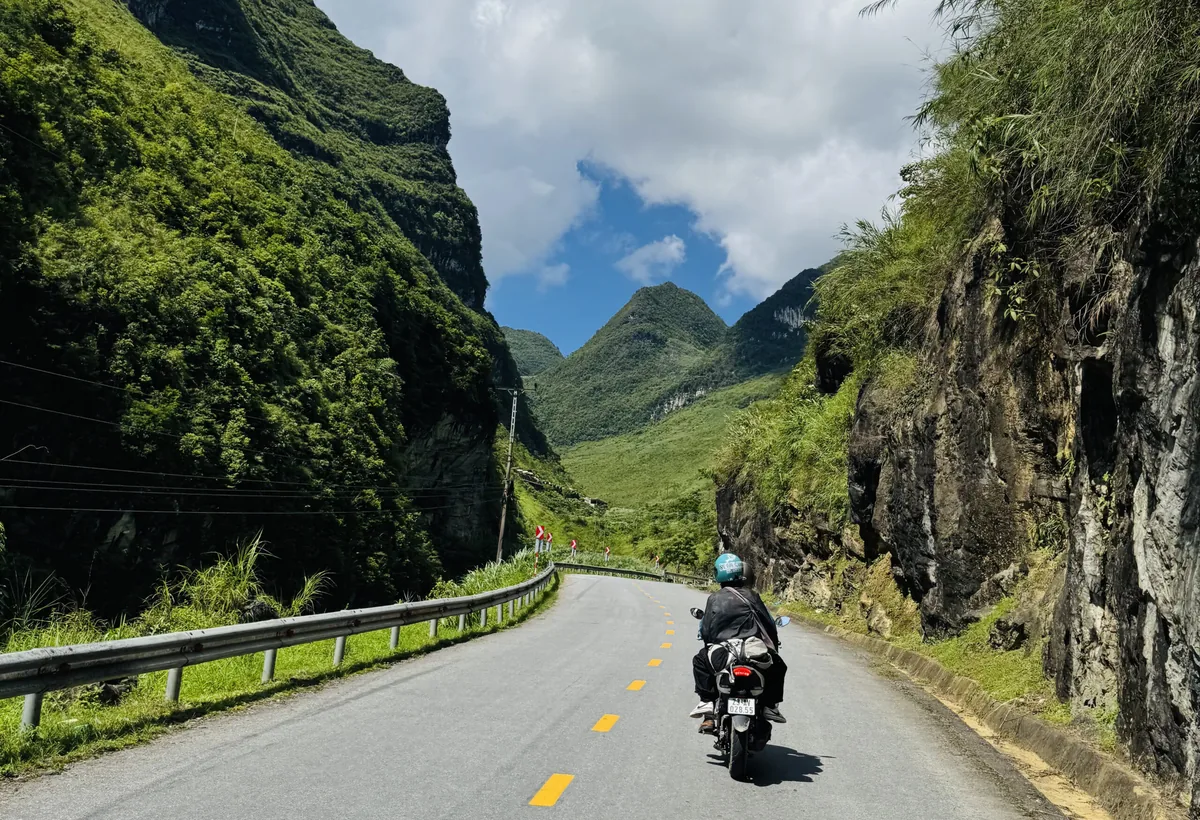
Never overtake on a curve – this is the golden rule of Vietnamese mountain riding. Roads are narrow and lack guardrails. Large construction trucks and buses often take up the entire road width on sharp bends. Lightly beep your horn before every blind turn to alert oncoming traffic. Keep your speed under 50 km/h on passes, and ride only between sunrise and sunset.
Choose the dry season (November to April) for the safest road conditions. Visibility is better, roads are less slippery, and rockfall risk is significantly lower. Check this guide to know the Best time for the Ha Giang loop.
Understanding the Road Conditions and Hazards of Ha Giang Loop
The Ha Giang Loop is not a uniform road. Conditions vary dramatically across its 350 km, and knowing what to expect on each stretch helps you ride with appropriate caution.
Most of the main loop is now paved, but surface quality shifts often. Many sections include gravel or dirt that becomes slippery and uneven after rain. Cliffside roads often have no guardrails, meaning any riding error on a narrow pass carries serious consequences. Sudden fog, rain, or storms can reduce visibility to near zero within minutes, and unexpected obstacles – rockslides, loose stones, livestock – can appear without warning.
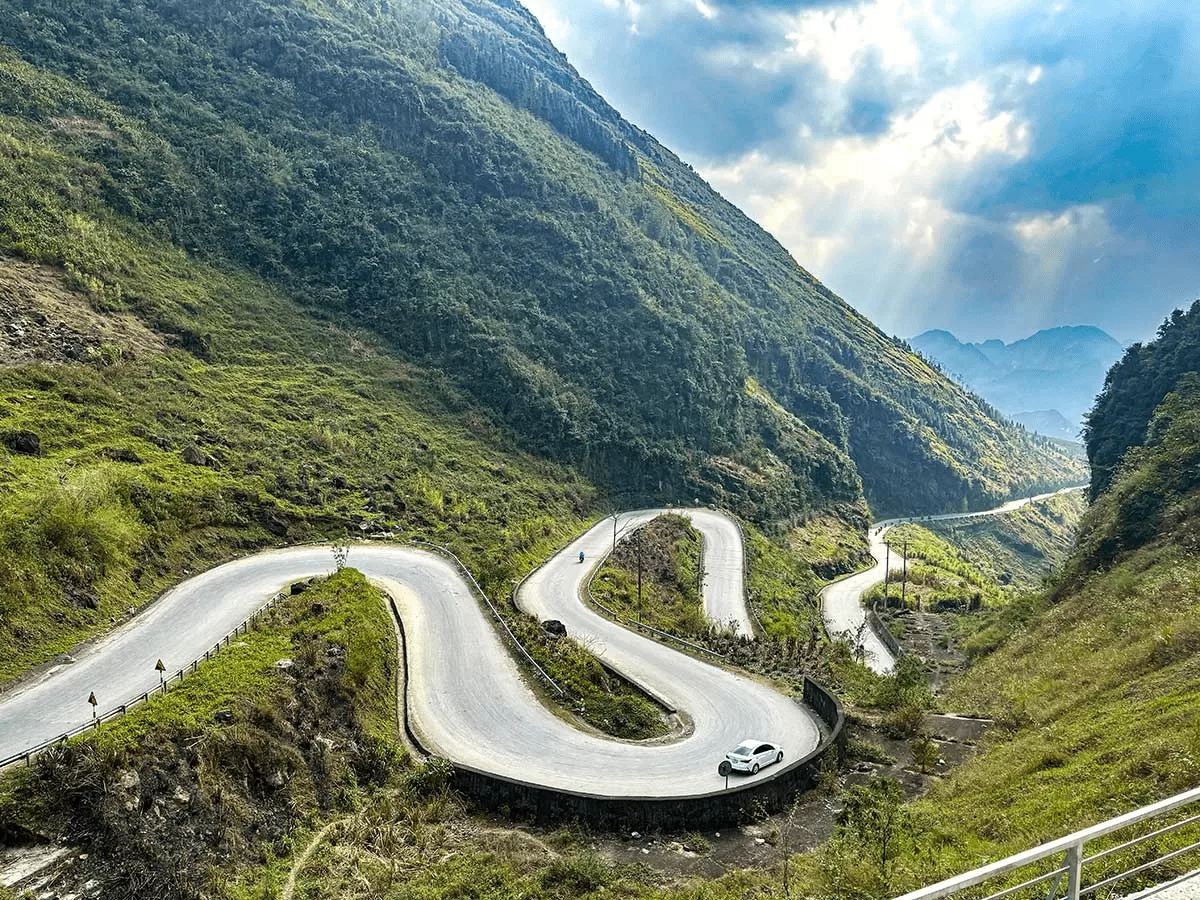
The most challenging stretches include:
- Ma Pi Leng Pass: steep cliffs, sharp bends, and frequent fog. Considered the most exposed section of the entire loop.
- Bac Sum Pass: tight turns and surfaces that become extremely slippery after rain.
- Dong Van to Meo Vac: high elevation with sudden weather changes and occasional rockfall.
- Sky Path area: narrow roads with heavier tourist traffic, increasing collision risk.
Following heavy flooding in late 2025, several sections of the loop near Yen Minh have undergone repairs. Though the road conditions continue to improve, always check the current status with your hostel or tour operator on the morning you ride.
The weather on the loop is unpredictable. You can start in warm sunshine in the valley and hit thick fog at the top of a pass within an hour. Always carry a rain set in your bag, and check the forecast before each riding day. If conditions look dangerous, postpone. No viewpoint is worth a cliffside accident.
Ha Giang Loop travel insurance options
Not optional, travel insurance is a practical necessity on the Ha Giang Loop! Medical evacuation from a remote mountain pass to Ha Giang City, or onward to Hanoi, can cost thousands of dollars without coverage.
What your policy must cover:
- Motorbike riding: This is the most commonly missed clause. Many standard travel policies exclude motorbike accidents entirely. Before doing the loop, verify that your travel insurance covers riding a motorbike, even as a passenger, since it’s not always included automatically.
- Adventure sports: Some insurers classify mountain riding under adventure or extreme sports, requiring an add-on.
- Medical evacuation: ensure your policy covers transport to the nearest adequate hospital, which may be in Ha Giang City or Hanoi.
- Motorbike engine size: Some policies cap coverage at 125cc. Check the cc of your rental bike against your policy terms.

Some recommended travel insurance providers:
Most commonly used by travelers on the Ha Giang Loop include World Nomads and SafetyWing (which offers an adventure sports add-on). Always read the fine print before purchasing, and save your policy documents offline since mobile signal is unreliable along much of the route.
One critical point: riding without a valid IDP almost always voids your travel insurance, even if you have a home-country license. Get your IDP sorted before you leave home. It’s inexpensive and takes minutes to arrange through most automobile associations.
If you’re riding with an easy rider tour, ask your operator whether the tour price includes any accident or third-party cover for passengers. Most reputable operators carry basic coverage, but it’s worth confirming in writing.
Availability of services (Grab, Emergency) on Ha Giang Loop
This is one of the most commonly misunderstood aspects of the Ha Giang Loop, and getting it wrong can leave you stranded.
| Service Type | Available? | ATM is available during the loop, but it can be unreliable |
| Ride-hailing | GrabBike, Xanh SM, Local taxis, and motorbike-taxi. | Xanh SM and local taxis are easier to catch than Grab. |
| Mobile Signal | Coverage varies along the loop | Viettel has the best network. Download your offline maps before the loops. |
| Petrol Stations | In the main towns, but the distance between each is long. | Fill up whenever you see a station. If you go on a tour, easy riders will take care of this for you. |
| ATMs / Cash | ATM is available during the loop, but can be unreliable | ATM is available during the loop, but it can be unreliable |
Is there Grab in Ha Giang?
Since Jan 2026, GrabBike has been supported in Tuyen Quang province, including Ha Giang. However, some other alternative options are easier to use than Grab in Ha Giang:
- Xanh SM: This is similar to Grab, a Vietnamese first all-electric taxi and ride-hailing company. Since 2024, Xanh SM has arrived in Ha Giang and can bring you through the Tham Ma Pass to the Lung Cu tower.
- Local taxis and motorbike-taxi (xe ôm) drivers are available in towns like Dong Van, Meo Vac, and Yen Minh; ask your homestay to help you arrange one.
Mobile signal and connectivity:
Coverage varies significantly along the loop. Viettel has the best network penetration across northern mountain roads. If you arrive without a local SIM, buy a Viettel SIM in Hanoi or Ha Giang City before setting off. Download your offline maps and charge your power bank before each riding day – long mountain sections can drain both battery and data quickly. Don’t rely on live GPS navigation in the deep passes.
Fuel and mechanical support:
Petrol stations exist in the main towns (Quan Ba, Yen Minh, Dong Van, Meo Vac), but gaps between them can be long on remote stretches. Fill up whenever you see a station. If you rent through a reputable operator, they typically have local mechanic contacts along the route. Save the number before you leave.
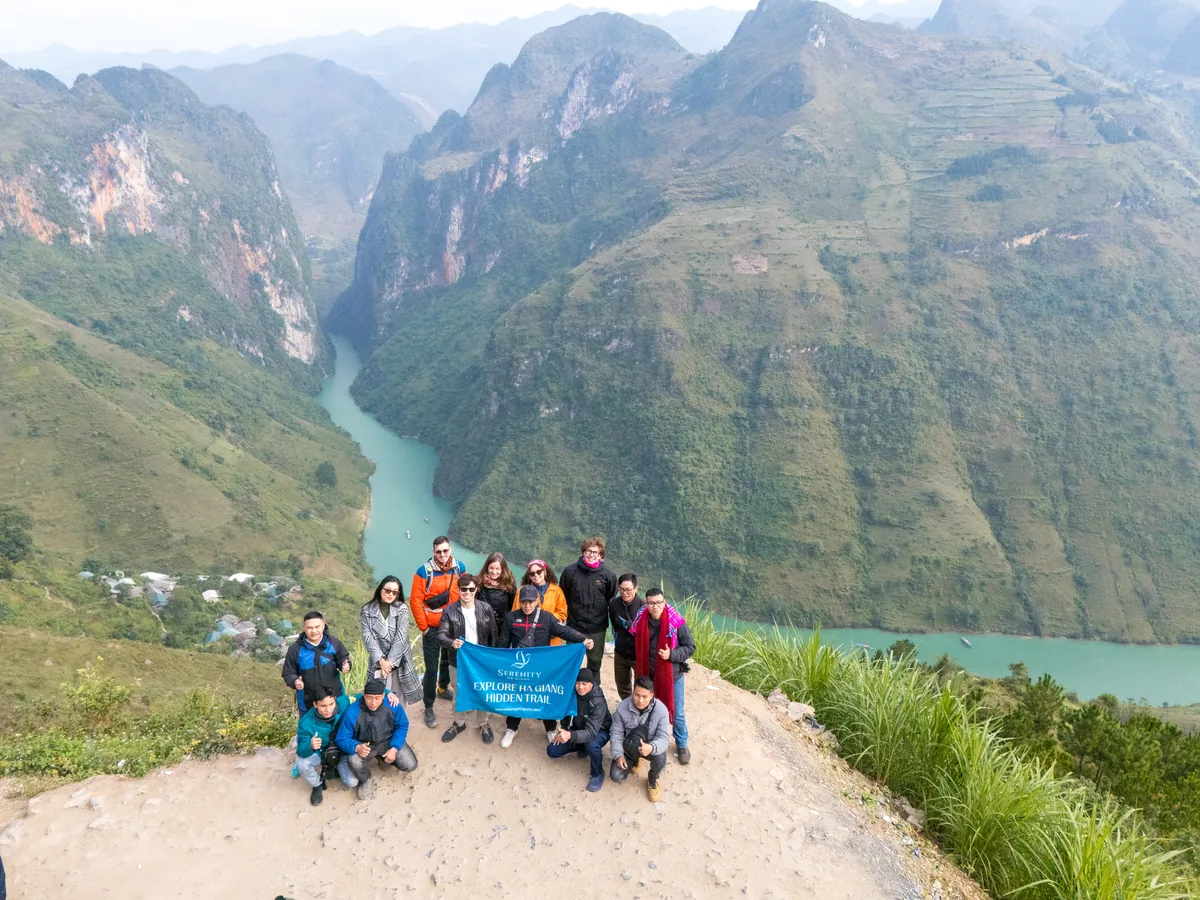
However, if you go on a tour like Serenity Ha Giang, your easy riders will be responsible for this petrol problem; you just need to enjoy the loop without worrying about anything.
ATMs and cash:
Carry enough cash before leaving Ha Giang City. ATMs are available in Dong Van and Meo Vac, but can be unreliable. Most homestays and small restaurants are cash-only.
What to do in case of an emergency on the Ha Giang Loop?
Being prepared for an emergency on the Ha Giang Loop is part of riding responsibly. Here’s exactly what to do if something goes wrong.
Key emergency numbers in Vietnam:
- 115: Ambulance (medical emergency)
- 113: Police
- 114: Fire
If something serious happens, you can visit a clinic in Dong Van or Meo Vac, or go to the main hospital in Ha Giang City. Locals will guide you if you need support. You’re never entirely far from help. That said, evacuation from a remote pass to a hospital can take time, which is exactly why travel insurance with medical evacuation coverage matters.
Step-by-step emergency protocol:
What should you do if you have an accident on the Ha Giang Loop? First, keep calm, and follow the steps:
- Stop and assess. Move yourself and the bike safely off the road immediately. On cliffside roads, prioritize getting away from traffic before anything else.
- Call for help. Use 115 for ambulance or 113 for police. If you have no signal, ride or walk to the nearest town and ask locals for help.
- Contact your tour operator or rental shop. They have local networks and can coordinate support, mechanic help, or transport far faster than going it alone.
- Document everything. Take photos of the scene, the bike, any injuries, and any third parties involved. This documentation is essential for your insurance claim.
- Contact your insurer. Most travel insurance providers have a 24-hour emergency assistance line. Save this number in your phone before you start the loop.
If you’re on a guided tour, your guide is your first point of contact. Reputable tour operators carry emergency contacts for every district along the route and know the fastest way to get help.
Prevent emergencies before they start.
The single most effective safety measure is choosing a tour or transport option that matches your actual skill level, not the level you wish you had. If you’re riding pillion with an easy rider, check that your driver doesn’t consume alcohol before or during the riding day. If something feels unsafe, you’re allowed to stop and say so.
Let’s start a safe Ha Giang Loop trip!
The Ha Giang Loop is one of the most spectacular journeys in Southeast Asia. It’s also a route that demands honest self-assessment and solid preparation. The travelers who have the best experiences here aren’t necessarily the most experienced riders – they’re the ones who plan carefully, insure properly, and ride with consistent respect for the road.
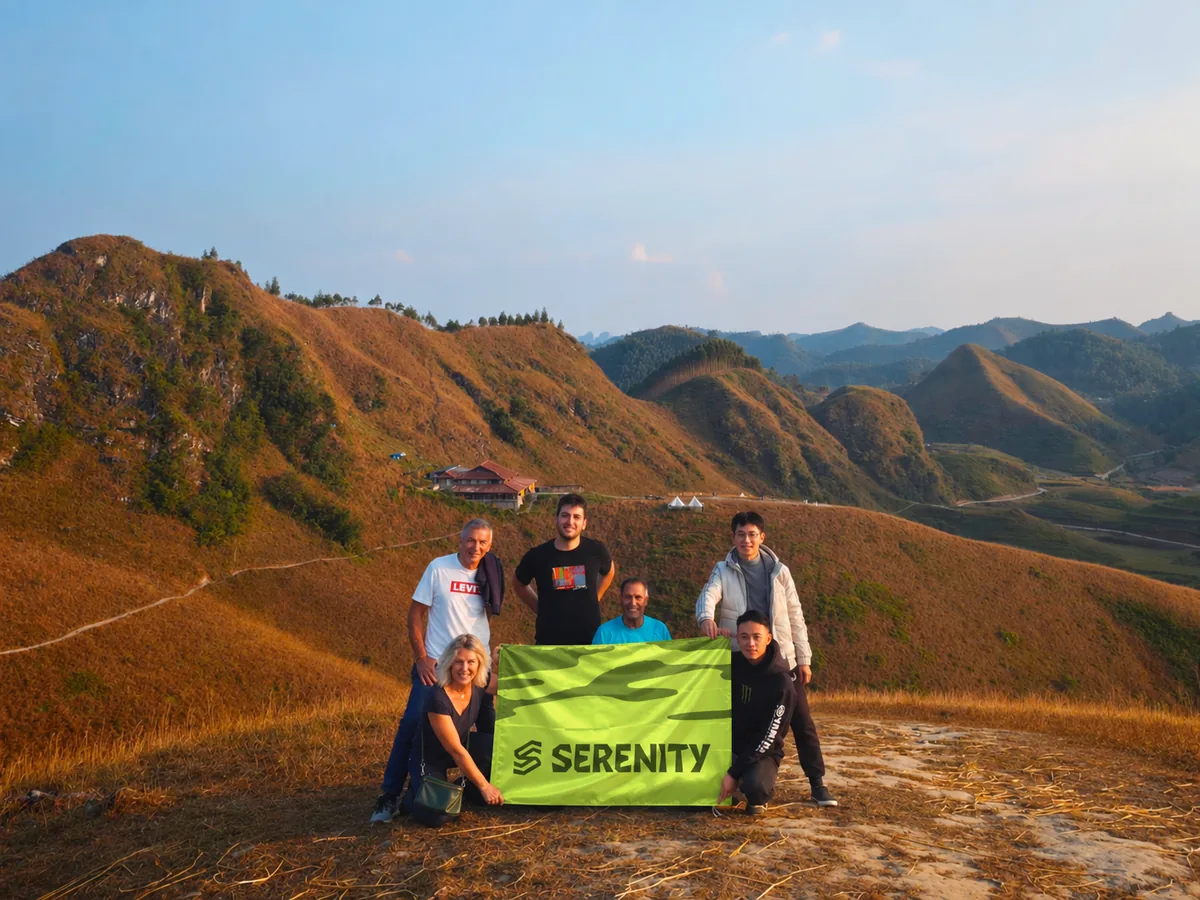
If you’re still deciding how to experience the loop, contact Serenity Ha Giang for an enjoyable tour prepared with dedication. At Serenity Ha Giang, we don’t just guide; we protect. With rigorous safety standards and a dedicated team always within reach, we handle the risks so you can handle the wonder. That peace of mind lets you focus on what makes Ha Giang unforgettable – the passes, the valleys, and the quiet magic of Vietnam’s far north.
Note: Ha Giang has now become a part of Tuyen Quang since July 2025.
FAQ about Safety Ha Giang loop
Q: Is the Ha Giang Loop safe for beginners?
Q: What happens if my motorbike breaks down in the middle of a mountain pass?
– Move to safety, secure the bike, and make yourself visible.
– Document the vehicle statement with your phone.
– Call the rental service or the tour operator for instructions.
– Bring your bike to mechanics; there are some along the route.
Some tips: Take photos of the bike before renting to document pre-existing damage.
Q: What is the best time to ride the Ha Giang Loop safely?
Q: How does Serenity Ha Giang help with safety while on the tour?
Before each trip, guides check the weather and road conditions, and will adjust the route if there are risks like landslides or heavy rain. Basic first aid supplies are also available on every ride for added peace of mind.