

Ethnic Minorities & Culture
Exploring the most captivating Ha Giang Villages on your summer trip!
 Tristan Do
Co-founder & Marketing
Tristan Do
Co-founder & Marketing


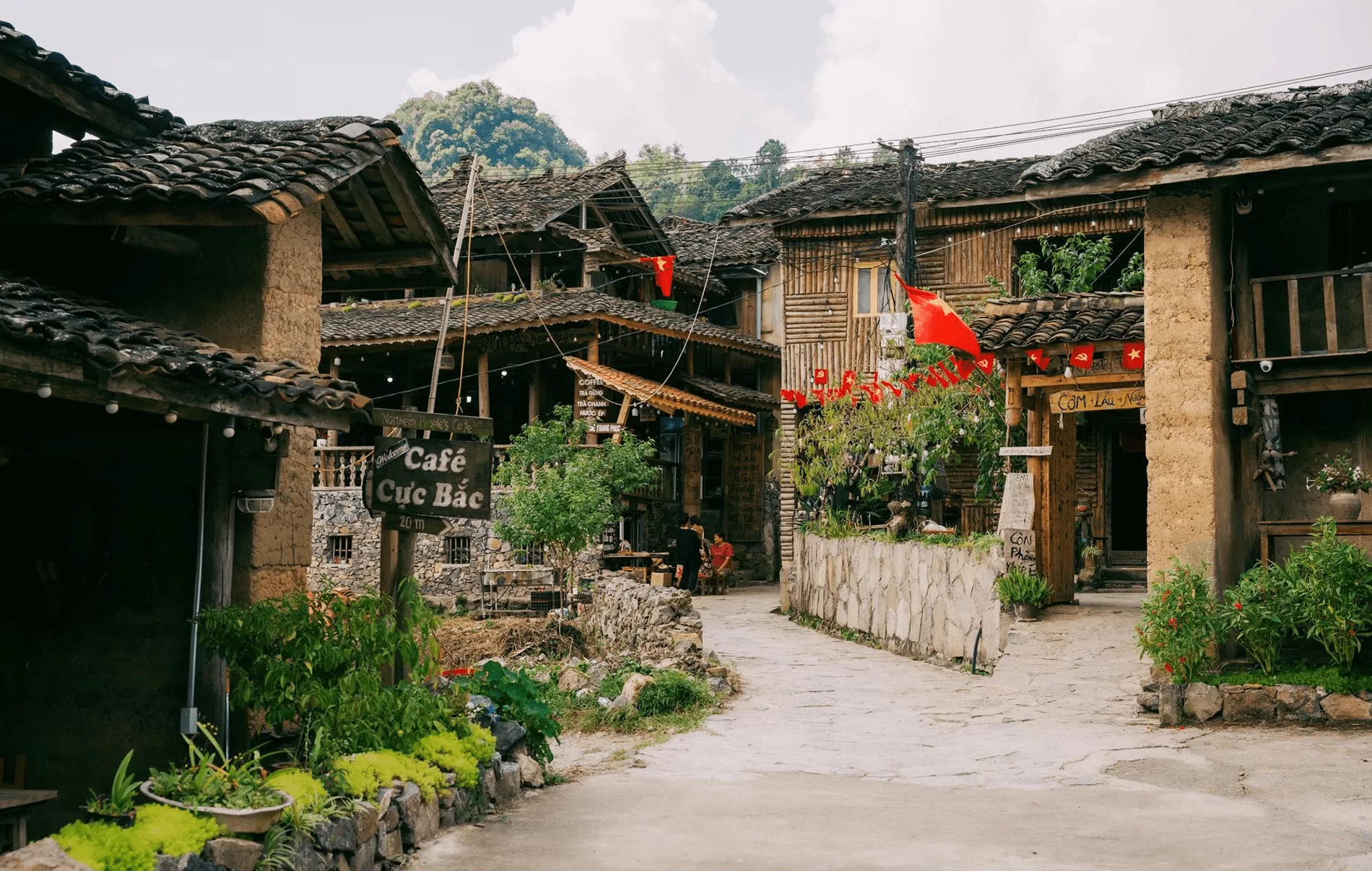
Have you ever arrived somewhere and felt like you’d accidentally stepped through a door in time? That’s Ha Giang. Not in a kitschy, museum-recreation kind of way. Instead, you will see a Hmong grandmother outside her stone house, weaving blue indigo cloth. She does it the exact same way her great-grandmother did. Not for tourists, but because it is her way of life.
Ha Giang villages are the soul of the province. This guide is for travelers who want more than a photo stop. It is for people who want to understand who lives here, what their lives look like, and how to visit them with respect.
TL;DR – Ha Giang Villages at a glance:
- Top Villages to visit: Nam Dam (Herbal bath), Lung Tam (Hemp weaving), Lo Lo Chai (Fairy-tale clay houses), Du Gia (Waterfalls), and Hoang Su Phi (Golden terraces).
- Rich Demographics: Home to 19 distinct ethnic groups, heavily populated by the H’mong, Tay, Dao, and Lo Lo.
- Cultural Etiquette: Always ask before photographing elders/children, remove your shoes before entering stilt houses, and strictly avoid handing out candy to local kids.
Top 6 recommended Ha Giang villages to visit
An overview of the must-visit villages in Ha Giang
| Village | Ethnic group | District | Highlights | Best for |
| Nam Dam(Nậm Đăm) | Dao | Quan Ba District | – Traditional herbal bath rituals- Family-run homestays- Nearby waterfall- Surrounding rice terraces | Overnight cultural immersion; wellness travelers |
| Lung Tam(Lũng Tám) | H’mong | Quan Ba District | – Living hemp weaving tradition – watch the full process from raw flax to finished cloth- Buy textiles directly from producers | Craft lovers; those wanting a quiet, focused stop |
| Lo Lo Chai(Lô Lô Chải) | Lo Lo | Dong Van District | – Ancient clay houses, stone fences, – Traditional music and local dishes like au tau porridge- Near Lung Cu Flagpole | Photographers; travelers wanting a border-area overnight |
| Ma Le(Mã Lé) | Giay | Dong Van District | – Traditional yellow clay houses over 100 years old- Fewer visitors than the main loop stops- On the Dong Van-Lung Cu road | Off-the-beaten-path seekers; authentic homestay experience |
| Du Gia(Du Già) | Tay | Yen Minh District | – Stilt houses in a lush valley- Limestone cliffs, rice paddies, waterfalls; – Trekking paths to surrounding communities;- Cultural evenings at homestays | Trekkers; those escaping loop crowds |
| Hoang Su Phi(Hoàng Su Phì) | Dao & La Chi | Hoang Su Phi District | – National Heritage-listed terraced rice fields- As beautiful as Sapa; – Peak season Sep-Oct when harvest turns terraces golden | Landscape and photography; longer itineraries |
Deep dives into the Ha Giang villages are worth a visit
Nam Dam Village
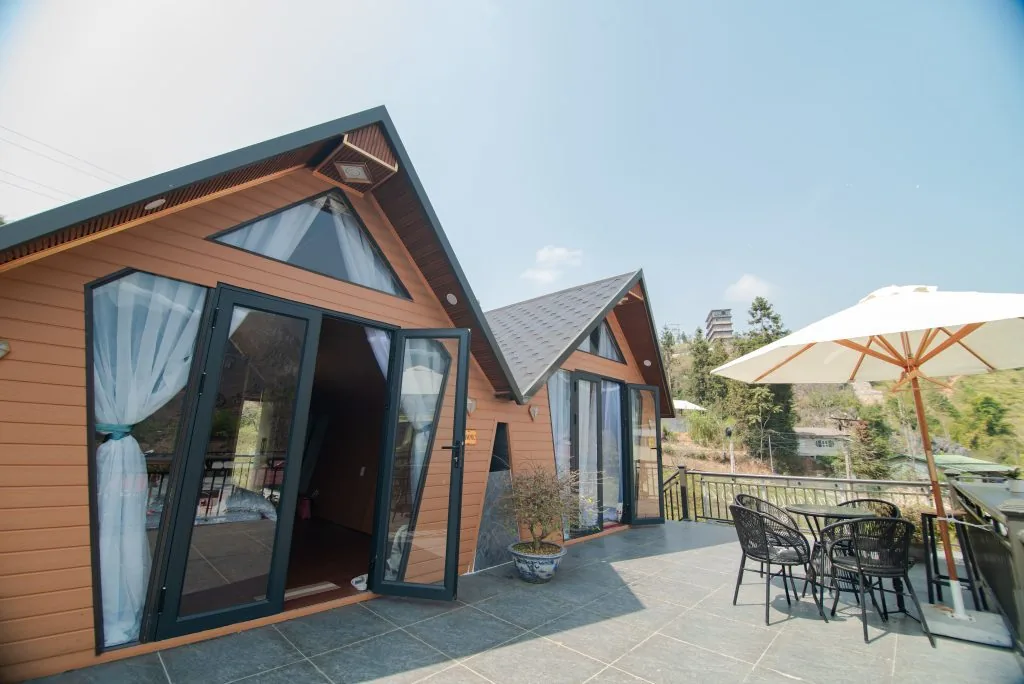
Tucked away in forested hills near the Quan Ba Heaven Gate Pass, Nam Dam is the kind of place that rewards travelers who slow down – and it’s one of the few villages in Ha Giang where the cultural experience comes with genuine comfort.
- Location: This is a predominantly Dao village located 45km to the north of Ha Giang City, in the green hills near the Quan Ba Heaven Gate Pass (Twin Mountains viewpoint)
- The Vibe: Peaceful and unhurried. Lush hills, terraced rice fields, and a quiet local waterfall make it feel more like a retreat than a stop on a tour route.
- Must-try Experience: Soak in a traditional Red Dao herbal bath at a family homestay – a centuries-old wellness ritual using dozens of hand-gathered medicinal plants.
Lung Tam Village
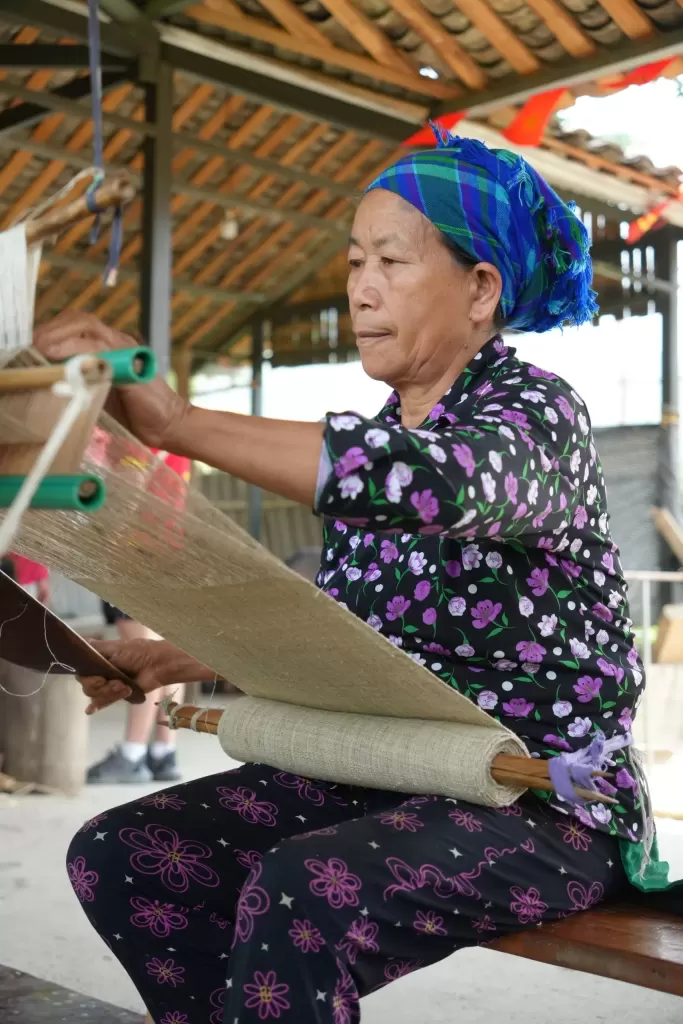
If you’ve ever wondered how a piece of hand-embroidered H’mong fabric actually comes to life, Lung Tam is where you’ll find the answer – straight from the source.
- Location: Quan Ba District, a short detour from the main Ha Giang Loop road
- The Vibe: Calm and artisanal. This is less of a sightseeing stop and more of a living workshop – women work the looms outdoors, and the pace of the village follows the rhythm of the craft.
- Must-try Experience: Watch the full hemp weaving process from raw flax to finished textile, then buy directly from the weavers – no middleman, no markup.
(Image: A local H’mong woman demonstrating the traditional hemp weaving process (Image captured during a Serenity Ha Giang tour)
Lo Lo Chai Village
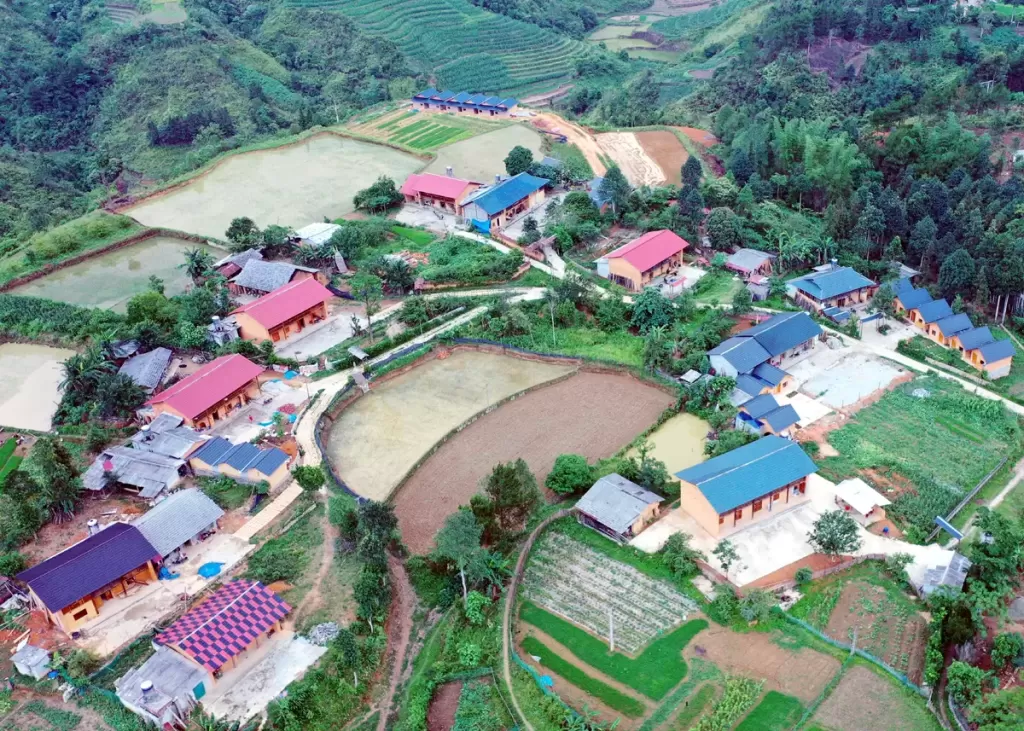
Although being one of the smallest ethnic groups in Vietnam, Lo Lo Chai Village is a “hot” location that would be on every Ha Giang visitor’s checklist.
- Location: Located about 1.5 km from the Lung Cu Flagpole near the Chinese border
- The Vibe: Visually striking! Known for ancient clay houses, stone fences, and colorful seasonal flowers that make it a photographer’s dream.
- Must-try Experience: Enjoy traditional percussion music and taste local dishes like Au Tau porridge at genuine Lo Lo homestays.
Ma Le Village
Ma Le doesn’t appear on most highlight reels, and that’s exactly the point. This quiet Giay village on the Dong Van-Lung Cu road offers something increasingly rare on the Ha Giang Loop: a genuine sense of discovery.
- Location: Dong Van District, along the road between Dong Van and Lung Cu
- The Vibe: Unhurried and atmospheric. The traditional yellow clay houses – some over a century old – give the village a warm, earthy character that photographs beautifully in the late afternoon light.
- Must-try Experience: Stay overnight at a local homestay and experience a community that moves entirely on its own terms, largely untouched by the tourist trail.
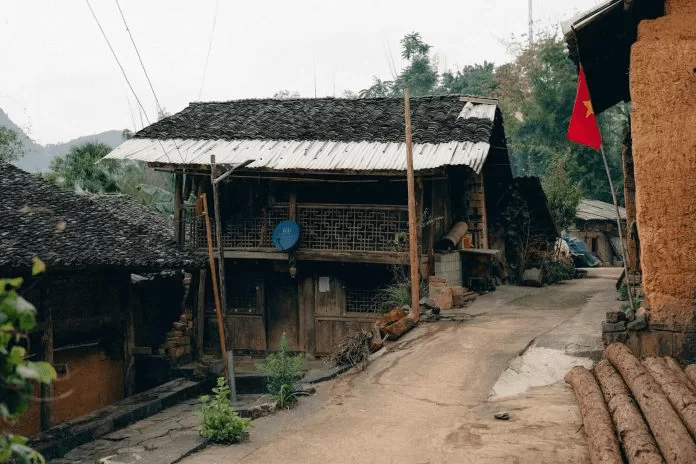
Du Gia Village
Sitting just off the main loop in a lush limestone valley, Du Gia is the Ha Giang that many travelers picture but struggle to find – green, quiet, and genuinely welcoming.
- Location: Yen Minh District, a short detour off the main Ha Giang Loop
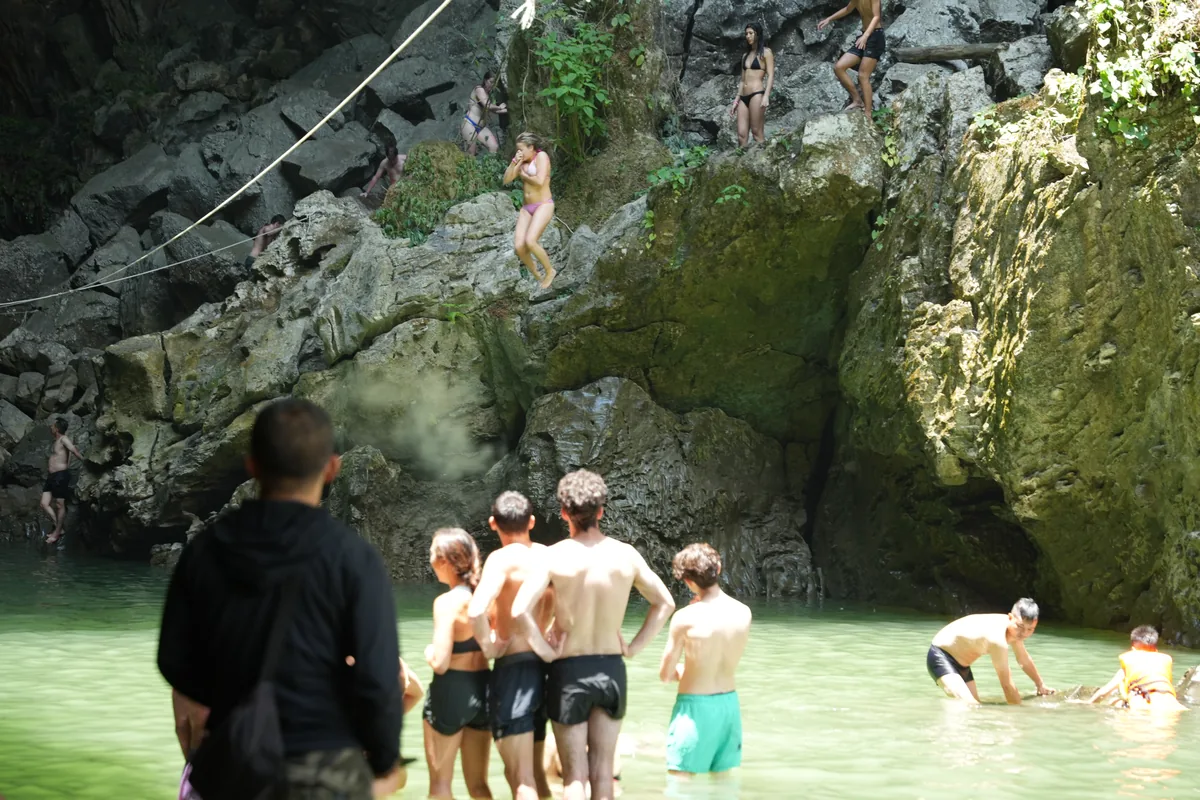
- The Vibe: Fresh and outdoorsy. Tay stilt houses nestle between rice paddies, waterfalls, and dramatic limestone cliffs – it’s the kind of scenery that makes you want to stay an extra day.
- Must-try Experience: Trek the connecting paths between surrounding villages, then wind down with a cultural evening at your homestay – local food, folk music, and good conversation.
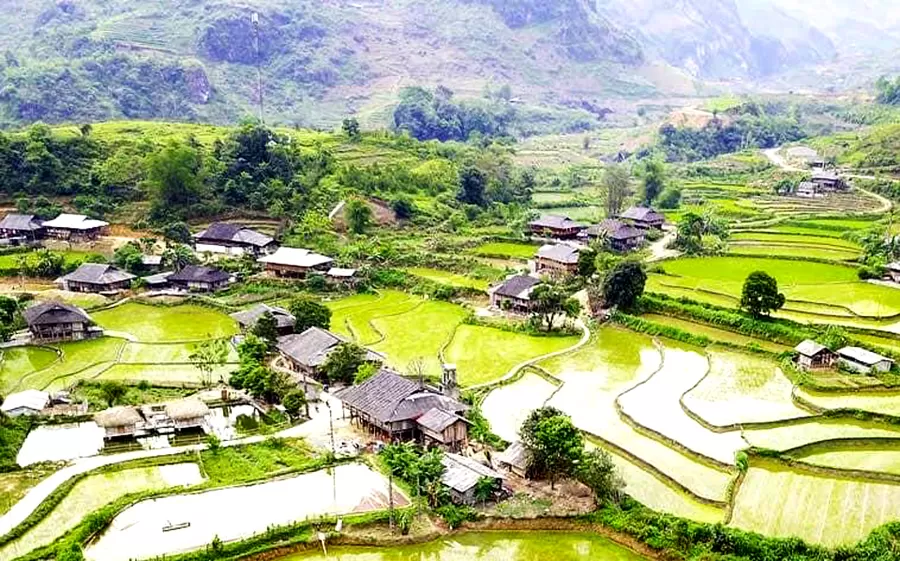
Hoang Su Phi District Villages
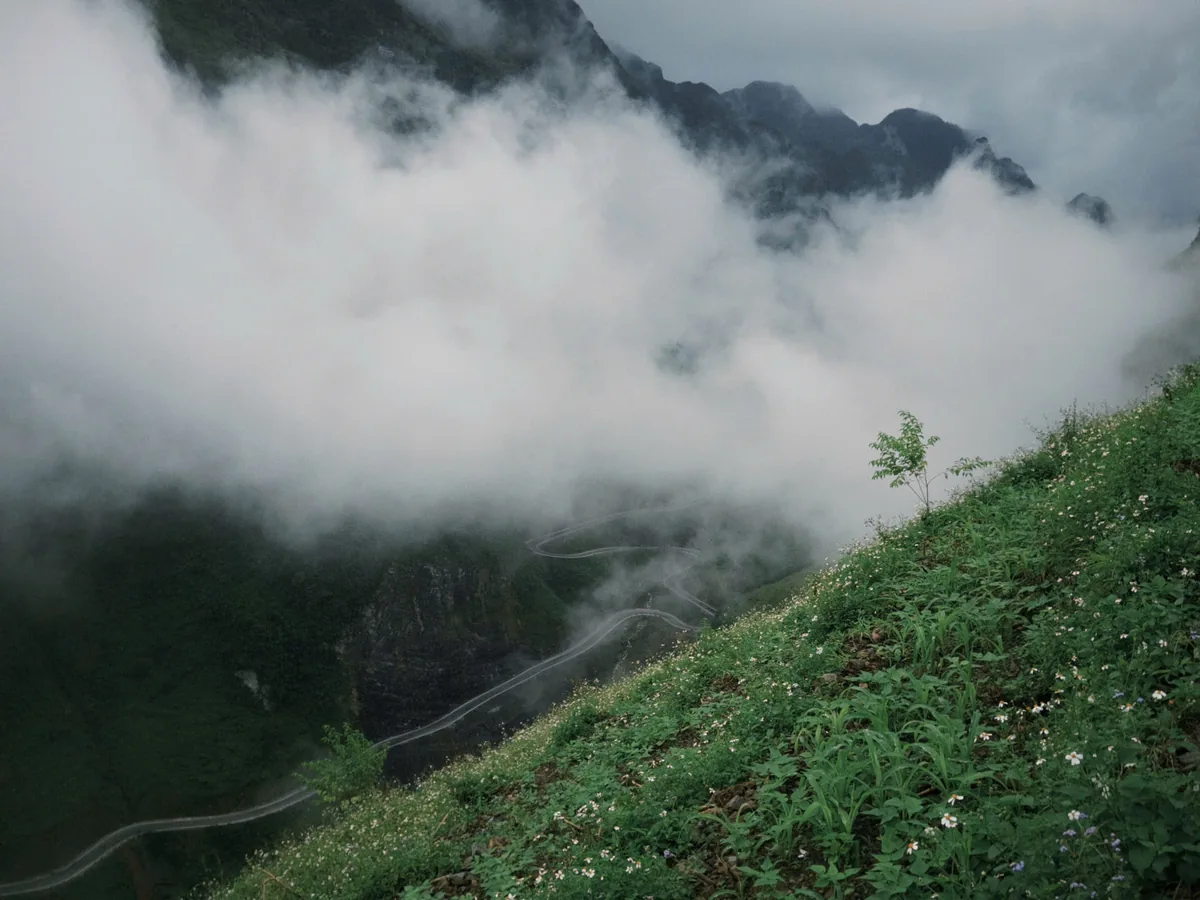
If you have 5-6 days, let’s visit Hoang Su Phi. It isn’t a single village – it’s an entire district that feels like Ha Giang’s best-kept secret, home to some of the most spectacular terraced rice landscapes in all of Southeast Asia.
- Location: Western Ha Giang, best reached as part of a 5-6 day extended itinerary
- The Vibe: Grand and golden. The terraces carved by the Dao and La Chi people across these hills are a designated National Heritage site – and in September and October, when the harvest ripens, the hillsides turn every shade of gold and amber.
- Must-try Experience: Hoang Su Phi is famous for the peaceful ethnic group villages such as Bản Phùng, Bản Luốc, Thông Nguyên and Hồ Thầu. They are just as beautiful as the ones in Sapa. The best time to visit is September-October, when the harvest turns the terraces golden.
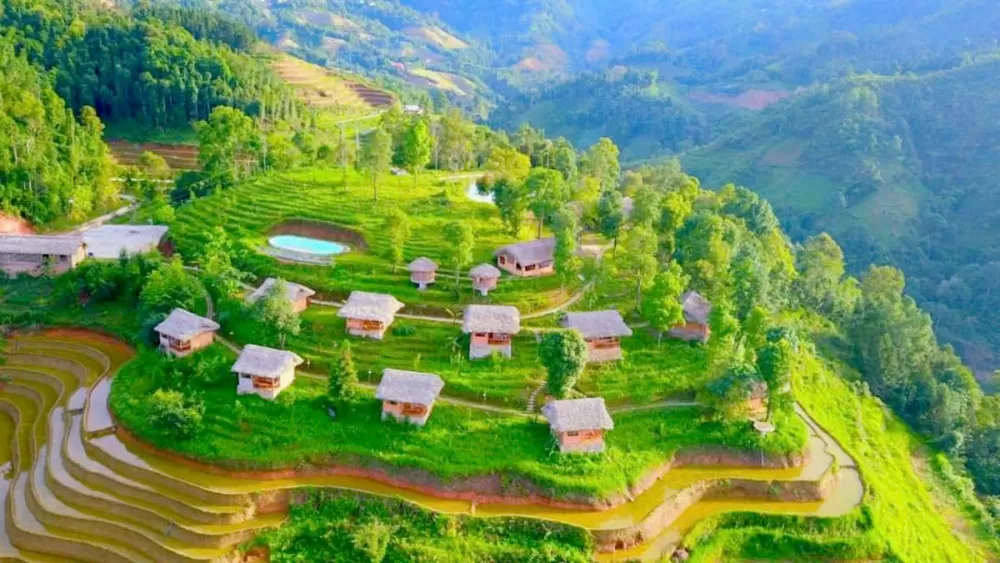
How many ethnic groups are there in Ha Giang?
Ha Giang (now a part of Tuyen Quang Province) is home to around 19 distinct ethnic minority groups, and they make up close to 90% of the province’s population. This shapes everything from the architecture you’ll see to the food on your plate and the languages you’ll hear at a Sunday market.
The largest groups include:
- H’mong: The biggest group in the region (~31%). They are famous for their colorful embroidered clothes, handmade hemp fabric, and silver jewelry. They live in the rocky mountain areas of Dong Van, Meo Vac, and Quan Ba.
- Tay: The 2nd population among the groups. They are known for their elegant stilt houses built near water sources. Their culture features rich folk music traditions, particularly “then” singing (hát then), and bamboo crafts.
- Dao (including Red Dao): Distinguished by their striking red headdresses and ornate embroidery. The Dao are also known for their traditional herbal medicine practices, including the famous herbal bath rituals of Nam Dam Village.
- Kinh (Vietnamese): This is the ethnic majority in Vietnam, they also live in Ha Giang in cultural villages.
- Lo Lo: A smaller group with one of the most visually distinctive cultures: intricate patchwork clothing, bronze drums, and clay houses near the Lung Cu Flagpole.
- Giay: settled rice farmers known for their colorful festivals and traditional yellow clay houses, particularly visible in Ma Le Village along the Dong Van-Lung Cu road.
Each group has its own language, its own spiritual practices, and its own way of building a home.
What are the highlight cultural experiences and traditions of Ha Giang?
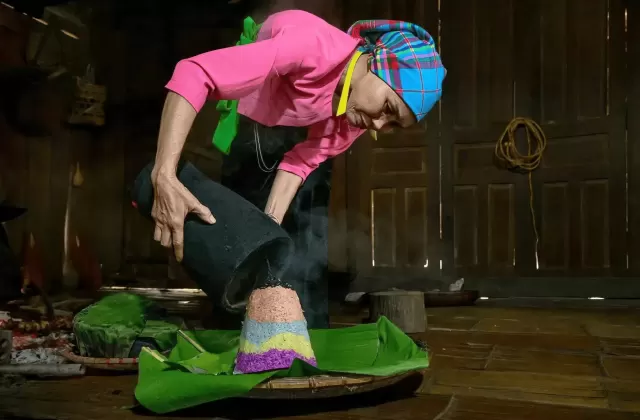
The most memorable experiences in Ha Giang villages aren’t scheduled activities. They happen naturally, like watching a H’mong woman weave cloth by the side of the road, exploring a local Sunday market, or sharing a home-cooked meal with a local family.
That said, there are a few specific cultural threads worth knowing before you go:
Hemp weaving and textile traditions
- What it is: The H’mong in Ha Giang maintain a full textile production cycle – growing flax, processing the fiber by hand, weaving on traditional looms, and dyeing with natural indigo. In Lung Tam Village (Quan Ba), this has been preserved as an active community craft practice.
- Experience: Watch the entire process unfold from raw plant to finished cloth. You can also purchase textiles directly from the weavers – one of the more quietly extraordinary things you can do in the region.
Traditional markets
- What it is: Weekly markets in Ha Giang are community gatherings, not craft fairs. Villages from a wide surrounding area converge – many in traditional dress – to trade goods, meet family, and socialize. The Sunday markets in Dong Van and Meo Vac are the most accessible; smaller ones in Lung Phin, Sa Phin, and Yen Minh tend to feel more local.
- Experience: Arrive between 6-8 AM for the most authentic atmosphere, before the tour groups show up. This is one of the best places to observe daily life across multiple ethnic groups in a single morning.
The khèn flute
- What it is: The khèn is a traditional H’mong bamboo pipe instrument, played at festivals, during courtship, and at Lunar New Year celebrations. It produces a layered, breathy sound unlike anything else in Vietnamese folk music.
- Experience: Hearing it performed in context – at a village festival or a family gathering, rather than as a staged show – is a genuinely moving moment. Ask your guide if any local events are happening during your visit.
Herbal bath rituals
- What it is: The Red Dao people of Nam Dam Village use a traditional herbal bath – a long soak in water infused with dozens of medicinal plants – as a healing and wellness practice passed down through generations.
- Experience: Many homestays in Nam Dam offer this to visitors. It’s worth doing for the relaxation alone, but it also opens up natural conversation with your hosts about Dao medicine and daily life.
Festivals and seasonal events
- What it is: The H’mong Gau Tao festival (typically February-March) features communal singing, bamboo pole celebrations, and courtship rituals. The Pa Then fire jumping festival is one of the region’s most striking ceremonial events. The weeks around Tet are the most festive – and also the most private.
- Experience: If your dates align, these are extraordinary to witness – but observe from a respectful distance and follow your guide’s lead on whether and how to engage. Do not photograph ceremonies without permission.
How to visit and respect local customs in Ha Giang?
Because these villages are real communities, your behavior matters. Visiting with respect ensures a great experience for both you and the locals.
- Ask before taking photos: This is very important when photographing children and the elderly. Just smile and point to your camera to ask for permission. Also, never touch a child’s head. In some local cultures, the head is sacred, and touching it is believed to bring bad luck.
- Stay on the paths: Do not walk into the rice fields to take photos. These fields take months of hard work to grow and are a family’s food supply.
- Take off your shoes: Always remove your shoes before entering a local home. Watch your host and do what they do.
- Accept food and drinks politely: Local hosts often offer guests food or homemade corn wine (rượu ngô). You do not need to drink a lot, but taking a small sip shows that you respect their hospitality.
- Do not give candy or money to children: This encourages children to beg or skip school to wait for tourists. If you want to help, buy handmade items directly from adult artisans or donate to a trusted local charity.
- Hire a local guide: A guide from the area who speaks the local ethnic languages can introduce you to families, explain the culture, and show you the best places safely.
Ready to experience Ha Giang villages yourself?
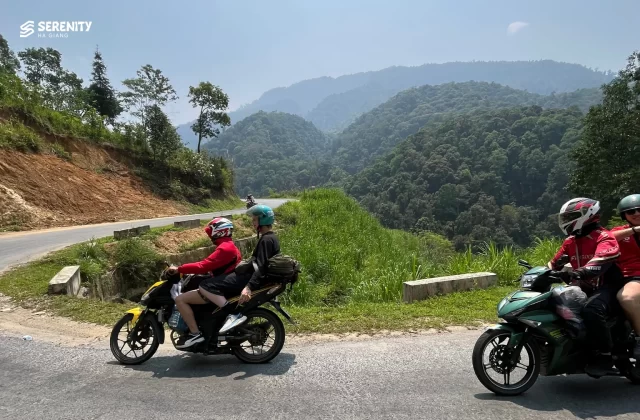
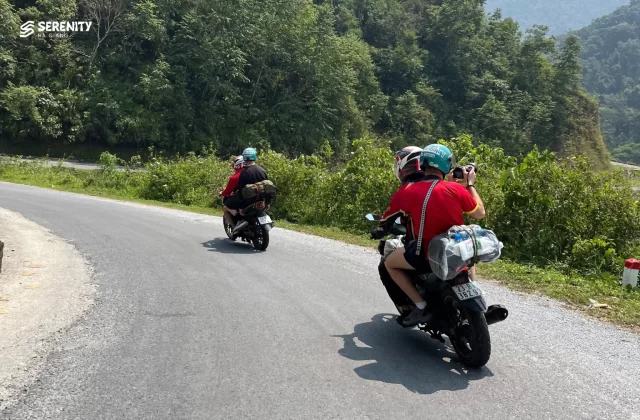
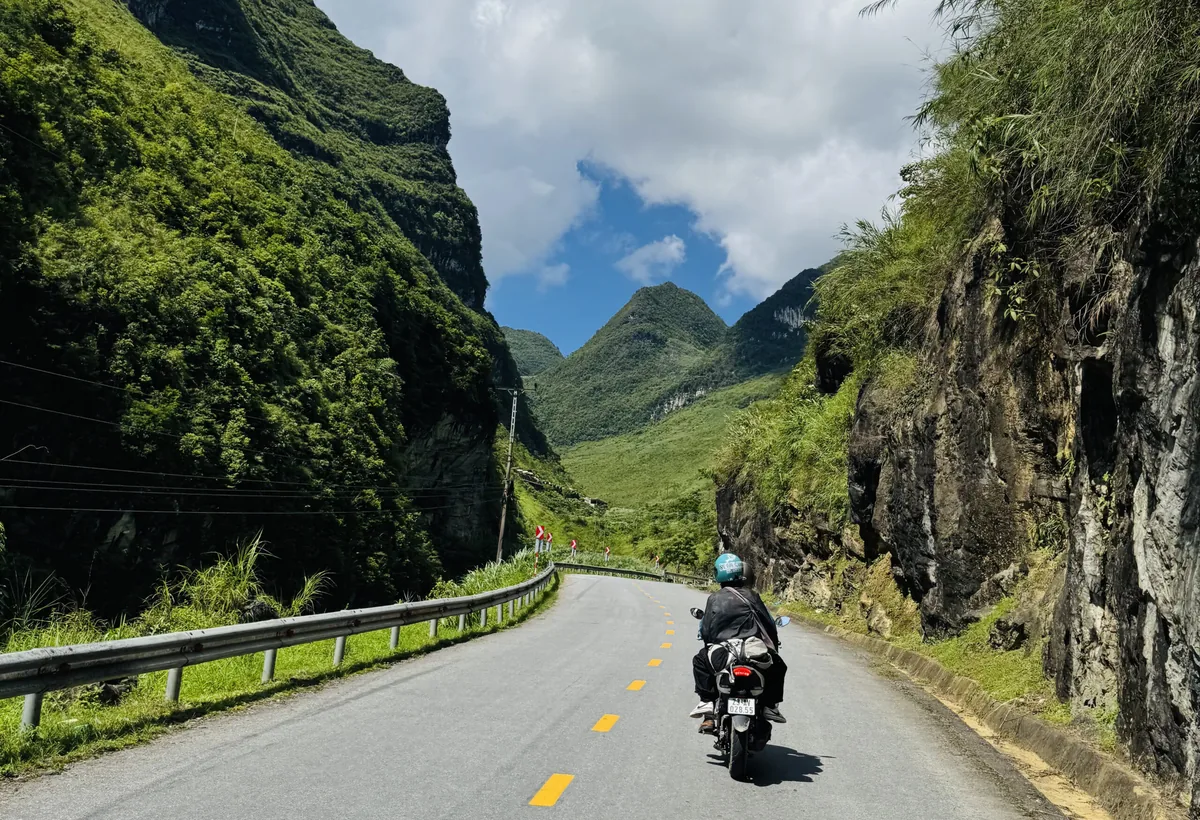
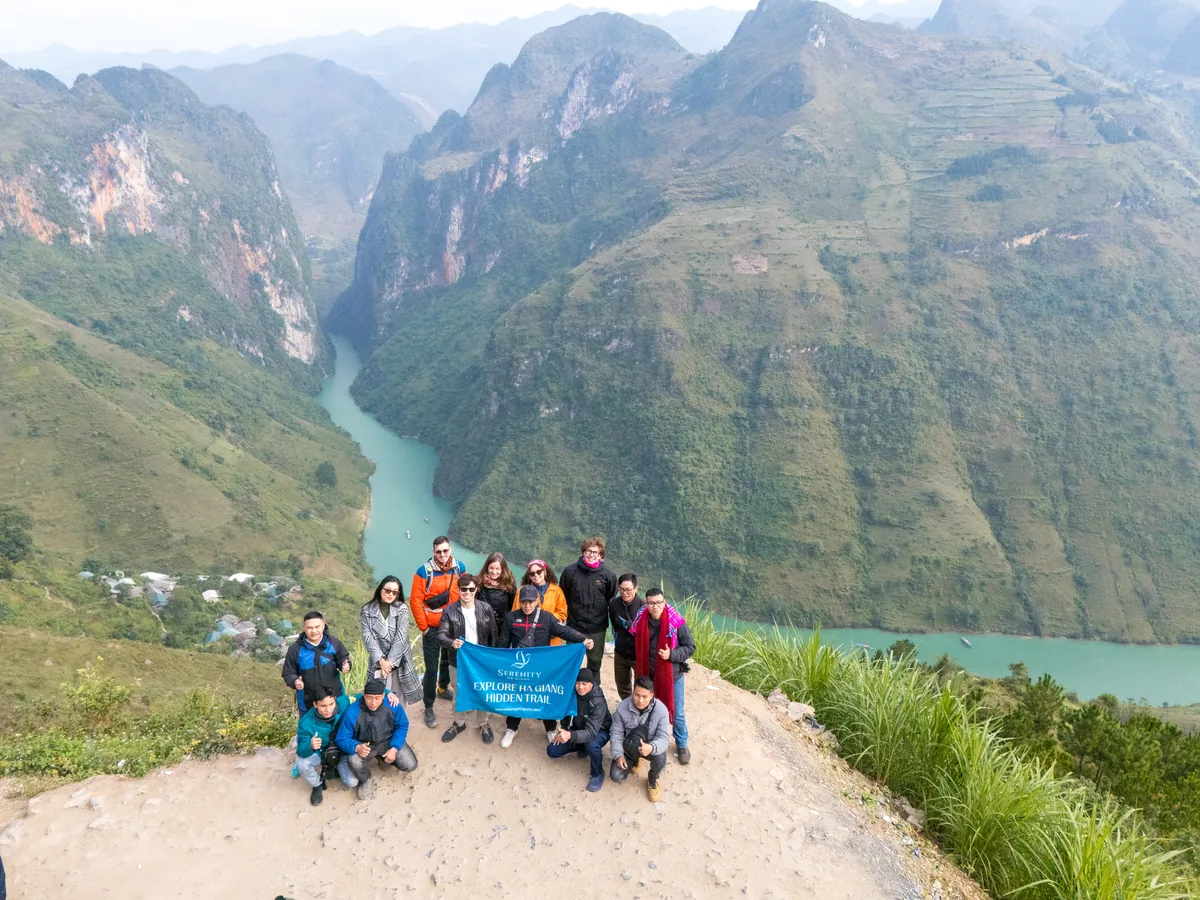
Then you should pack up and go for a Ha Giang Loop tour – the most chosen method to explore Ha Giang culture & nature by most of the travellers!
The Serenity Ha Giang Loop tours are built around genuine cultural immersion – with local guides who have real community relationships, carefully selected homestays, and itineraries designed to let you slow down enough to actually see this place. Immerse yourself in both the beauty on the road and each stop, including the Ha Giang Villages! Explore our Ha Giang Loop tours and plan a trip worth remembering.