

Ha Giang Loop Accidents – Safety Tips & Prevention
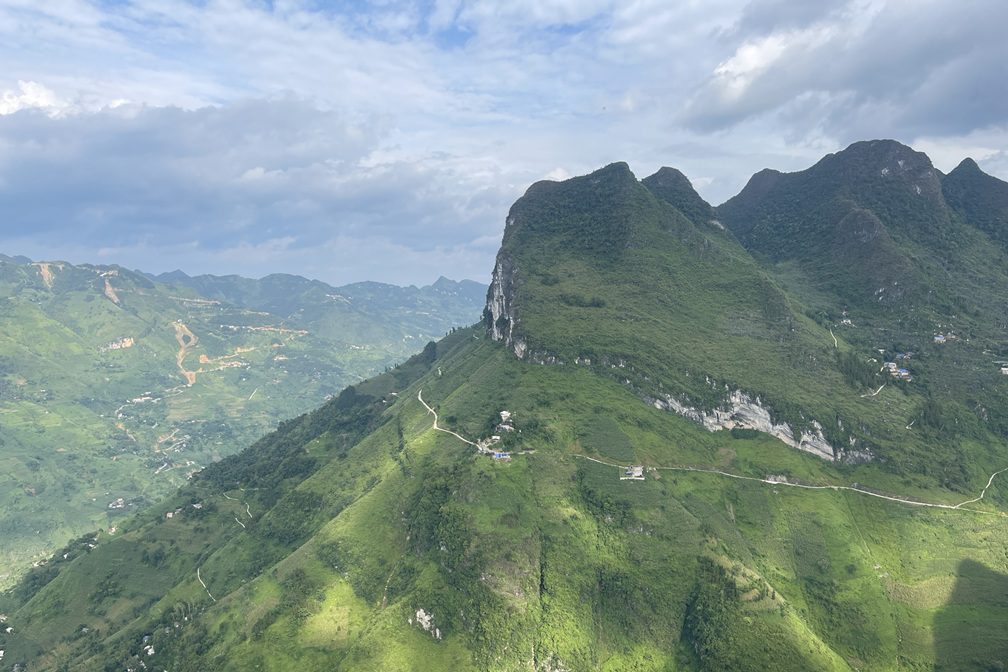
Accidents on the Ha Giang Loop happen – sound scary, but most of them are preventable. Asia’s Leading Emerging Destination by World Travel Awards – Ha Giang – has one of the most breathtaking motorcycle routes in Southeast Asia.
Narrow cliff-side roads, blind curves above steep drops, unpredictable weather, and the occasional unmarked pothole – clearly, the loop is not for those who are unprepared. Because all that creates real risks for riders of every experience level.
The good news: thousands of travelers complete the loop every year without incident. Understanding why accidents happen, and what you can do to avoid them, puts you firmly in that majority – after 7 minutes reading this article!
Key Takeaways about the Ha Giang Loop accident
- Most Ha Giang Loop accidents involve inexperienced self-riders, night riding, or alcohol – not random bad luck!
- The Ma Pi Leng Pass and descent sections near Meo Vac are the highest-risk stretches on the route.
- Dry season (November-April) dramatically reduces road risk compared to the rainy season (June-August).
- Travel insurance with motorbike coverage and medical evacuation is essential, not optional.
- Booking an experienced easy rider guide – rather than self-driving – is the single most effective safety decision you can make.
- Emergency contacts in Ha Giang Province include the national ambulance line (115) and Ha Giang Provincial General Hospital (+84 219 3866 609).
Common causes of accidents
Quick Overview: Top Hazards & How to Avoid Them
| Cause of Accident | Why it’s dangerous | How to prevent it |
| Inexperience | The roads contain many steep curves, cliff drops, no guardrails, and many blind hairpin turns. | Travel with Easy Rider – they ride for you, while you ride pillion. The Easy Riders have many years of experience handling the Ha Giang Loop. |
| Overly confident riders | Underestimates the danger of mountainous roads and rides at a fast speed, which leads to loss of control. | Be honest with your skills & ride carefully at a controllable speed. |
| Wet / Muddy Roads | The roads can become extra slippery after rain. | Riding slowly, or avoid raining season. |
| Alcohol Consumption | Even one drink meaningfully slows reaction time on mountain roads, where you often have less than a second to respond to an oncoming truck. | Drink for fun, but don’t go too far! If you feel unwell after the party night, don’t ride the bike. |
| Night Riding | Hard to see traffic signals, and roads might be covered by fog, which leads to blocked views. | Ride in daylight, it is thrilling enough, and you can witness all the scenery at its most beautiful state. |
Many reasons can lead to a Ha Giang Loop accident, including:
Inexperience with mountain terrain
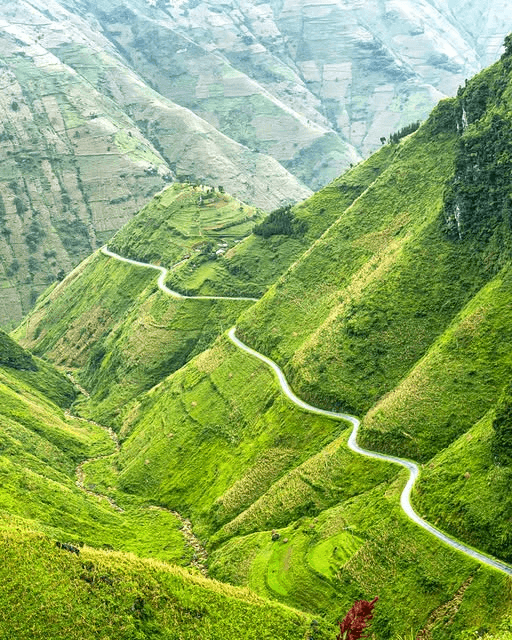
The Ha Giang Loop is not a casual ride. Sections near Meo Vac and the Ma Pi Leng Pass feature sheer cliff drops, no guardrails, and blind hairpin turns. Riders who regularly handle city streets or flat coastal roads are often unprepared for the technique required on steep descents. The most common Ha Giang Loop accident scenario involves loss of control on a downhill corner – specifically, over-relying on the front brake instead of using engine braking to control speed.
Beginner riders are estimated to face accidents more than participants on guided tours, largely because they lack the judgment to read the road before committing to a corner.
Overly confident riders
Don’t underestimate the mountainous road, especially in rural Vietnam. As said, the Ha Giang Loop is not a casual ride. There are accidents recorded due to the overtaking of riders, going at very high speeds. Even though they are the professional Easy riders who have gone through the loop multiple times, no one can guarantee safety when riding carelessly on a highly dangerous road.
Poor road conditions after rain
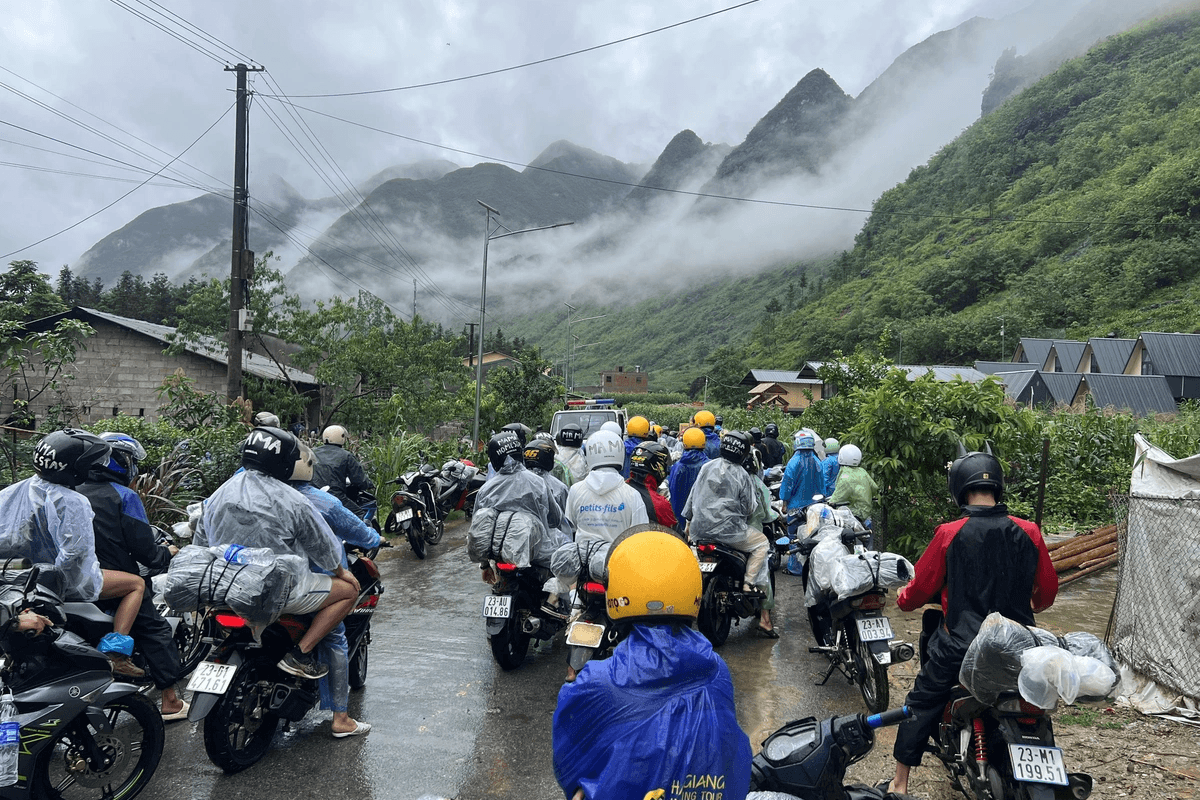
After rain, mud and loose rock can cover the road surface. Some sections near Meo Vac and Du Gia have no guardrails on cliff-side stretches. During the rainy season (June-August), landslides can close entire sections without warning. Even a brief afternoon storm can turn a paved descent into a slick, unpredictable surface within minutes.
Alcohol
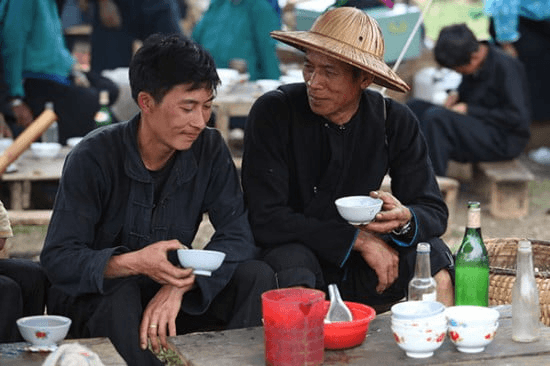
Local guesthouses along the route often serve “happy water” (rice wine). You can enjoy the party and have fun with beverages, just make sure you control yourself. Operating a motorbike under the influence of alcohol can lead not only to accidents but to serious legal ramifications, especially in a foreign country.
Mechanical failure
Rental bikes in Ha Giang vary in quality. A bike with worn brake pads, a loose chain, or underinflated tires becomes a serious liability on descents. Many riders skip the pre-ride inspection, assuming the rental shop has already done it. However, it would be better if you could check yourself first. With common knowledge to prevent bad cases.
At Serenity Ha Giang, every motorbike undergoes a rigorous quality inspection before being handed over to our Easy Riders. Additionally, our entire fleet is maintained on a strict regular schedule to ensure peak performance.
Night riding
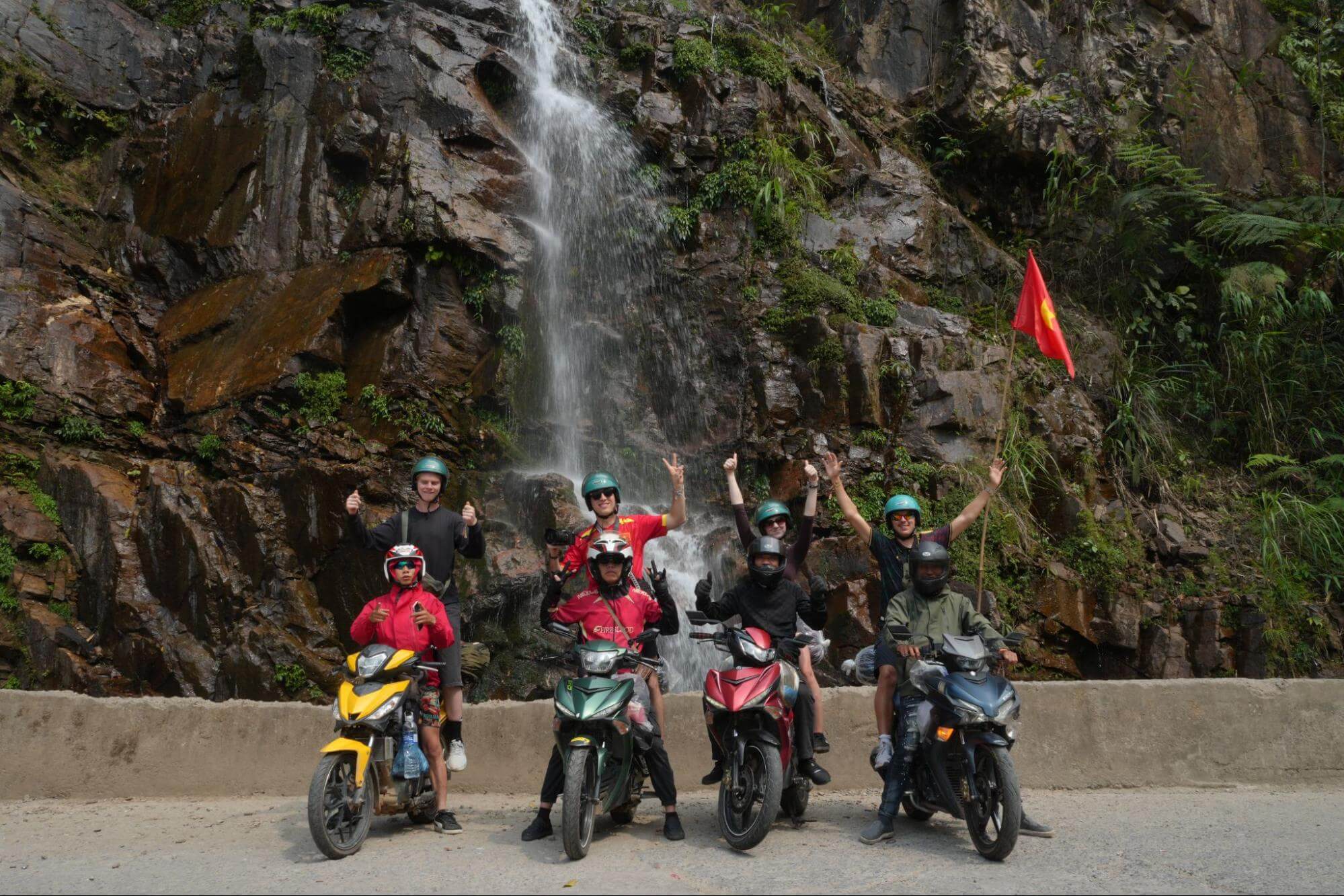
While not as common as day tours, many people still enjoy exploring the Ha Giang loop at night. However, this is highly discouraged due to extreme safety risks, including unlit hairpin turns, a lack of traffic signals, steep cliffs, and sudden fog. Darkness eliminates your ability to read the road ahead. Locals know every blind curve and pothole – visiting riders do not.
How to stay safe while riding
More than 1 million tourists visit Ha Giang every year, and go home with a memorable experience, without any fear of risk. Some tips for a safe trip are:
Inspect your bike every morning
Before setting off each day, check the brakes (front and rear), tire pressure, chain tension, lights, and fuel level. If anything feels off, don’t ride until it’s fixed. Ask your guesthouse or a local mechanic for help. Most are happy to assist. If you travel with Serenity Ha Giang, the staff will take care of the inspection for you.
Wear proper gear
A full-face helmet is non-negotiable. A full-face helmet provides better protection against impacts, and padded jackets and riding gloves can protect critical areas and maintain grip on handlebars. Long sleeves and pants protect against road rash. Elbow and knee pads are available for rent from most Ha Giang tour operators and add meaningful impact protection. If you go on a full tour with Serenity Ha Giang, all safety equipment is prepared for you in advance, so you just need to go for the loop.
Ride only in daylight
Plan each day’s route to finish well before sunset. The roads are challenging enough in full daylight. Riding after dark just makes those risks multiply. Build buffer time into your schedule so you’re never racing the sun.
Manage your speed on descents
If you ride yourself through the loop, then on the way down, use engine braking (downshift to a lower gear) rather than relying solely on your front brake. Riders who squeeze the front brake hard on a loose or wet surface often lose control immediately. Slow is smooth on Ha Giang’s descents – there’s no prize for being fast.
Ask locals about conditions ahead
Each morning before you ride, ask your guesthouse host or local riders about the road conditions on your planned route. They’ll know about any fresh landslides, flooded sections, or construction that hasn’t made it onto any map yet.
Consider booking an easy rider guide
Experienced easy rider guides are familiar with every bend, obstacle, and weather pattern on the loop. They anticipate trucks and tricky spots well before riders can see them, and safely navigate mud that would be nearly impossible for visiting riders to handle alone.
Not sure whether to self-drive or go with a guide? Serenity Ha Giang offers easy rider tours led by local professional drivers who have ridden these roads for years and always follow the safety rules strictly. Our guides know every dangerous corner before you reach it – so you can focus on the view.
Emergency contacts and procedures
If an accident occurs on the Ha Giang Loop, the remoteness of the region means response times are longer than in cities. Having this information saved before you ride is critical.
Key emergency contacts in Ha Giang Province:
- National ambulance (Vietnam): 115
- National police: 113
- Ha Giang Provincial General Hospital: +84 219 3866 609 – located in Ha Giang City
- Ha Giang Provincial Police: +84 219 3866 263
What to do immediately after an accident:
- Step 1: Move yourself and your bike off the road if you can do so safely.
- Step 2: Call 115 for the ambulance. Speak clearly and, if possible, share your GPS coordinates (your phone’s map app can show these).
- Step 3: Contact your travel insurance provider’s 24-hour emergency line.
- Step 4: Notify your tour operator or guesthouse so they can send local support.
- Step 5: Take photos of the scene, your injuries, and any other vehicles involved for insurance purposes.
- Step 6: Do not move anyone with a potential spinal injury until medical help arrives.
Insurance and medical support
Travel insurance is essential
Standard travel insurance policies often exclude motorbike riding, especially without a valid international motorcycle license. Before you go, confirm that your policy explicitly covers:
- Motorbike riding in Vietnam
- Medical evacuation (critical, given the remote terrain)
- Emergency hospitalization abroad
- Repatriation in severe cases
Policies from providers like World Nomads, SafetyWing, and IMG Global explicitly cover adventure motorbike travel when declared upfront.
Bring a basic first aid kit
A brief checklist of the necessary items for you to pack:
- Antiseptic wipes
- Wound closure strips
- Gauze
- Medical tape
- Buprofen
- An elastic bandage
- Any personal prescription medications.
Pharmacies are scarce once you leave Ha Giang City. And, it is always better to have things prepared beforehand.
Ready to ride Ha Giang the smart way?
Serenity Ha Giang connects travelers with experienced local easy rider guides who know the loop inside and out – every dangerous corner, every seasonal condition, every shortcut to the best views.
At Serenity Ha Giang, we put your safety FIRST, always:
- All easy riders and guides are professionally trained with many years of hands-on experience.
- All easy riders have to follow strict safety rules – no alcohol, controlled speeds, and proper protective gear like helmets and raincoats.
- Full face helmets are provided for all customers.
- Before each trip, we check the weather and road conditions and will adjust the route if there are risks like landslides or heavy rain.
- Basic first aid supplies are also available on every ride for added peace of mind.
Whether you want a fully guided tour or need advice on planning your self-ride safely, we’re here to help. So, let’s pack up and explore the Ha Giang Loop with us, no risk!
Plan your Ha Giang Loop trip with Serenity Ha Giang →
FAQs
Q: Do I need a Vietnamese motorcycle license to ride the Ha Giang Loop legally?
Q: Can I rent an automatic scooter instead of a manual/semi-automatic bike for the Ha Giang Loop?
– The Descent Risk: Automatic transmissions don’t allow for effective engine braking. This forces you to rely entirely on your hand brakes during steep, miles-long descents, which can lead to brake failure due to overheating.
– The 50cc Limitation: While 50cc semi-automatics technically don’t require a license, they are critically underpowered for the steep inclines. Furthermore, their small engines provide negligible engine braking on the way down, making them just as risky as a scooter.
For a safe and capable ride, a semi-automatic or manual bike is the standard requirement. A semi-automatic or manual bike gives you far more control where it counts most.