

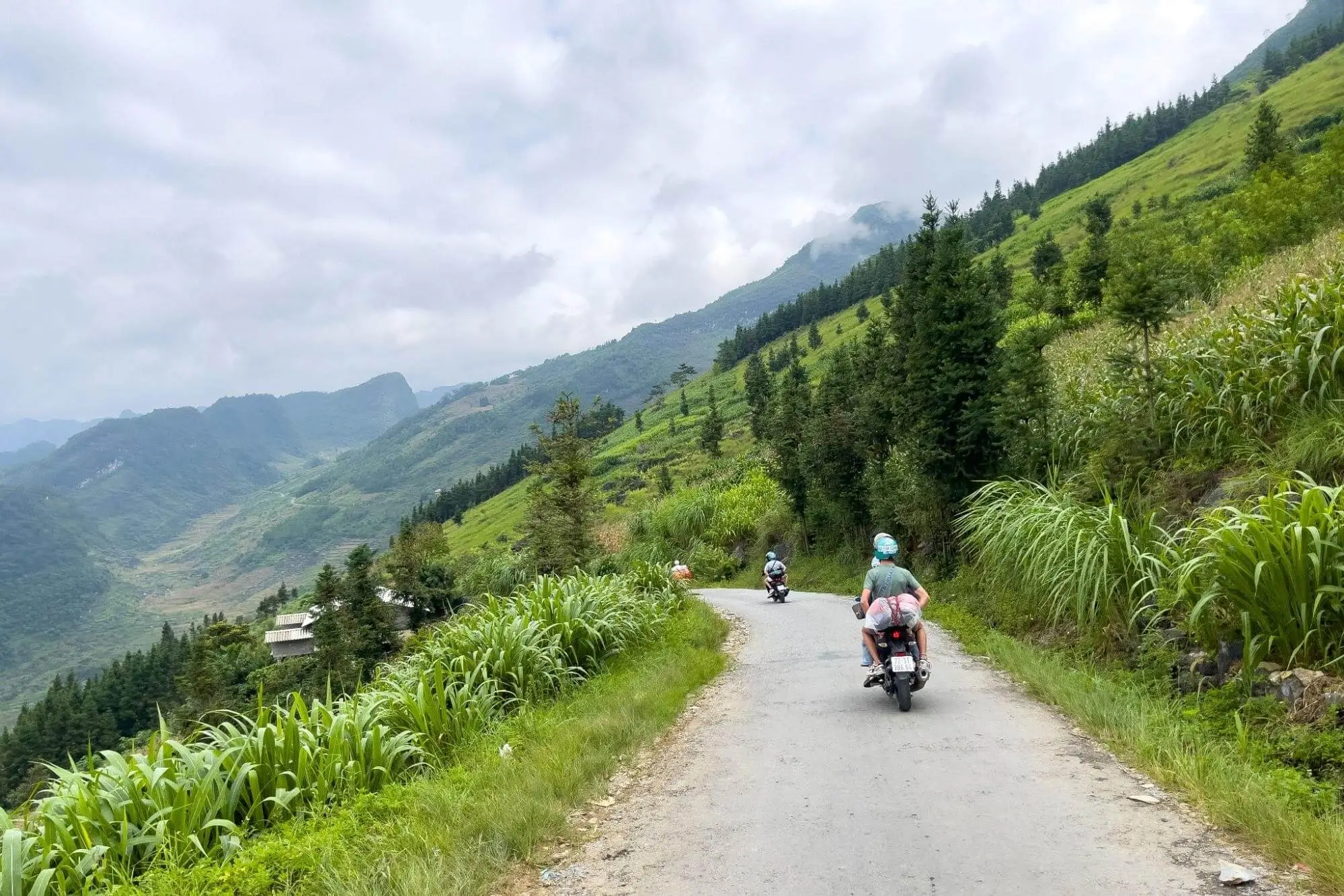
What to Pack for the Ha Giang Loop for a complete trip?
Wondering what you should pack for the upcoming thrilling Ha Giang Loop? You’re in the right place! With the experience of offering the best trip for our 500+ travellers from 20 different countries, Serenity Ha Giang has established this comprehensive checklist of what to pack for the Ha Giang Loop for you to prepare. So let’s explore quickly in our 5-minute articles!
TL;DR – What to Pack for the Ha Giang Loop?
- Pack light – your bag straps to the back of a motorbike, and oversized bags reduce riding space and comfort.
- Layering is non-negotiable: Ha Giang weather can shift from hot sun to cold rain within hours, on the same day.
- Carry at least 500,000 -1,000,000 VND in cash; ATMs are scarce along the remote sections of the loop.
- A VIETTEL SIM card is the only mobile carrier with a reliable signal in the mountains.
- Leave your main suitcase at your tour base or hostel in Ha Giang City – storage is free with most operators.
- Travel insurance & International Driving Permit (if self-riding) – small but really important.
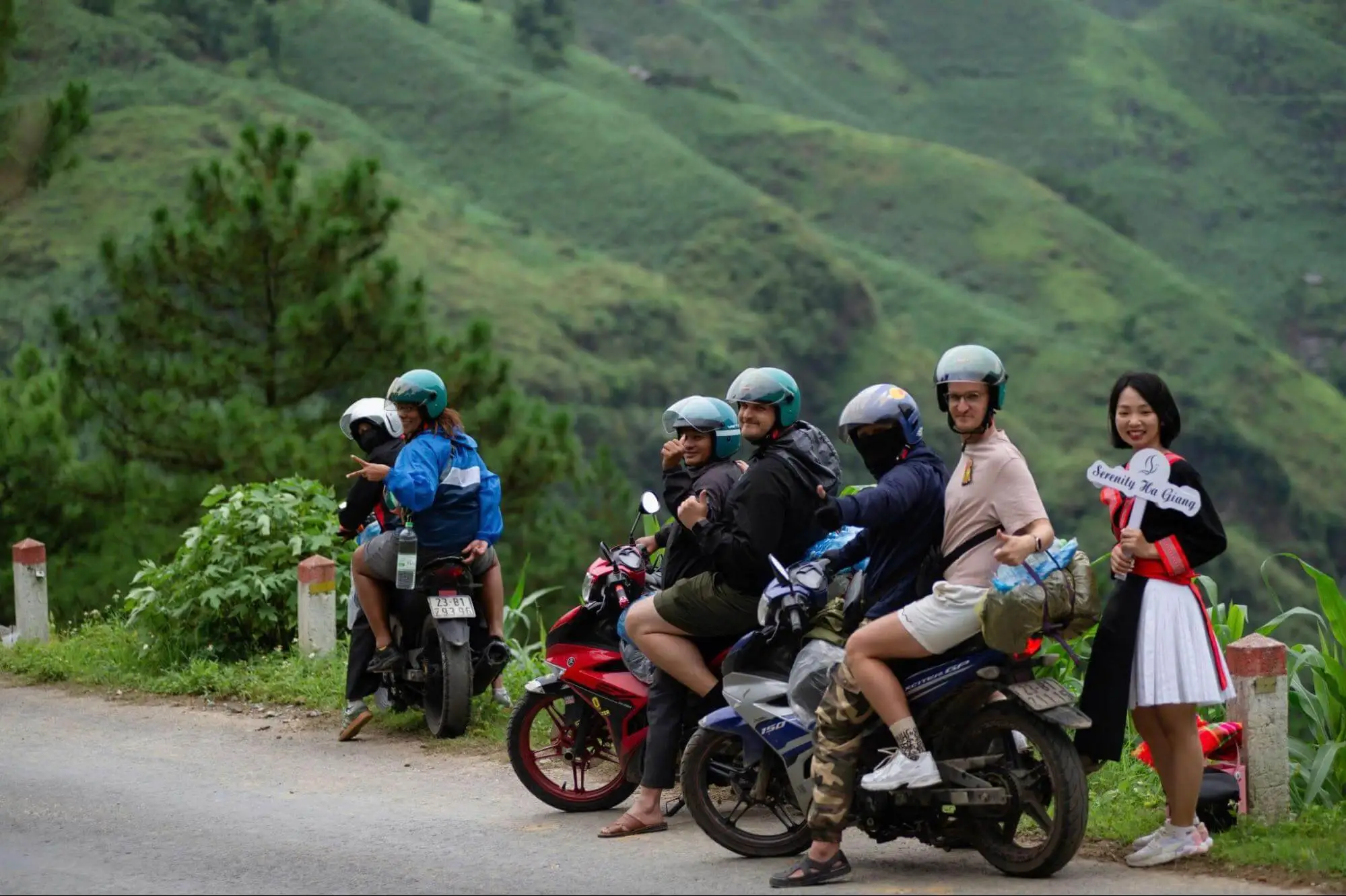
Category #1: What to WEAR on the Ha Giang Loop?
What you wear on the Ha Giang Loop directly affects your safety and comfort on the bike.
Below is your clothing checklist – best suited for a pleasant 4D3N trip:
For all time:
| What? | Why? |
| 2–3 quick-dry long-sleeve tops | Lightweight and breathable for warm days; they dry fast in homestays. |
| 1–2 pairs of lightweight long pants | Athletic, hiking pants, or leggings work best – avoid heavy materials like denim. |
| 1 fleece or windproof jacket | Essential for late-afternoon riding when temperatures drop sharply in the mountains |
| Gloves | Wind chill at 40 km/h on an exposed mountain road numbs your hands fast. Waterproof gloves are worth the extra weight in the rainy season (May–September). |
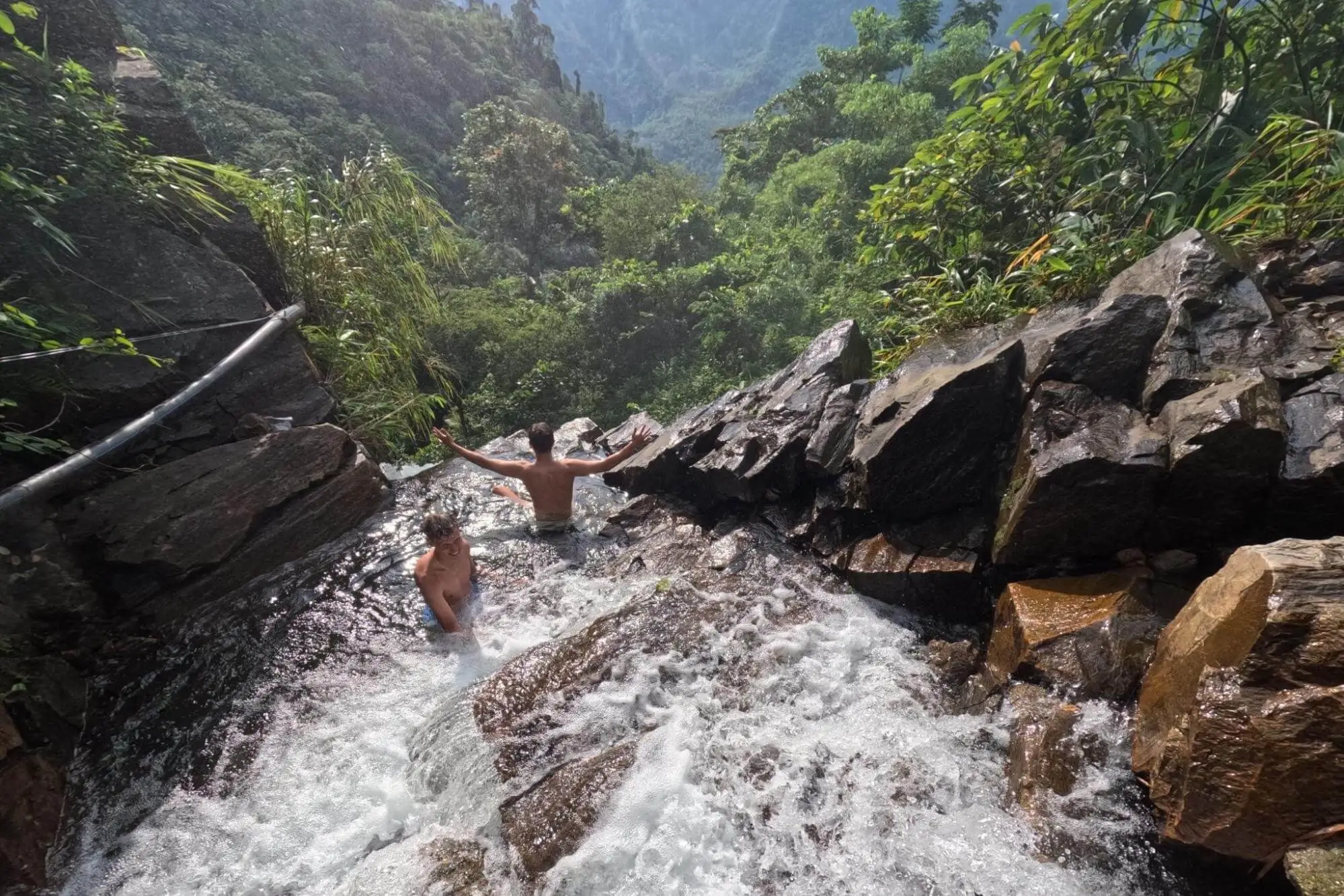
| Swimwear (optional) | Du Gia Waterfall and a few other stops allow swimming; bring a swimsuit if taking the plunge is on your wishlist. |
For winter (October-March):
| What? | Why? |
| 1 lightweight puffer or thermal layer | Temperatures near Mã Pí Lèng Pass can fall close to 0°C overnight in December and January. |
| Closed-toe shoes | Sturdy sneakers or hiking boots protect your feet on rough terrain and during short hikes to viewpoints. |
| Rain poncho or rain jacket | Most tour operators (including Serenity Ha Giang) provide plastic ponchos, but a compact packable rain jacket doubles as a wind layer and packs smaller. |
💡Tips:
- Long sleeves and long pants every single day, regardless of the season. Local drivers and guides all wear full coverage – it protects against sunburn, wind, road dust, and minor abrasions if you need to brake suddenly.
- Choose pants and jackets with zippered pockets!
Category #2: What to bring to Ha Giang for SAFETY?
The Ha Giang Loop’s roads are challenging. It has steep switchbacks, loose gravel, and sudden fog, especially on the route from Dong Van to Meo Vac.
When considering what to bring on a mountain ride, safety gear is not optional.
| What? | Why? |
| Helmet | Reputable tour operators (such as Serenity Ha Giang) provide full-face or open-face helmets certified to Vietnamese safety standards. Always remember to confirm the condition of the helmet before you leave Ha Giang City. |
| Sunglasses or goggles | Protect your eyes, since road dust and wind at high speeds are not comfortable. Bring some wrap-around frames or motorcycle goggles – they give you the most protection. |
| Sunscreen (SPF 50+) | During peak summer, specifically in high-altitude and exposed areas like Ma Pi Leng Pass, UV exposure is intense, even on overcast days. Apply before every morning departure. |
| Travel insurance | This is the single most important item on this list – and it’s not in your bag. Before the trip, confirm your policy covers motorcycle riding specifically. Many standard travel insurance policies exclude motorbikes. Providers like Cover-More offer add-on motorbike coverage. |
Category #3: What ELECTRONICS to Bring on the Ha Giang Loop?
Signal is unreliable for most of the loop. Download your maps offline before you leave Ha Giang City.
If you are unsure what to bring to stay connected, here is the tech checklist:
| What? | Why? |
| Smartphone with offline maps. | Google Maps and Maps.me both support offline download for Ha Giang Province. |
| Power bank (10,000–20,000 mAh) | Full days on the road drain phone batteries quickly, especially if you’re recording video. The Anker PowerCore 10000 is a reliable compact option. |
| Viettel SIM card | This is the only carrier with consistent 4G coverage in the mountains. Buy one in Ha Giang City before departure for approximately 100,000–150,000 VND. |
| Camera or GoPro (optional) | The viewpoints at Mã Pí Lèng Pass, Lũng Cú Flag Tower, and Quan Bạ Heaven Gate justify the extra weight. Mount your action on a mirrorless/DSLR camera on your helmet or handlebars. |
| Universal charging cables and adapters | Homestays have power outlets, but socket types vary. |
Category #4: What should be in your FIRST AID kit for the Ha Giang Loop?
You are going to participate in a highly adventurous trip. Although Ha Giang’s remote sections sit hours from the nearest hospital, a compact first aid kit handles the minor incidents that are most likely to happen.
Your kit should include:
- Bandages and adhesive plasters (for road rash or blisters)
- Antiseptic wipes/creams and wound dressing
- Pain reliever (ibuprofen or paracetamol)
- Motion sickness tablets – the loop’s winding mountain roads are intense for passengers
- Personal prescription medications (carry at least a 5-day buffer supply)
- Insect repellent (especially from April to October)
- Hand sanitizer and a small pack of wet wipes
- Allergy medication, if relevant
💡Tips: Pack the entire kit in a waterproof zip-lock bag or waterproof pouch. Bags on motorbikes get wet.
Category #5: What DOCUMENTS and CASH do you need for the Ha Giang Loop?
Police checkpoints are routine on the Ha Giang Loop; they typically appear at a few predictable spots. And rental agencies require proper documentation before handing over a motorbike.
So, things to prepare in terms of documentation for a wonderful Ha Giang trip are:
| What? | Why? |
| Passport (original + copies) | You’ll use copies to check into homestays each night; keep the original locked at your tour base. |
| International Driving Permit (IDP) | Required if you’re self-riding. Critically, IDPs can only be issued in your home country – apply before you travel to Vietnam. |
| Vietnam visa or e-visa confirmation. | You should also keep digital backups and physical photocopies of these vital documents in a separate bag. |
| Travel insurance documents | It has your policy number and emergency contact. |
| Cash in Vietnamese Dong (VND) | Carry a minimum of 500,000–1,000,000 VND at all times. ATMs exist in Ha Giang City and Đồng Văn town, but disappear entirely on the route. Many local markets and homestays are cash-only. |
| Credit or debit card | For use in Ha Giang City before and after the loop. |
💡Tips: Stay hydrated, but not your document! Store them in a waterproof pouch. A money belt close to your body is the safest option while riding.
Optional Items for Comfort
Not as important as the things listed above, but these items can add meaningful comfort over 3–4 days in remote mountain terrain.
- Earplugs and a sleep mask: Homestays are social spaces; early mornings can be noisy.
- Travel pillow: For the overnight bus from Hanoi to Ha Giang and back.
- Reusable water bottle: Arefillable bottle reduces plastic waste at local homestays.
- Portable fan: if you go in the summer.
- Snacks: Energy bars, nuts, or dried fruit keep your energy up between meal stops on long riding days.
- Small foldable daypack or fanny pack: Keep your phone, sunscreen, and wallet accessible without unpacking your main bag at every viewpoint stop.
- Toilet paper or travel tissues: A small pack is useful at remote viewpoints and basic rest stops.
- Padlock: Useful for securing your main bag at the tour base while you’re on the loop.
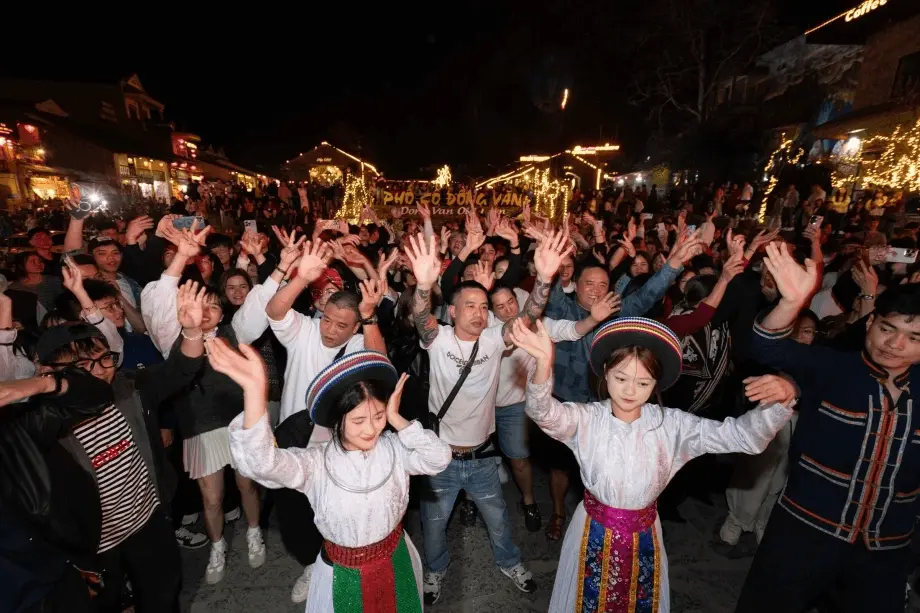
The Fire Dancing Festival in Dong Van (Image from VNExpress)
The bottom line
If packing with intention, you will be rewarded by The Ha Giang Loop. Everything you bring will spend hours strapped to a motorbike in mountain weather – so stick to layers, protect your documents, carry cash, and don’t skip travel insurance.
Whatever you bring, remember one rule and three keywords: bring only what fits in a 15–20L daypack – with items that are lightweight, weather-appropriate, and provide safety.
If you’re ready to ride, Serenity Ha Giang offers guided and self-ride loop tours with helmet and rain gear included, storage for your main luggage, and local guides who know every switchback on the route. Go with a small group of up to 8 pax and sleep in a private bungalow, book now to enjoy your desired Ha Giang Loop trip!
| Note: Since July 2025, Ha Giang has been merged into one province with Tuyen Quang and has become a part of it. |