

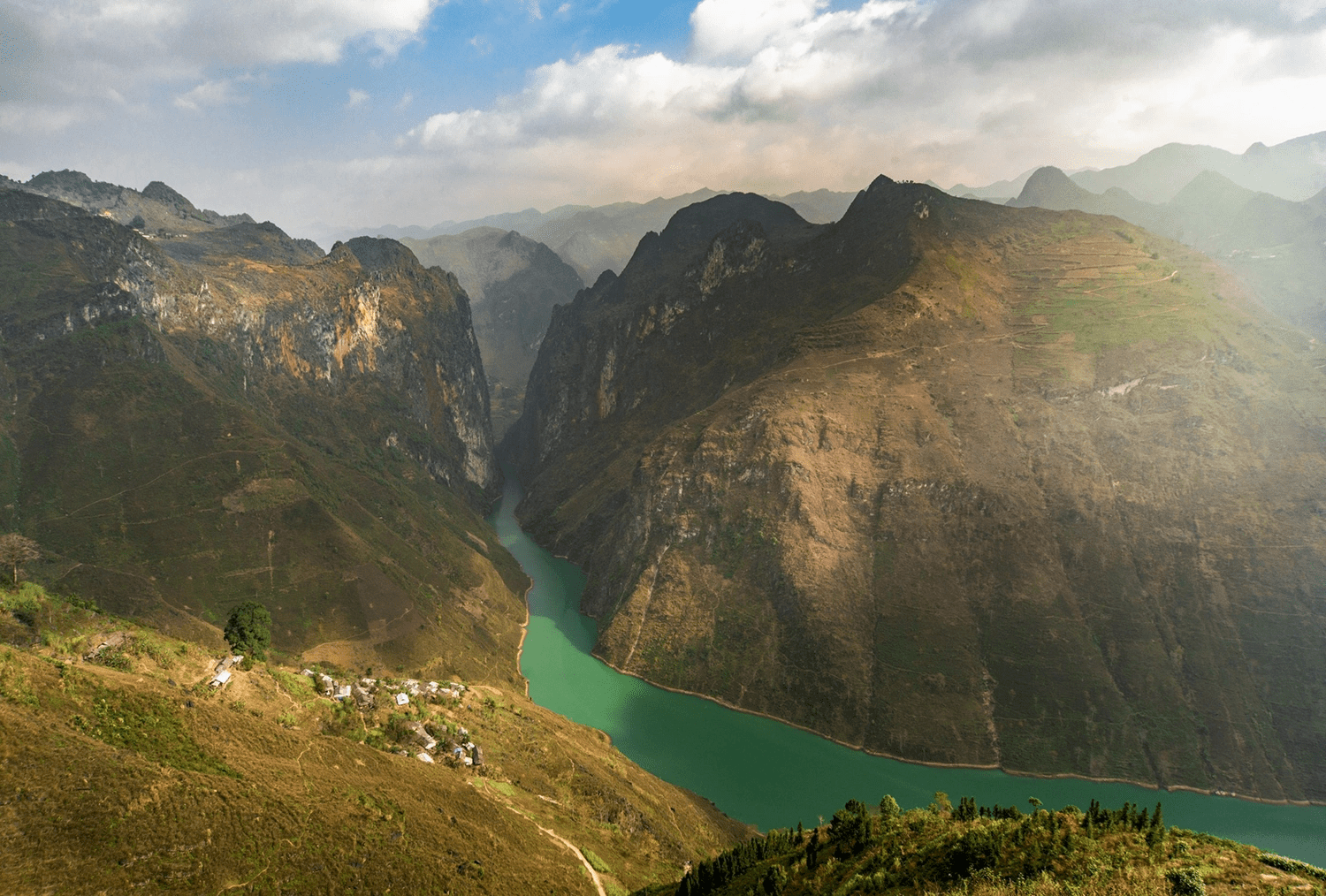
Top 15+ essential Ha Giang Loop travel tips you should know
So eager to experience that winding mountain road cutting through misty limestone peaks? Ha Giang Loop is waiting for you! Before you pack your bags, learning some practical tips for the Ha Giang loop is crucial to ensure a safe and epic journey.
In this article, let Serenity Ha Giang break down what to pack, how to ride, where to sleep, what to eat, and how to show up respectfully in one of Vietnam’s most sacred cultural landscapes. The rest is pure, jaw-dropping adventure. And you will be ready right away, less time worrying, more time pulling over to take photos you’ll never stop sharing.
TL;DR – Essential Ha Giang Loop Travel Tips
- Licenses matter: Police checkpoints are active outside Hà Giang City. You need a Vietnamese or international motorcycle license to self-drive, no exceptions.
- Helmet up, insure up: Always wear at least a three-quarter helmet with full-face glasses, and get travel insurance that explicitly covers motorbike riding.
- Rent smart, rent local: Choose a semi-automatic bike of at least 110cc, get a written contract, and rent in Hà Giang City – not Hanoi.
- Book accommodation at least 1 week ahead: Homestays in Đồng Văn, Mèo Vạc, and Pả Vi fill up fast during peak season (September – November).
- Cash is king: ATMs are scarce beyond Hà Giang City – withdraw enough VND before you hit the road.
- Eat local, carry water: Try thắng cố (traditional horse meat stew) and xôi ngũ sắc (five-coloured sticky rice) at local markets, and always bring your own water for the long stretch between Yên Minh and Đồng Văn.
- Travel with respect: Dress modestly in villages, skip handing out candy to kids, and treat local market days with politeness.
Safety Tips for the Ha Giang Loop
The Ha Giang Loop demands carefulness for the roads, the weather, and your own limits. That said, thousands of travelers complete it safely every month with the right preparation, as they know and apply these tips:
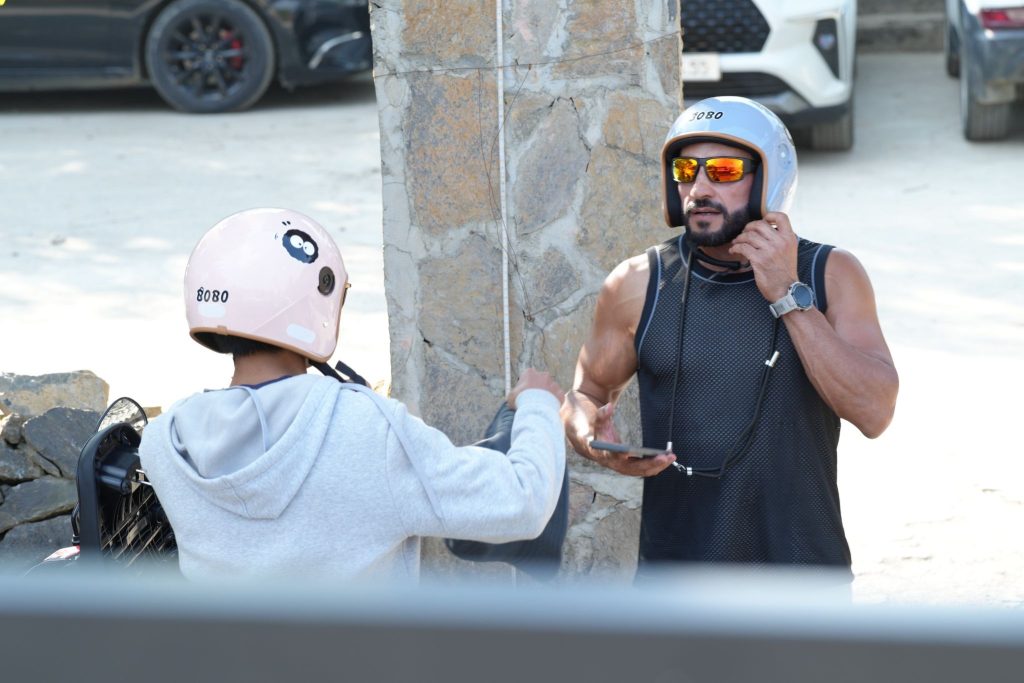
Tip 1: Always wear a full-face helmet
- Open-face helmets offer minimal protection on roads where sharp limestone gravel and tight hairpin turns are the norm.
- When you go on a tour, they often prepare the helmet for you beforehand. However, if they/or your rental shop only offers a half-shell helmet, buy or borrow a better one. In Serenity Ha Giang, all the customers are provided with a three-quarter helmet with full-face glasses.
Tip 2: Get travel insurance that explicitly covers motorbike riding.
Standard travel policies often exclude it. Before departing, verify your policy covers motorbike accidents in Vietnam – ideally with medical evacuation included, as hospitals in Hà Giang Province have limited facilities compared to Hanoi.
Some reputed names are Safety Wings, Genki, and World Nomads.
Tip 3: Avoid riding after dark or riding when it’s raining.
Mountain roads in the Đồng Văn Karst Plateau have no lighting and occasional fallen rocks or livestock crossings. Plan your daily riding to finish well before sunset.
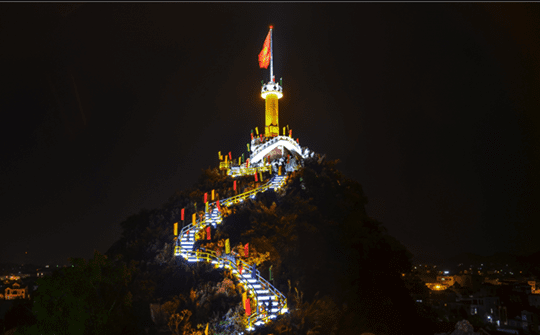
Check the weather before each day. Fog is common at Heaven’s Gate Pass (Cổng Trời) and Mã Pí Lèng Pass, particularly from November to March. Wet limestone roads reduce grip significantly. If it’s raining hard, wait it out.
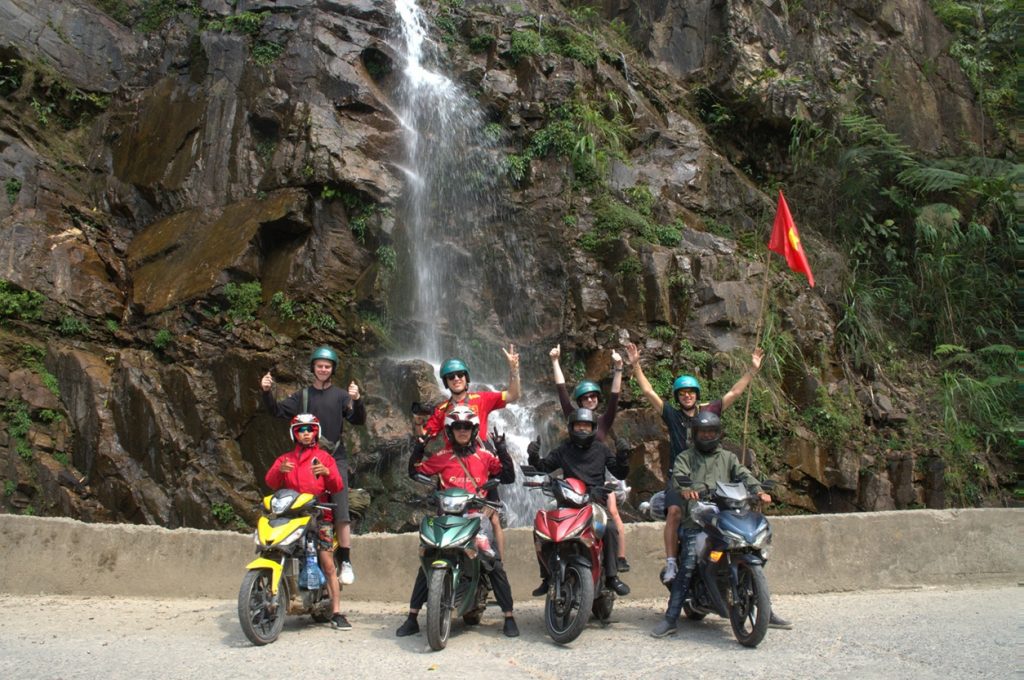
However, if you travel with a professional tour guide operation like Serenity Ha Giang, the experienced local drivers check this for you daily before every ride, so you just need to sit back, relax, and be ready for the ride.
Motorbike Rental Tips for the Ha Giang Loop
The bike is not just a vehicle, it’s a friend that accompany with you throughout your trip on Ha Giang Loop. Renting a good bike can make or break your trip. The loop involves elevation changes of over 1,500 metres, so underpowered or poorly maintained bikes are a genuine hazard.
Tip 1: Choose a semi-automatic or manual bike of at least 110cc
Most motobike rental providers offer high-quality bikes that belong to well-known brands such as Honda Wave, Yamaha Sirius, or similar. Manual bikes offer more control on steep descents but require prior experience. Avoid 50cc scooters because they simply lack the torque for mountain grades.
Tip 2: Always get a written rental contract
If you travel by yourself instead of going with a tour operator, you should get a contract that lists the bike’s condition, the agreed daily rate (typically 180,000 – 400,000 VND/day), and what happens in the event of damage. Check tyre pressure and ask if a puncture kit is included – punctures are common on gravel sections past Yên Minh. Photograph the bike thoroughly before signing.
The motorbike rental rate in 2026, for your reference:
- Semi-automatic 110cc-125cc (180,000 – 200,000 VND/day): Suitable for solo riders, fuel-efficient.
- Manual transmission motorcycles 125cc-150cc (300,000 – 400,000 VND/day): Exciter, Winner, Winner X, Winner V1.
Tip 3: Rent in Hà Giang City, not Hanoi.
Riding from Hanoi adds 300+ km of monotonous highway before the scenic section even begins. Most experienced travelers take the overnight bus to Hà Giang City and rent locally.
Accommodation Tips for the Ha Giang Loop
The Ha Giang Loop is very diverse in accommodation – from family-run homestays to boutique guesthouses – but availability is tight during peak season (September to November, when the buckwheat flowers bloom). But you can always get a satisfied room with these tips:
Tip 1: Book at least 1 week in advance during September – November.
Homestays in Đồng Văn and Mèo Vạc are particularly popular and fill up fast, especially on weekends.
Tip 2: Prioritise homestays over hotels.
A local homestay in Nam Dam Village near Yên Minh or the Lô Lô Village near Đồng Văn offers a genuine cultural experience that a highway-side guesthouse cannot match – and typically costs 550,000 – 900,000 VND a night. (The price might be higher during peak season)
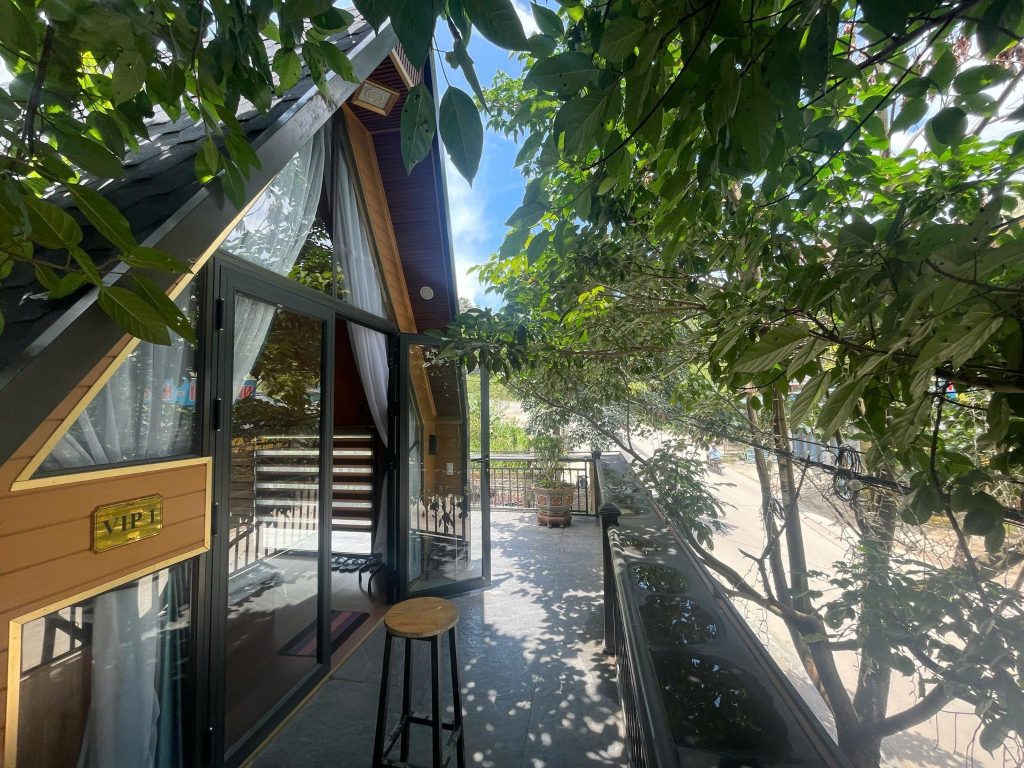
For more privacy, you can consider Serenity Bungalow, in which you can wake up to a view of misty mountains, with cozy spaces and comfortable sleeping accommodations.
Tip 3: Find the stays in key accommodation areas
Depending on your Ha Giang Loop Itinerary, you can find a preferable spot to rest in these key areas:
| Location | Vibe & Accommodation Style | Best For |
| Ha Giang City | Urban base camp; mix of hotels, guesthouses, and hostels | Base before and after the loop. First-night arrivals from Hanoi Renting bikes and storing heavy luggage. |
| Yen Minh | Larger town feel; proper guesthouses with reliable amenities | Travellers who want more comfort, consistent hot water, and a quieter overnight stop |
| Dong Van | Historic and atmospheric; Old Quarter charm with the widest range of hotels and hostels; it can get busy during weekend markets. | Soaking up local culture; great base for the weekend market – but book early |
| Meo Vac (Pa Vi) | “Cultural village” near Ma Pi Leng Pass featuring beautifully designed homestays with stunning canyon views. | Travellers who want a dramatic, scenic setting and an authentic Hmong cultural experience |
| Du Gia | Lush valley; rustic, community-style homestays | Authentic slow travel; family-style dinners where all guests eat together around one table |
Prefer a stress-free stay? We recommend that you book a 4N3D Ha Giang itinerary with Serenity Ha Giang. Not only are all accommodations and transport arrangements taken care of, but you’ll also get to experience the Ha Giang Loop to the fullest with local insights, scenic stops, and a well-planned journey from start to finish. No headache!
Food and Drink Tips for the Ha Giang Loop
Eating your way through the Ha Giang Loop is one of its quieter joys. Make sure you know what to look for:
Tip 1: Know these must-try local foods & drinks
- Thắng cố (a slow-cooked meat stew traditionally eaten at highland markets) at the Dong Van weekend market. It’s one of the most culturally significant dishes in the region and is rarely found outside northern Vietnam.
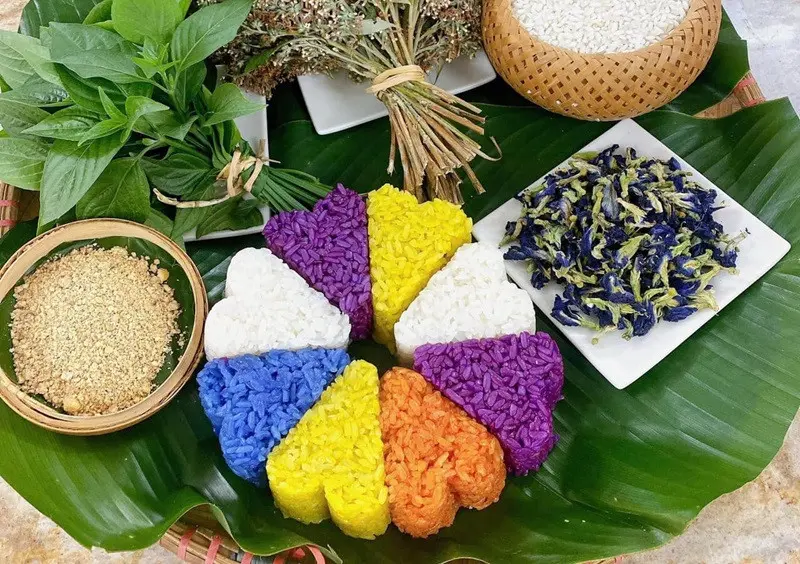
- Xôi ngũ sắc – Mixed Colored Sticky Rice: A specialty of the Tay ethnic minority symbolizing the five elements.
- Buckwheat Cakes: A unique, sweet-scented snack available in the region.
- Thang Den: A sweet dumpling soup made with ginger, peanuts, and coconut milk
- Cháo ấu tẩu – Au Tau Porridge: A good food for health, with bitterness from Au Tau root.
- “Happy Water” (Ruou Ngo): Local fermented corn wine that is frequently shared during communal, family-style dinners (Note: It’s offered frequently and is part of the culture – a polite sip is respectful; drinking heavily before riding is not)
Tip 2: Eat where locals eat.
Small roadside stalls near petrol stops in Tam Sơn and Sà Phìn serve freshly made pho, bun bo, and com binh dan (set rice meals) for under 40,000 VND. You can also explore more food in the Dong Van market.
Tip 3: Carry your own water and snacks
You will need to ride long stretches between towns, particularly the 60 km section from Yên Minh to Đồng Văn, where stops are sparse. Therefore, prepare your snack. Also, pack a lot of water to assist yourself during the long, hot, and humid days on the road.
Cultural Sensitivity Tips for the Ha Giang Loop
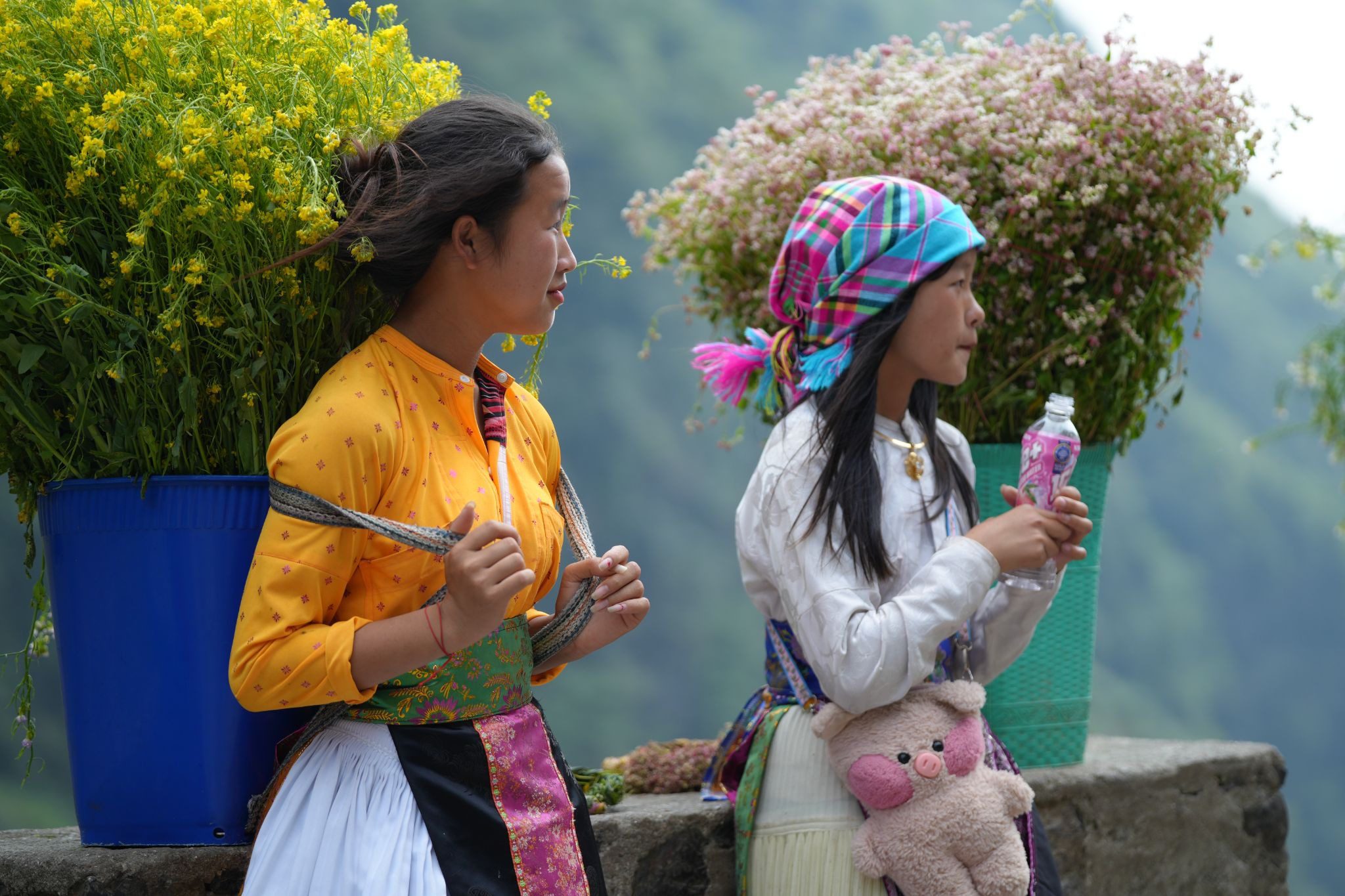
The Ha Giang Loop passes through the traditional territories of the Hmong, Tày, Dao, and Lô Lô ethnic groups. Travelling respectfully must be a part of your trip’s note:
Tip 1: Dress modestly when entering villages.
Shorts and sleeveless tops are fine on the road, but change before walking into a market or home. Knee-length or longer bottoms are appropriate at local gatherings, villages, schools, or religious sites like pagodas.
Tip 2: Avoid handing out too many candies or money to children.
It’s a well-intentioned habit that has created unhealthy dependencies in popular tourist areas. If you want to give something, donate to a local school or community organisation instead.
Tip 3: Respect local market days.
Markets in Đồng Văn, Mèo Vạc, and Lũng Phìn are community events, not tourist attractions. Browse, buy, enjoy! But keep noise levels down and follow the lead of the people around you.
You can enjoy your trip with an experienced local guide from Serenity Ha Giang, where the tour guide not only informs you about the cultural sensitivity, but also tells you the stories about humans and culture, making you understand the people there.
You are now ready for the Ha Giang Loop!
The Ha Giang Loop rewards travellers who prepare well and travel with humility. Get your license sorted, rent a reliable bike, book your homestays early, eat what the locals eat, and move through the region’s villages as a respectful guest – not just a content creator with a GoPro. Do all of that, and the Đồng Văn Karst Plateau will give you one of the most memorable weeks of your life.
If you’d rather hand the logistics to someone who’s done it hundreds of times, Serenity Ha Giang specialises in guided Ha Giang Loop experiences – from full-service tours to curated accommodation-only bookings. Plan your loop with us →