




Tour with
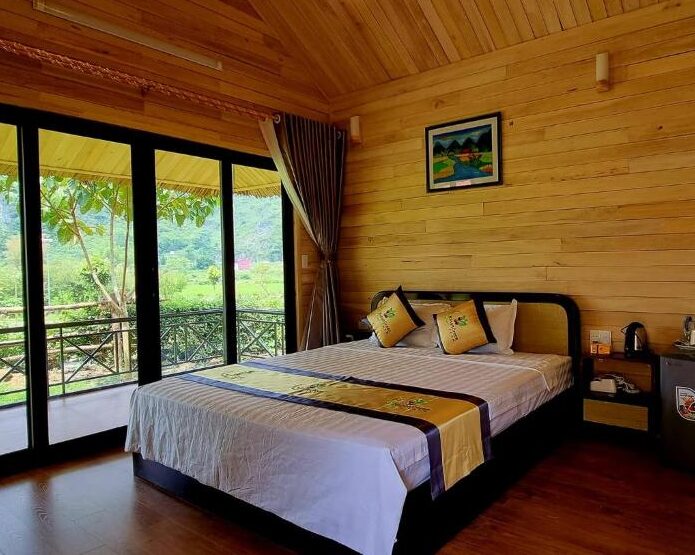
Private Room
$225 /person
- Private room for 1–3 guests
- Full in-room amenities for a comfortable stay
- Ideal for couples, friends & small groups

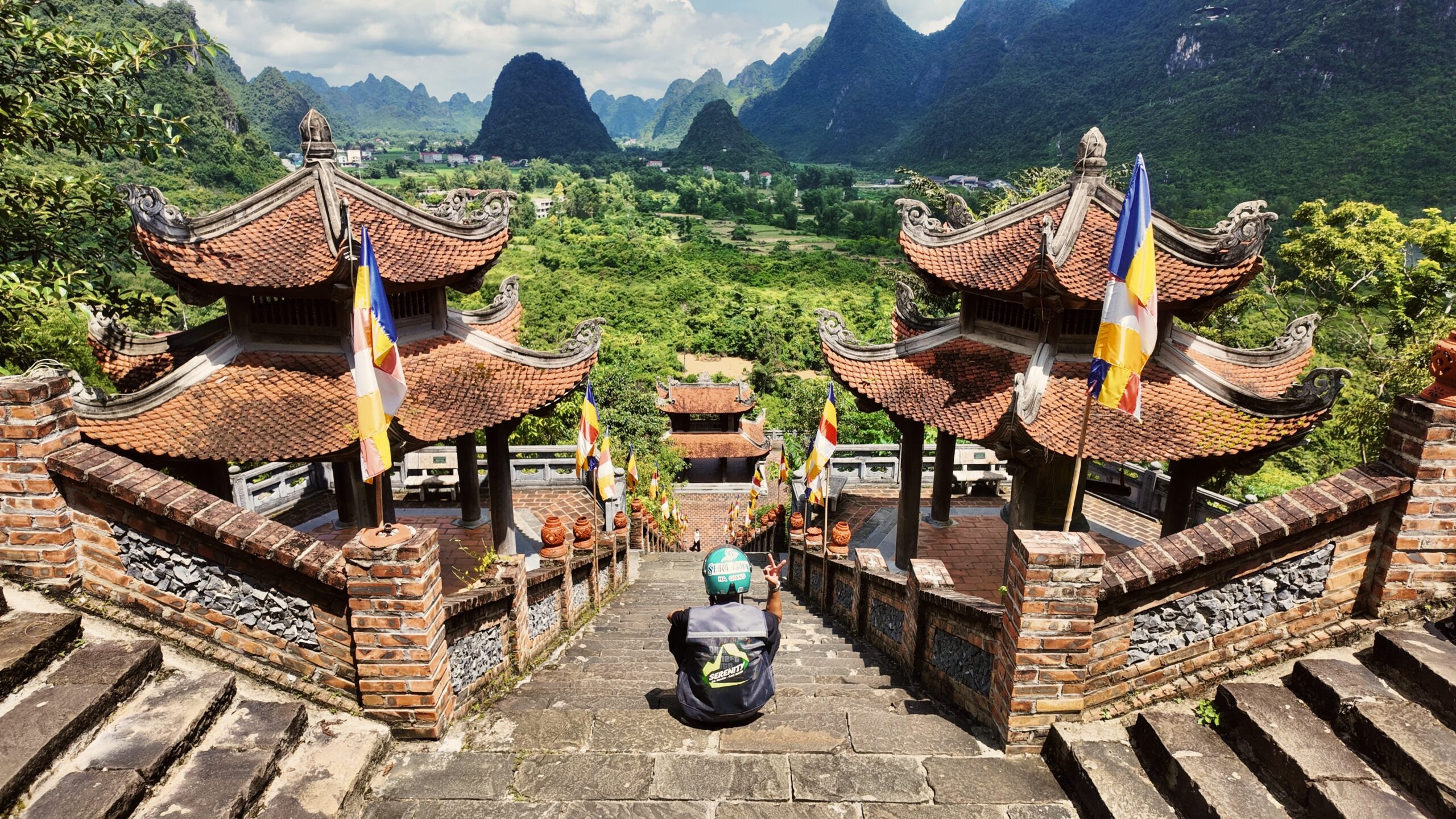
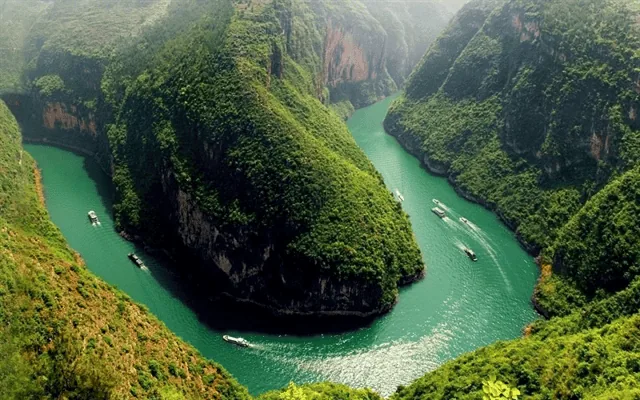
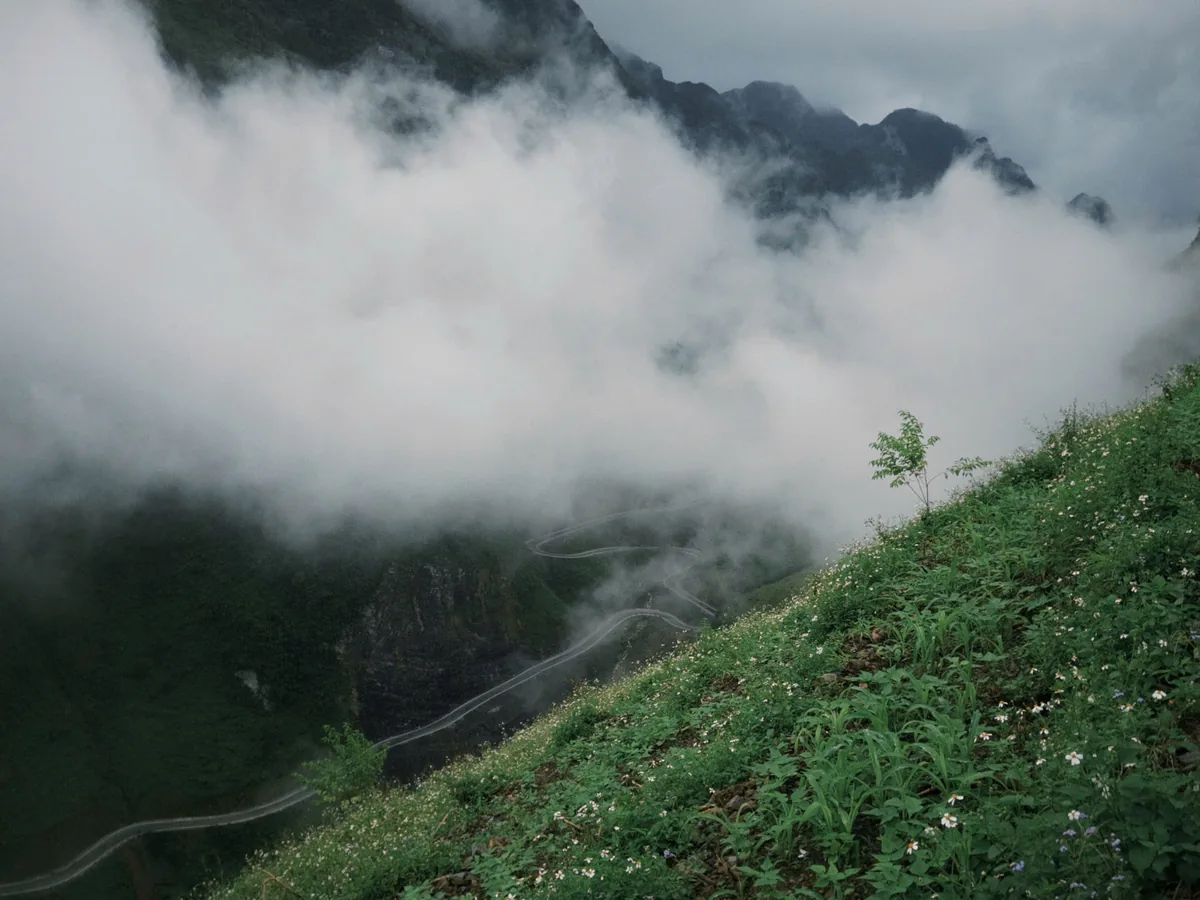
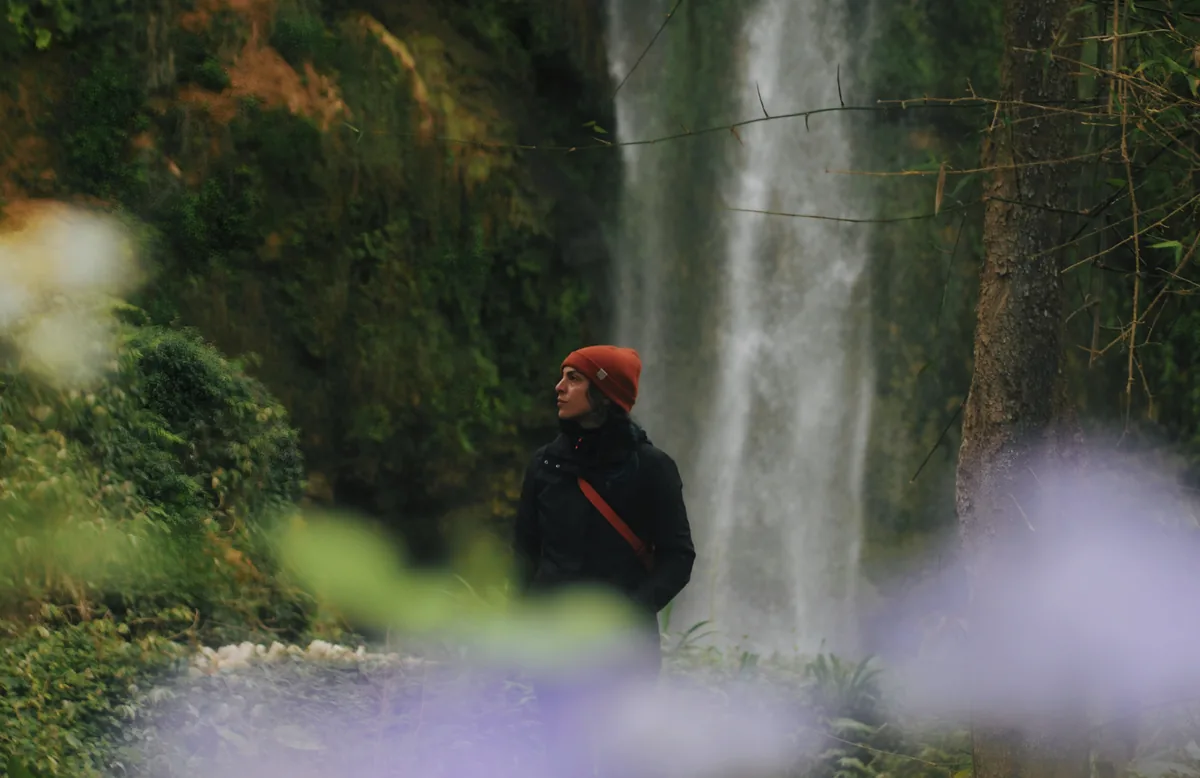
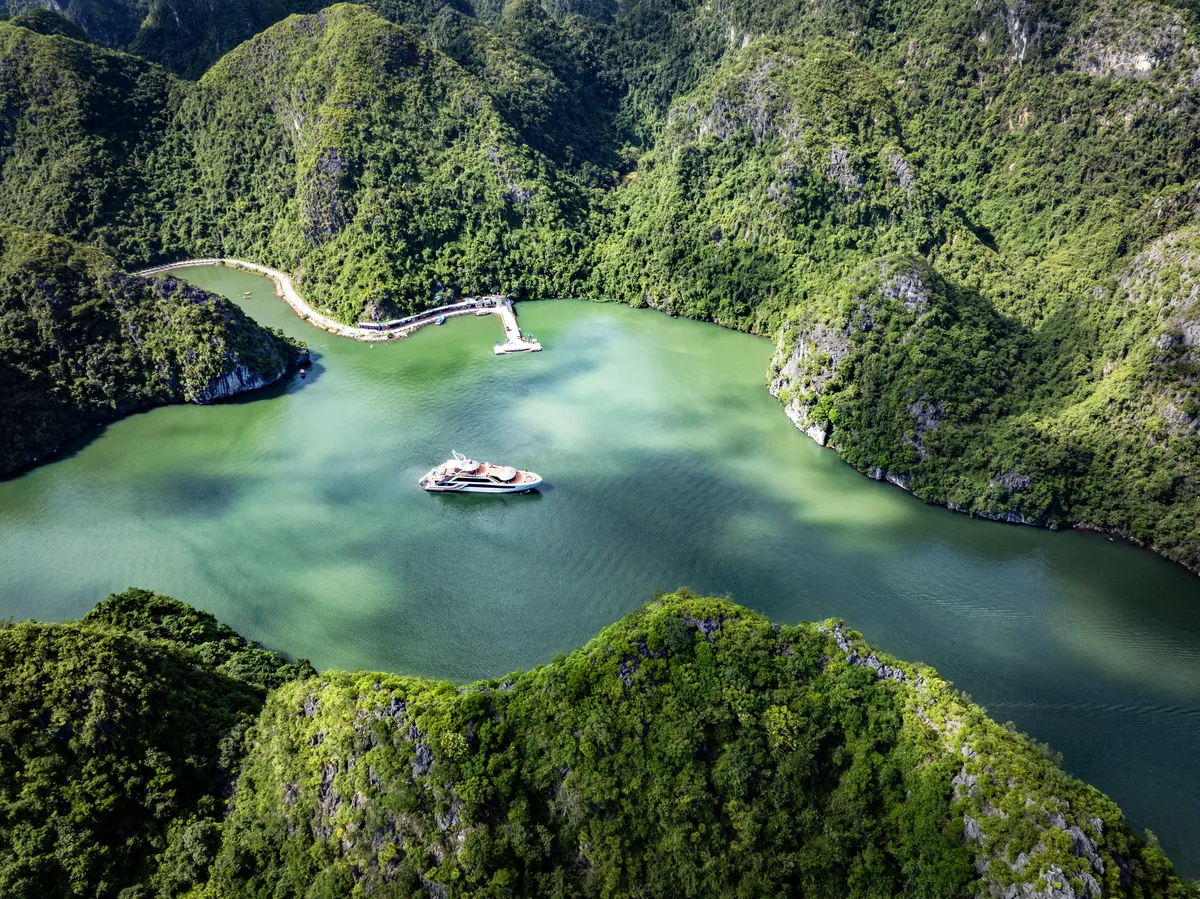
Follow Cao Bang from the history of Pac Bo to working craft villages, Ban Gioc Waterfall and a sunset walk through Ngoc Con Valley.
Overview
The journey begins beside the clear water of Lenin Stream and inside the cave where Ho Chi Minh lived after returning to Vietnam in 1941. From there, the road leads to Luong Noi, where Tay artisans still weave brocade on bamboo looms, and Angel Eye Mountain as the afternoon light reaches the valley.
The following days take you through four working craft villages, into the cool chambers of Nguom Ngao Cave and onto a bamboo raft below Ban Gioc Waterfall. The final walk follows the Quay Son River through the rice fields and Tay and Nung villages of Ngoc Con Valley.
Itinerary
Here's how the three days actually run, timed so you ride in daylight and reach each viewpoint when the light is best.
Weather and road conditions in the mountains change quickly, so your guide may reorder a stop or two along the way. Whatever changes, it's always to keep the ride safe and the day enjoyable.
We pick you up from your Old Quarter hotel anytime between 6:00 AM and 5:00 PM depending on that day's bus schedule. The bus takes around 6 hours. You arrive in Cao Bang late and check into a city hotel for a proper sleep before the tour begins. Note: Departures from Sapa, Ha Giang, Ninh Binh, and Cat Ba are also available on request.
Brocade weaving, the birthplace of modern Vietnam, and Angel Eye Mountain at golden hour. Around 130 km of riding with at least 5 breaks.
Office briefing and route introduction
Meet your guide and Easy Rider at our office in Cao Bang City. Quick safety briefing, gear check, and a run-through of the day's stops.
Local breakfast
A small local eatery for a proper Cao Bang breakfast – banh cuon or pho with bone broth. Refuel before the road.
Luong Noi Brocade Weaving Village
The Tay people of Luong Noi have been weaving brocade for around 500 years, and this is the only village in Ha Quang district that still preserves the ancient techniques and tools. Around 30 looms are still in active use, all built entirely from natural bamboo by the Tay themselves.
Incense, paper, bamboo hats, yin-yang tiles, and a sunset ridge walk. Around 150 km of riding with at least 5 breaks.
Breakfast at the homestay
Phia Thap Incense Village walkabout
A Nung An ethnic village where around 50 families have been making incense entirely by hand for generations. Everything is natural – bamboo, tree bark, sawdust, and wild bau hat leaves used as glue. The craft has been recognised as a National Intangible Cultural Heritage of Vietnam. When the village dries the incense in the sun, every surface is covered in red and yellow bundles – one of the most photographed scenes in Northern Vietnam. Incense sticks are central to the worship culture of Tay and Nung communities across the Northern provinces.
Dia Tren Paper Village
A Nung An traditional papermaking village where the craft has been passed down through generations. The ivory-white, durable paper is used in daily life and traditional ceremonies, and is made entirely from tree bark soaked, pounded, and coated by hand. The link between paper and incense isn't accidental – the two crafts have been intertwined in Tay-Nung ritual culture for centuries.
The grand finale day. Around 130 km of riding with at least 6 breaks.
Breakfast at the homestay
Nguom Ngao Cave (Second Route)
A 400-million-year-old limestone cave system, discovered in 1921 and recognised as a National Scenic Spot in 1998. It's part of the UNESCO Non Nuoc Cao Bang Geopark. We take the new "Second Route" – only opened to visitors since 2022 – which is quieter and more atmospheric than the main path. The route winds past three iconic chambers: the "Four Pillars of Heaven," the coral-and-dragon-boat formations, and the glittering "treasure chamber." Bring a light layer; the cave stays cool year-round.
Truc Lam Phat Tich Ban Gioc Pagoda
Inaugurated on 15 December 2014, this is the first pagoda ever built on Vietnam's northern border – a symbolic site for the country. Built on Phia Nham Mountain just 500m from the waterfall, it offers the best elevated panoramic view of Ban Gioc from above. Traditional Vietnamese architecture with ironwood pillars and terracotta tile roofs, plus a 1.5-ton bronze bell tower.
PRICE INCLUSIONS
Rates & room options
Both options share the same itinerary, the same local riders and the same attention to safety. The difference is simply where you rest at night.
Tour with
Private Room
$225 /person
Tour with
Dorm
$205 /person
THE SERENITY DIFFERENCE

At Pac Bo, history lives beside the blue water of Lenin Stream and inside the cave where Ho Chi Minh worked after returning to Vietnam in 1941. Your guide helps connect the places you see with the events that began here.

You meet Tay and Nung artisans where the crafts remain part of everyday life. Watch brocade being woven on bamboo looms, incense drying in village courtyards, paper made from tree bark and yin-yang tiles shaped by hand.

The route moves from Pac Bo and Angel Eye Mountain to the craft villages, then finishes with Nguom Ngao Cave, Ban Gioc Waterfall and an afternoon walk through Ngoc Con Valley. Each day adds a new layer to Cao Bang.

With no more than 10 guests, there is time to watch an artisan finish their work, ask your guide another question or wait for the light to change over the valley. The journey follows the group’s rhythm rather than a bus timetable.
STAYS & MEALS
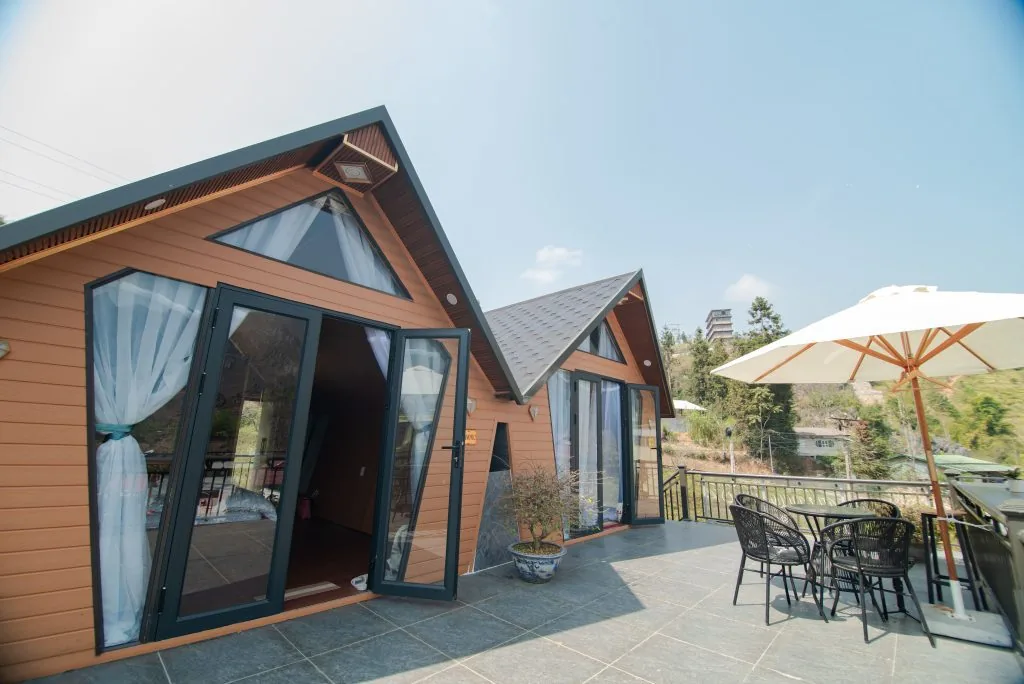
Stay at Nasan, a peaceful place close to the route, surrounded by beautiful scenery and near the stream. It’s comfortable and convenient for a night in Cao Bang, without feeling crowded.
Near Ban Gioc you stay at Nasan Green Farm, a riverside farm stay of stilt houses and bungalows in Trung Khanh, with rice fields and the Quay Son River out front and mountains behind. Kayak the river, wander the flower gardens, or cycle the lanes before a dinner cooked from the farm's own vegetables.
Dinner brings a taste of Cao Bang, with local dishes prepared with fresh ingredients and enjoyed in a relaxed setting. The hosts are warm and welcoming, making it easy to feel at home and connect with the people and place around you.
We choose stays that are small and peaceful rather than crowded. There’s enough comfort to rest well, but also enough shared space to sit down, have a drink, swap stories and connect with fellow travellers.
Traveller stories
A few honest impressions from guests who've done this trip.
 4.98
5000+ Reviews
4.98
5000+ Reviews
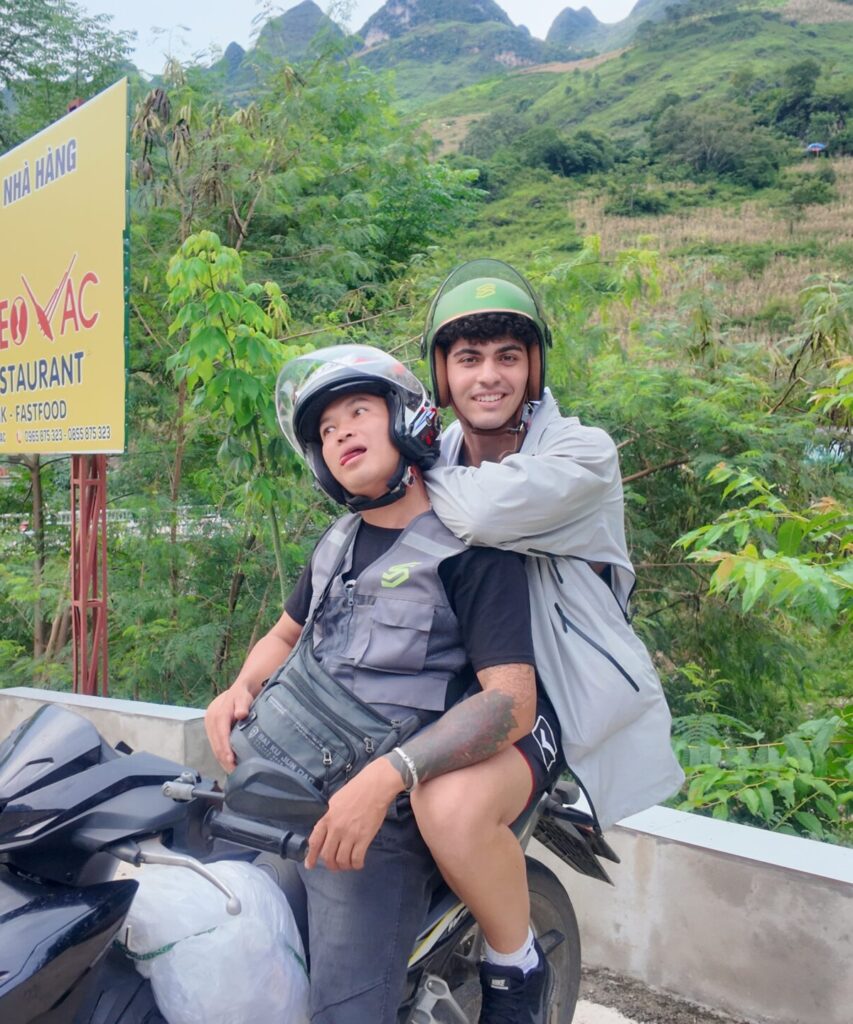
"Doing the Ha Giang Loop with Serenity was an incredible experience"
Gabbi
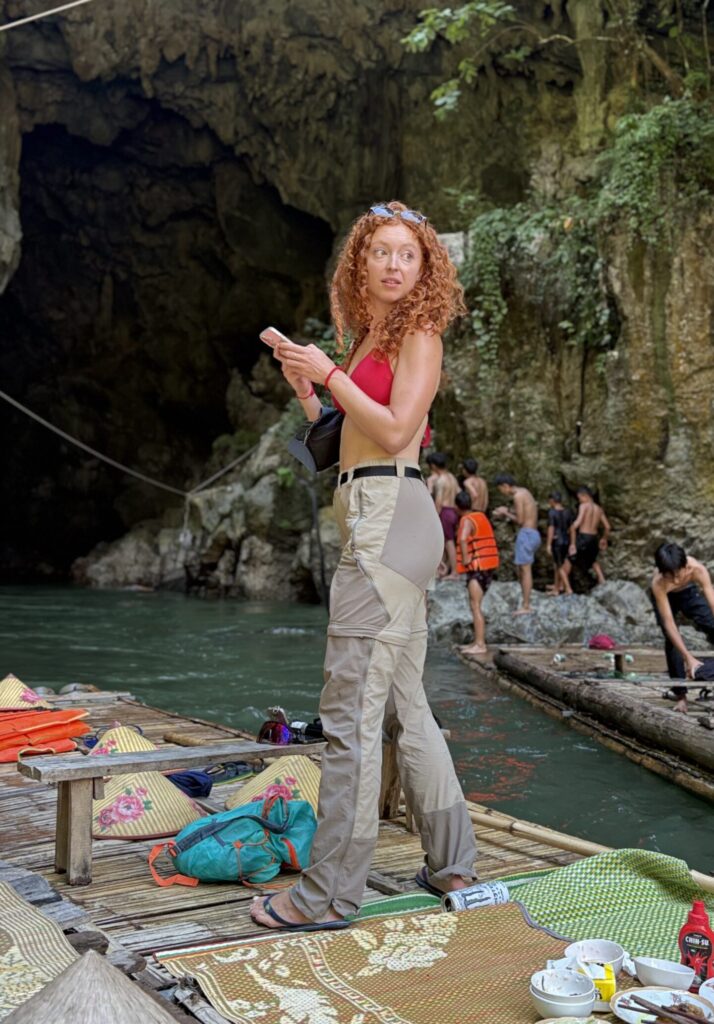
"It was one of the best experiences in my life"
Gulia
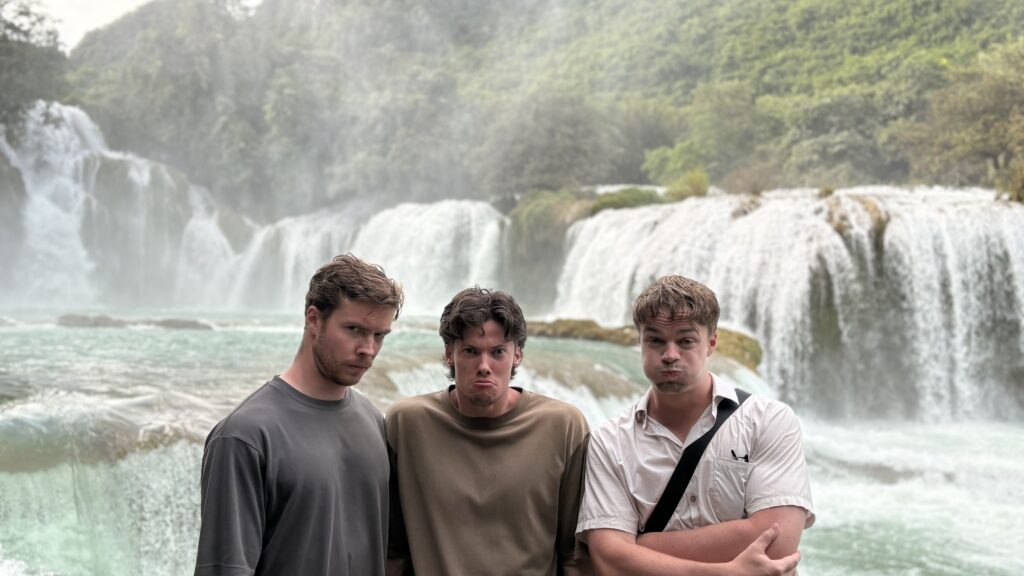
"It've been a lovely experience"
Joel
"Ha Giang Loop with Serenity was amazing"
Nico
"I've been having a really awesome time"
Samuel
"We loved it because people were so kind"
Sarah
01 / 06
Start planning
Share your travel dates and group size. A local planner confirms availability, pick-up point and the right plan for your group.
Plan with a local
Tell us your dates, pace and interests. A local planner will help shape the route around you.
Message sent
A local planner will get back to you by email. Your reference:
QUESTIONS BEFORE YOU GO
Yes. Three days gives the route time to move beyond Ban Gioc Waterfall and Nguom Ngao Cave. You can visit Pac Bo, spend time in working craft villages and walk through Ngoc Con Valley without turning every stop into a quick photo break.
The third day brings more history, culture and time on foot. This route includes Pac Bo, Luong Noi Brocade Village, four Nung craft villages and Ngoc Con Valley, giving you a fuller view of how people live and work across Cao Bang.
The route connects places where Cao Bang’s history and traditions are still visible. You walk through Pac Bo, meet Tay and Nung artisans, see brocade woven on bamboo looms and watch incense, paper, hats and yin-yang tiles being made by hand.
Ha Giang is shaped by high passes, rocky plateaus and long stretches of mountain road. Cao Bang moves through greener valleys, rivers, waterfalls and caves, with more time spent learning about local history and village crafts.
Each season changes the route. Summer brings green valleys and stronger water at Ban Gioc. Autumn colours the rice fields around Ngoc Con, while the grass at Ba Quang turns from deep green to warm orange between October and January.
Yes. The journey moves from the blue water of Lenin Stream and artisans working at their looms to incense drying in village courtyards, Ban Gioc Waterfall and late-afternoon light over Ngoc Con Valley.
Continue exploring the north

POPULAR TOUR
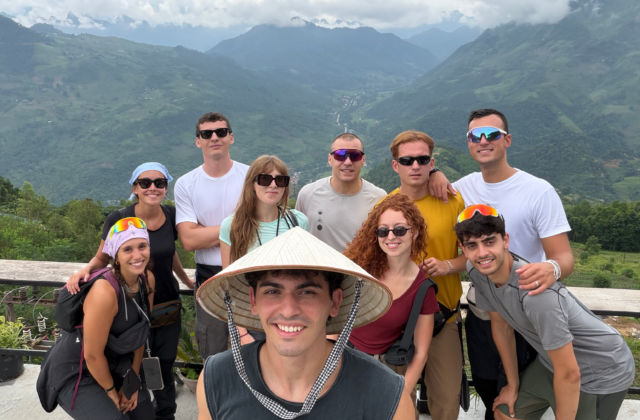
Ride the famous passes, then turn off to quiet H'mong villages like Sao Ha, with a Nho Que boat ride and local riders the whole way.
POPULAR TOUR
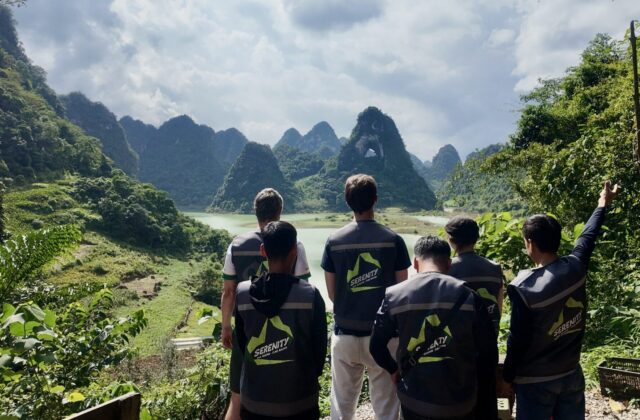
A slower, deeper ride through Ha Giang, pairing Ma Pi Leng and Lung Cu with the streams, caves and craft villages most tours skip.
In-depth Tour
The full sweep of the northeast in one ride, from the passes of Ha Giang to the waterfalls and hidden valleys of Cao Bang.
Popular Tour
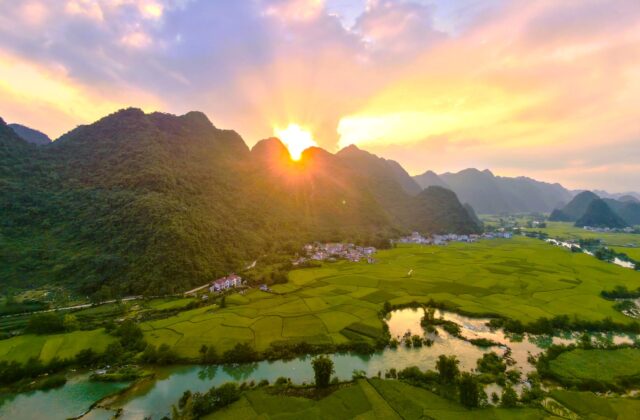
Follow Cao Bang from the history of Pac Bo to working craft villages, Ban Gioc Waterfall and a sunset walk through Ngoc Con Valley.
Popular Tour
Ride from craft villages and grass hills to Nguom Ngao Cave, Ban Gioc Waterfall and a night in Khuoi Ky Stone Village.
01 / 05