

Must-See Places
Hoang Su Phi Travel Guide: Rice Terraces, Routes and the Best Time to Visit
 Tristan Do
Co-founder & Marketing


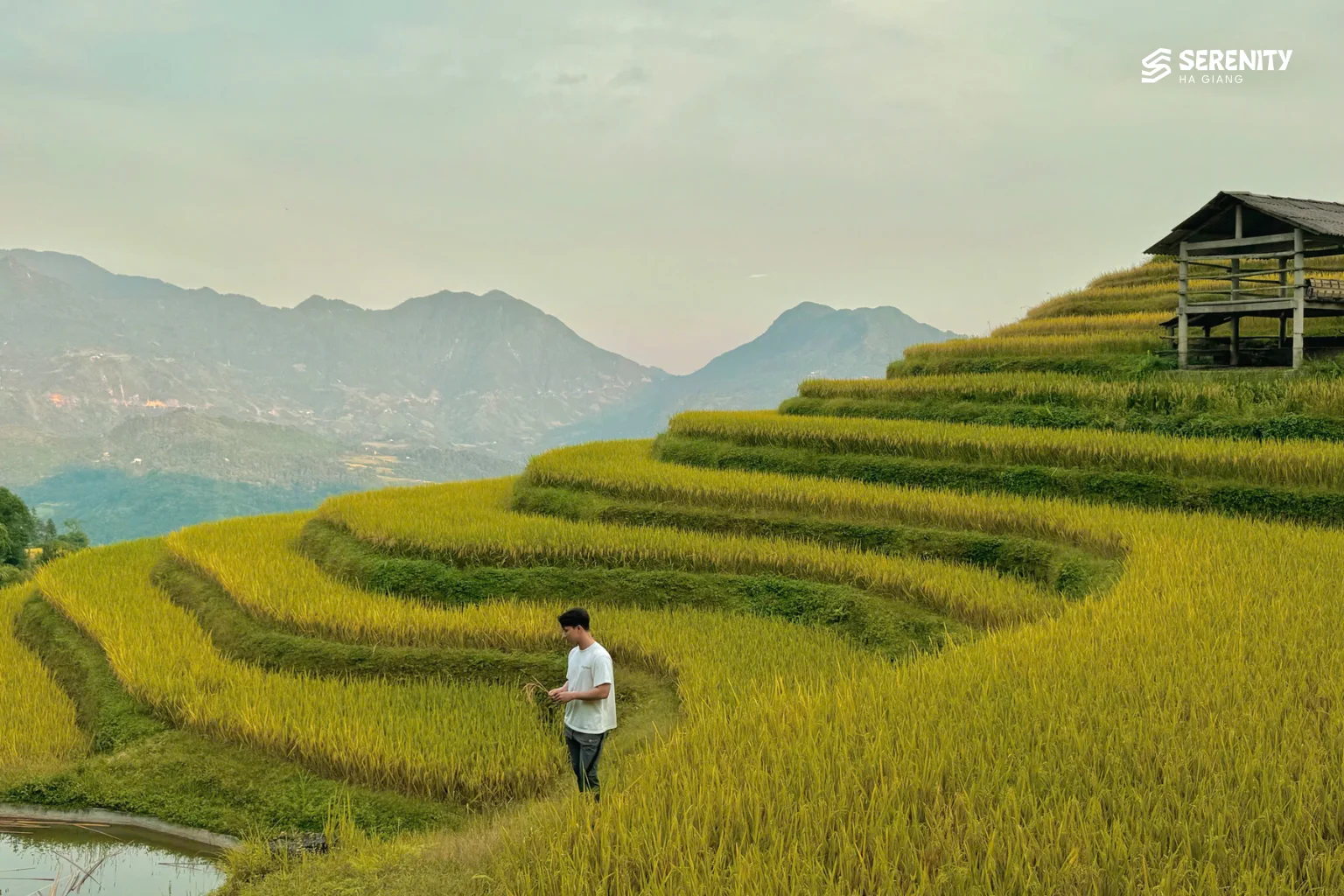
Hoang Su Phi is a terraced rice-field area in the far west of Ha Giang, and visiting Hoang Su Phi needs its own 2-4 days because the area sits well off the Ha Giang Loop.
Different from the Ha Giang Loop, which is about limestone passes and long riding days, Hoang Su Phi is about rice terraces, slow village trekking, and fewer visitors.
This Hoang Su Phi travel guide covers when the terraces look best, how to get there, which areas to base yourself in, and one change most guides have missed: since July 2025, the old commune names on many maps no longer match the official ones.
AI Summary: Hoang Su Phi, Vietnam, is an untouched mountainous area west of Ha Giang city, now part of Tuyen Quang province, known for terraced rice fields recognised as national heritage in 2012. Hoang Su Phi is not on the Ha Giang Loop: it is a separate trip of about 300 km from Hanoi, centred on trekking and homestays rather than mountain-pass riding. Most visitors need 2-4 days to see one or two terrace areas properly.
Key Takeaways
- Best season: golden terraces run from early September on lower fields to early or mid-October on higher ones; flooded “mirror” terraces appear in May.
- New names: the former Hoang Su Phi district was split into 8 communes of Tuyen Quang province on 1 July 2025, so old village names and new commune names now coexist.
- Plan ahead: trekking guides and return transport are hard to find on arrival, so arrange both before you go.
- Transportation options: Go to Hoang Su Phi from Hanoi or Ha Giang City by private car, sleeper bus, or motorbike. Each takes around 6-8 hours.
Where is Hoang Su Phi?
Hoang Su Phi lies in the western mountains of what was Ha Giang province (now is Tuyen Quang province), along the border with China. The main town is Vinh Quang, which sits in a river valley at about 553 m. The famous terraces climb the slopes above it.
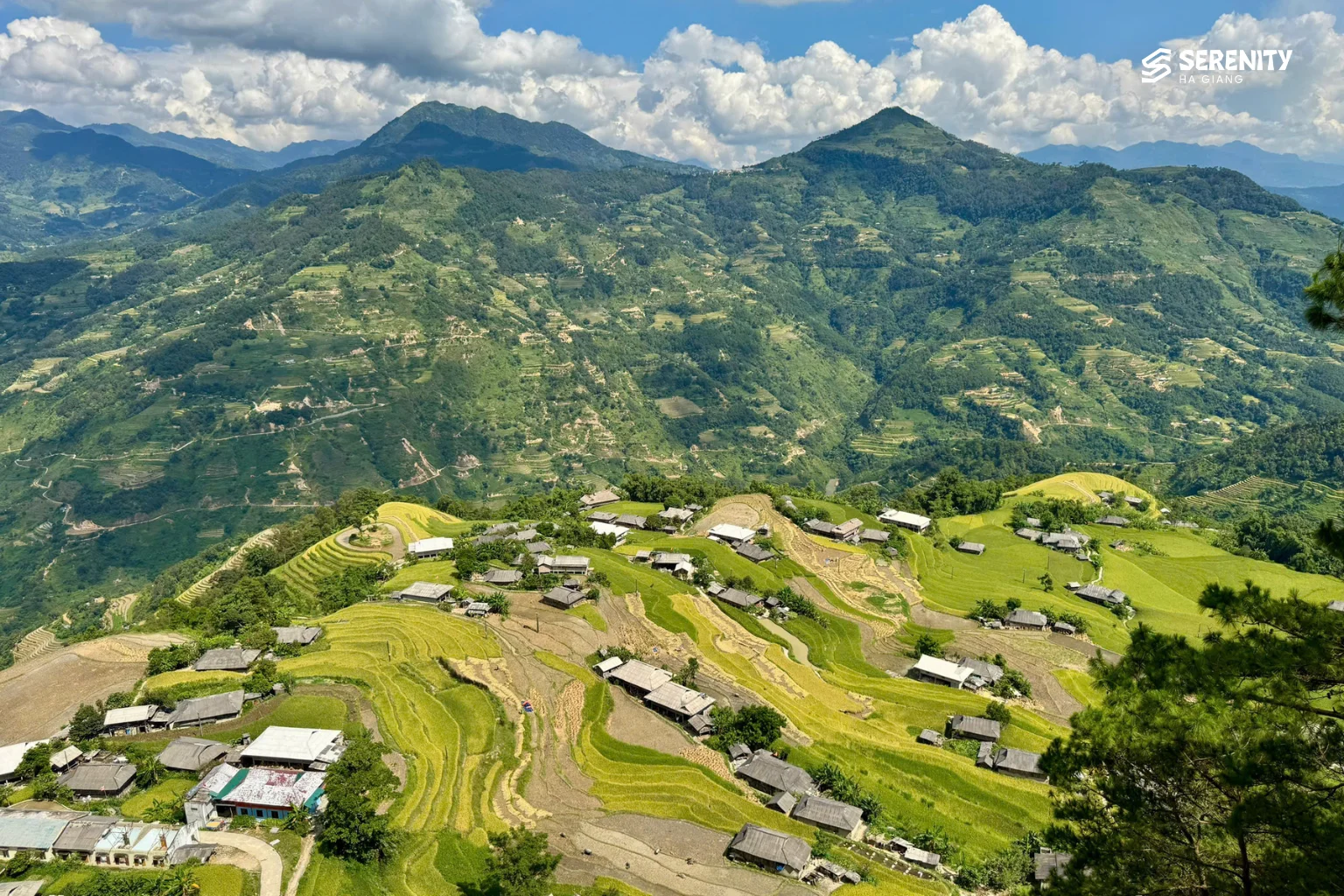
Key location details:
- Region: Northeast Vietnam, sharing a border with Yunnan Province, China.
- Surrounding districts: Bordered by Xín Mần to the west, Vị Xuyên and Bắc Quang to the east, and Quang Bình to the south.
- Distance from Hà Giang City: About 80 km to 100 km west (roughly a 3- to 4-hour drive).
- Distance from Hanoi: About 300 km to 310 km northwest (roughly 7 to 9 hours by road).
- Geography: Set between the high mountain peaks of Tây Côn Lĩnh (2,419m) and Chiêu Lầu Thi (2,402m). It is famous for its vast, national-heritage terraced rice fields spread across communes like Bản Phùng, Bản Luốc, Hồ Thầu, and Thông Nguyên
Does Hoang Su Phi district still exist?
Hoang Su Phi district no longer exists as an administrative unit. From 1 July 2025, Vietnam ended district-level administration, and Ha Giang merged with Tuyen Quang into a single province named Tuyen Quang. The former district’s territory now corresponds to 8 communes: Thong Nguyen, Ho Thau, Nam Dich, Tan Tien, Hoang Su Phi, Thang Tin, Ban May and Po Ly Ngai.
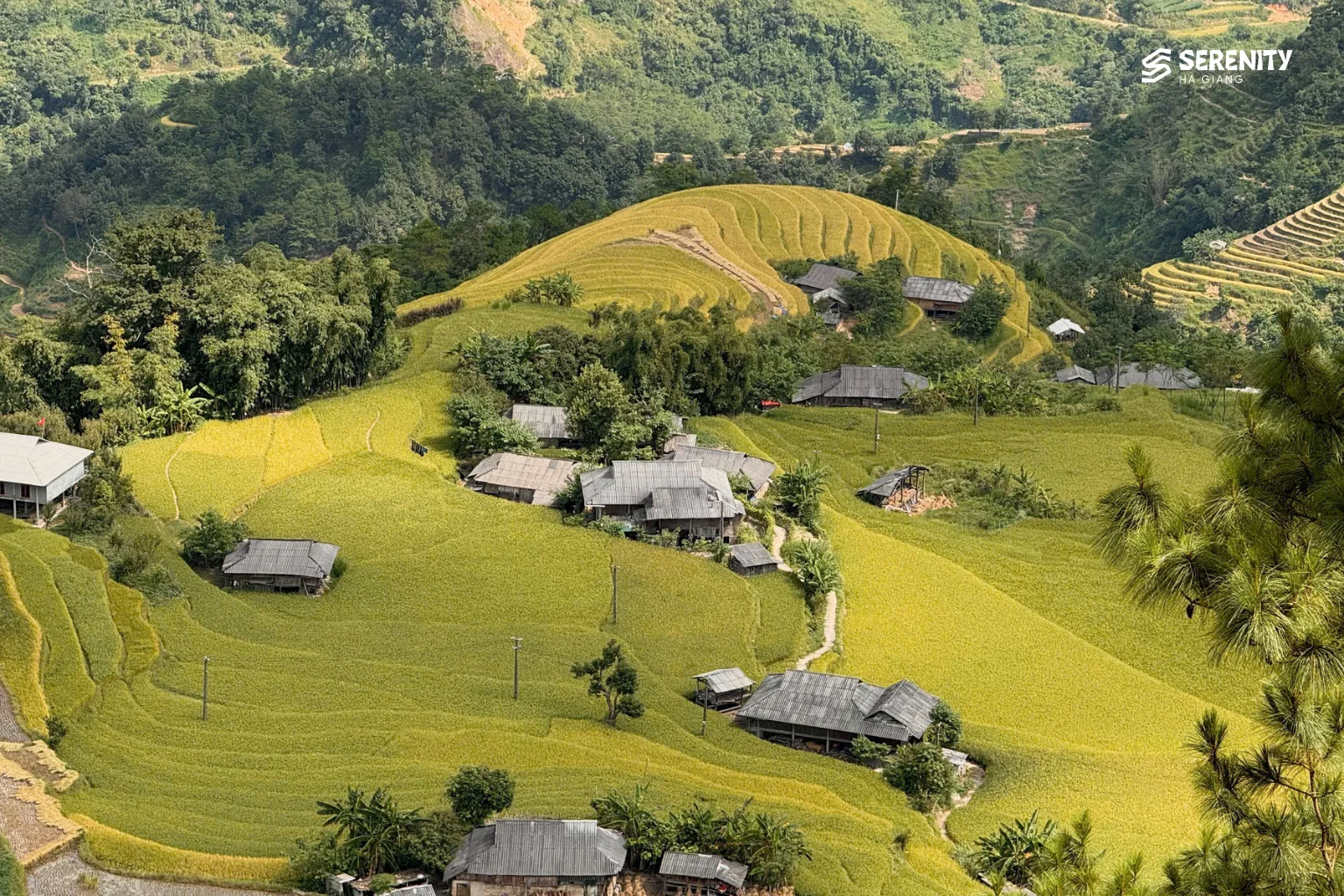
Travelers still say “Hoang Su Phi district”, and homestays still use the old village names. The table below links the terrace areas named in most guides to their current commune, which helps with Google Maps searches, bookings, and directions.
| Terrace area in older guides | Current commune (since 1 July 2025) |
| Ban Phung | Ban May |
| Ban Luoc, Vinh Quang town | Hoang Su Phi |
| Thong Nguyen | Thong Nguyen |
| Nam Khoa, Ho Thau | Ho Thau |
| Nam Ty | Nam Dich |
| San Sa Ho | Po Ly Ngai |
Source for mapping: Resolution 1684/NQ-UBTVQH15 of 16 June 2025, as listed by Báo Tuyên Quang and Vietnamese legal databases.
Is Hoang Su Phi worth visiting?
Hoang Su Phi is definitely worth visiting, especially if you want to see spectacular, steep rice terraces while avoiding the heavy crowds at places like Sapa.
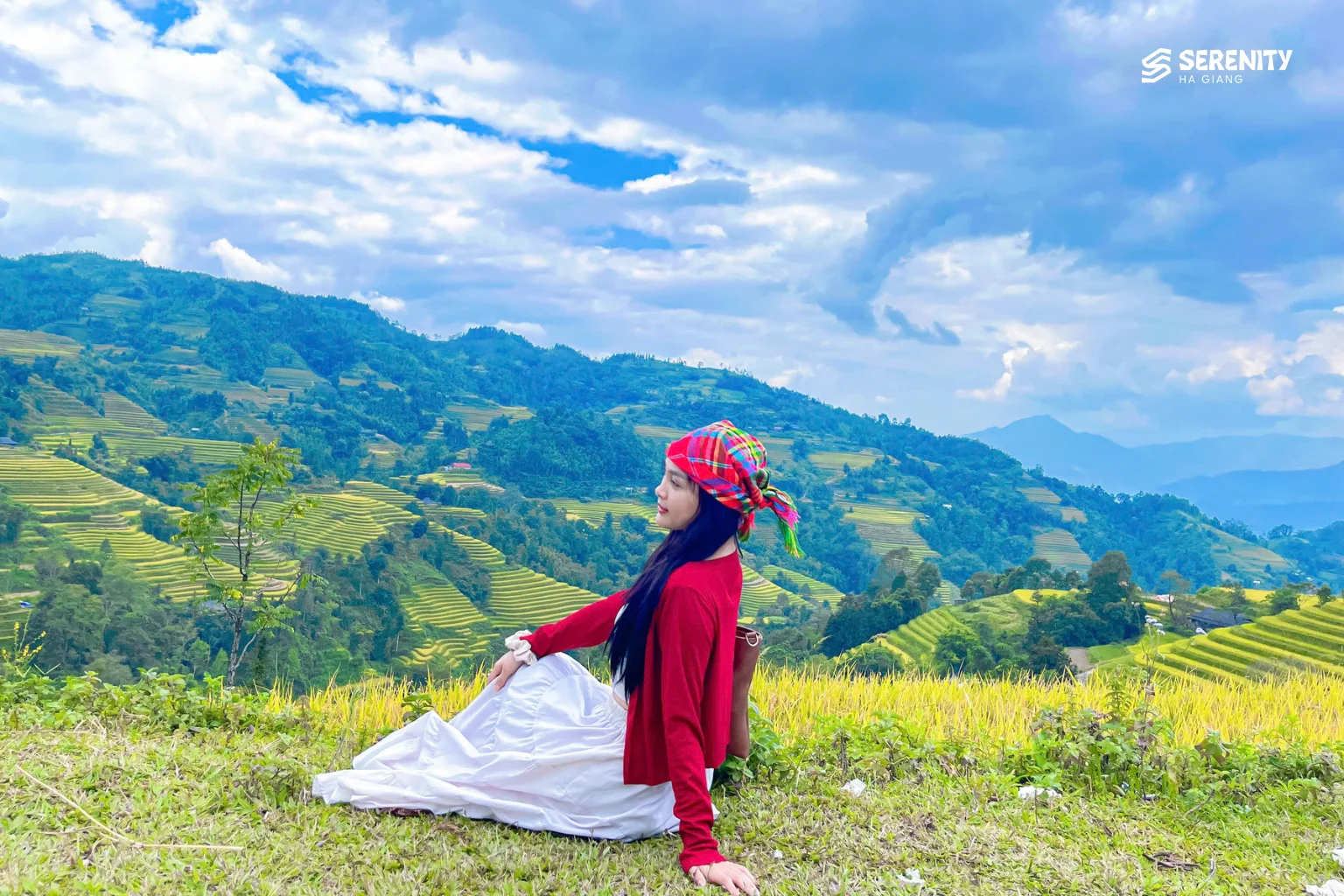
And if you think: “That sounds cool, but not strong enough to persuade me”, then here are other things that can add up and make you decide that a trip to Hoang Su Phi will absolutely be worth it:
- National heritage recognised: Hoang Su Phi’s terraced fields in six communes were recognised as national heritage in 2012, and were built over centuries by La Chi, Dao and Nung communities.
- Untouched and Uncommercialized: In 2026, The Times ranked Hoang Su Phi among the 11 most beautiful places in Vietnam, highlighting its peaceful, quiet roads and lack of mass tourism. Unlike heavily commercialized areas, it remains a tranquil paradise for trekkers and nature lovers.
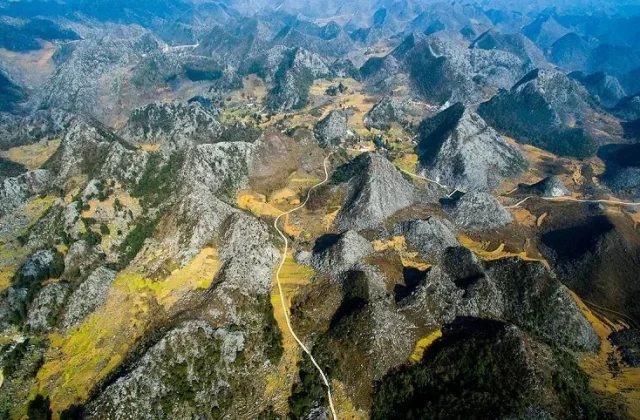
- Extreme, Breathtaking Terraces: The terraced fields here cascade down exceptionally steep mountain sides, spanning over 3,000 hectares. The highest and most dramatic layers can be found around Ban Phung Village (near the China border) and Ban Luoc Village.
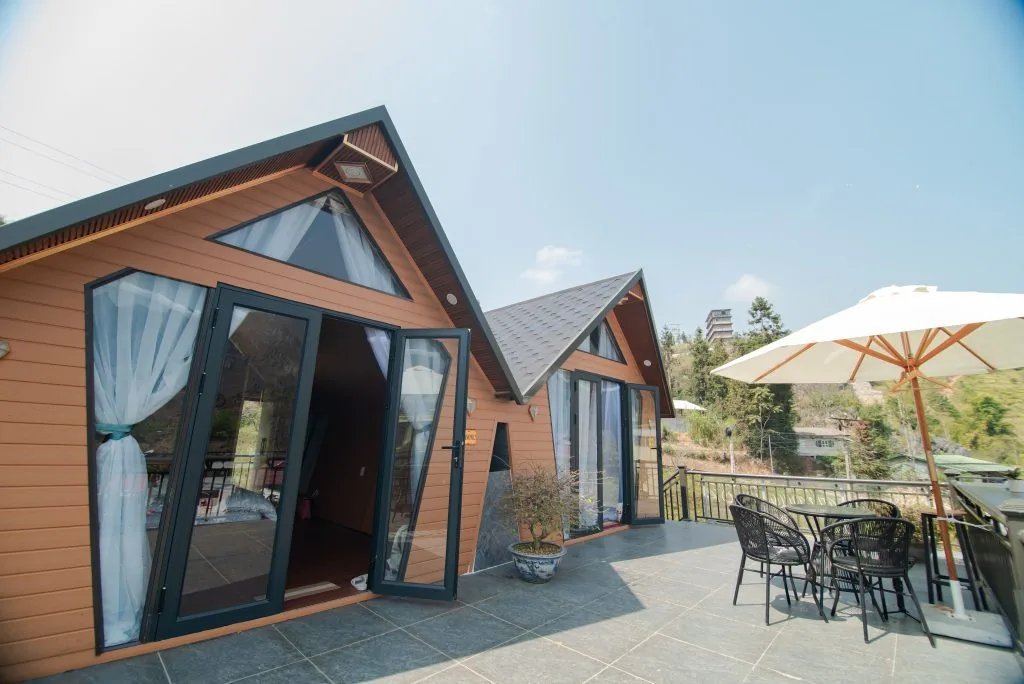
- Rich Ethnic Culture: The area is home to 12 distinct ethnic minority groups, including the Nung, Dao, Tay, and La Chi. You can immerse yourself in their daily life via sustainable local homestays or luxury eco-lodges like Panhou Retreat.
Hoang Su Phi vs the Ha Giang Loop
Hoang Su Phi is beautiful and peaceful, with its rice terraces and quiet villages, while the Ha Giang Loop lets you experience majestic nature and enjoy a thrilling ride on the passes.
A more in-depth comparison for both places:
| Factor | Hoang Su Phi | Ha Giang Loop |
| Main landscape | Terraced rice fields, forested peaks over 2,400 m | Limestone karst, deep gorges, Ma Pi Leng Pass |
| Main activity | Trekking, viewpoints, homestay stays | Multi-day motorbike riding |
| Tourist infrastructure | Basic homestays, eco-retreats and a few lodges | Well developed (rental shops, tours, hostels) |
| Season dependence | Scenery depends heavily on the rice cycle | Less tied to one crop cycle. |
| Minimum time | 2 full days plus travel | 3-4 days |
| Connection | Separate trip; does not pass the loop | Starts and ends in Ha Giang city |
| Best travel window | Sep – Oct (the golden harvest season when the terraces turn yellow). | Sep – Feb (cooler, dry weather with great visibility, and Tam Giac Mach Flowers). |
The loop and Hoang Su Phi suit different trips. Ha Giang Loop riders get variety and road drama. Hoang Su Phi visitors get stillness and long walks through one landscape that changes with the season.
How can I combine Hoang Su Phi and Ha Giang Loop in one trip?
The only possible method is to have at least 5-6 days for your full trip, where exploring Hoang Su Phi alone takes about 2 days. Hoang Su Phi is in the West of National Highway 2, while the Ha Giang Loop is in the East. It means they sit on opposite sides of Ha Giang Province. Therefore, integrating Hoang Su Phi into a brief loop is impossible.
When is the best time to visit Hoang Su Phi?
The best time to visit Hoang Su Phi is during the Golden Harvest Season, which runs from late September to early October. The exact window shifts every year with weather and altitude: fields at higher elevations ripen and are harvested later.
But if your free time does not fall into the Golden Harvest Season, it doesn’t mean you should give up on Hoang Su Phi. Other seasons also have a unique vibe, which makes you even want to come back again and explore Hoang Su Phi in other stages.
Here is the ranking of the best time to visit Hoang Su Phi:
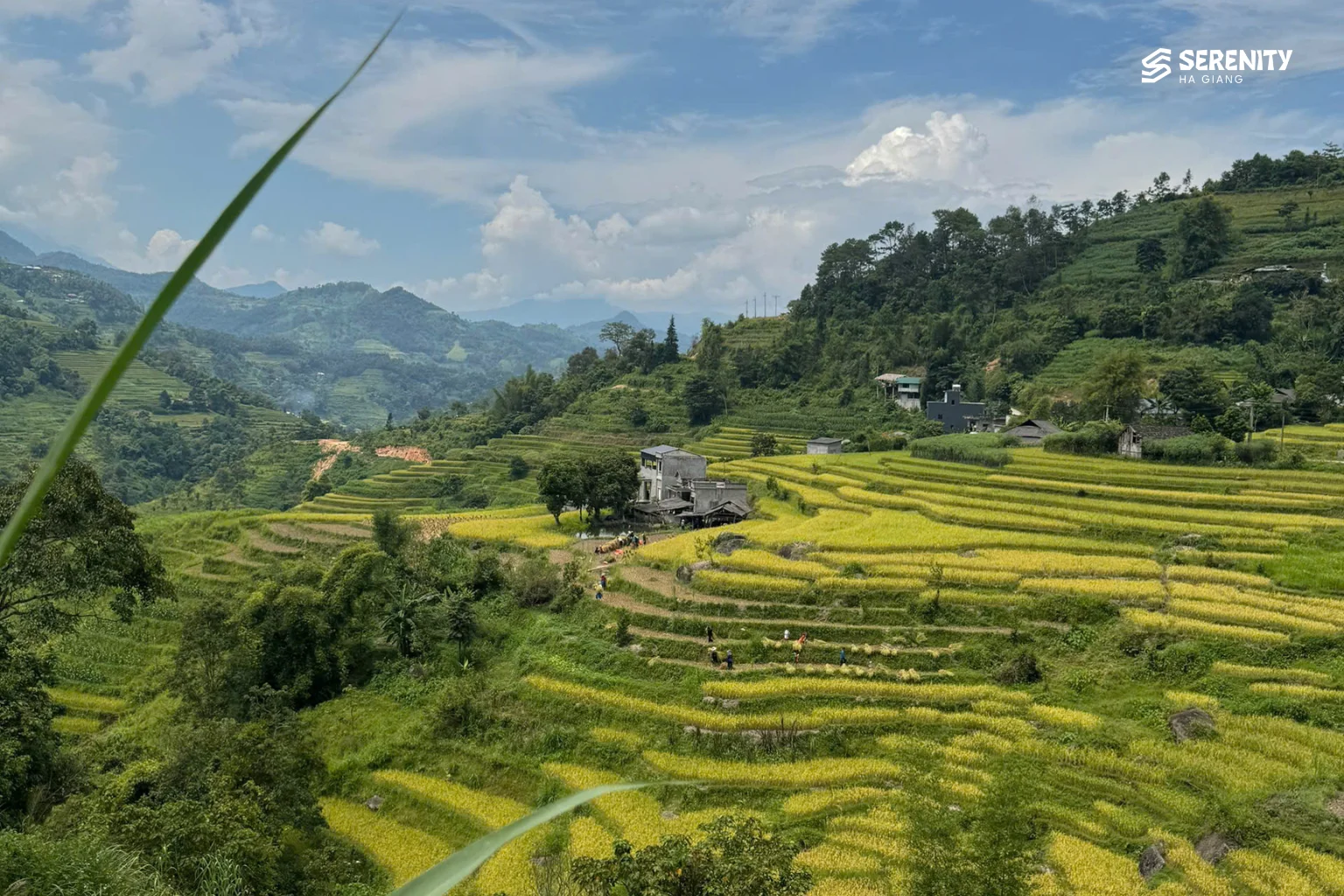
🌾 Golden harvest season
- Time range (est.): Mid-September to Mid-October
- Terrace stage: Golden rice, harvest
- The experience: Enormous terraced hillsides meticulously carved out over centuries in deep yellow before the harvest (Top viewpoints: Ban Phung, Ban Luoc)
- Best activities: Ridge trekking, landscape photography, stay with local families to watch traditional hand-threshing and taste fresh green rice (cốm)
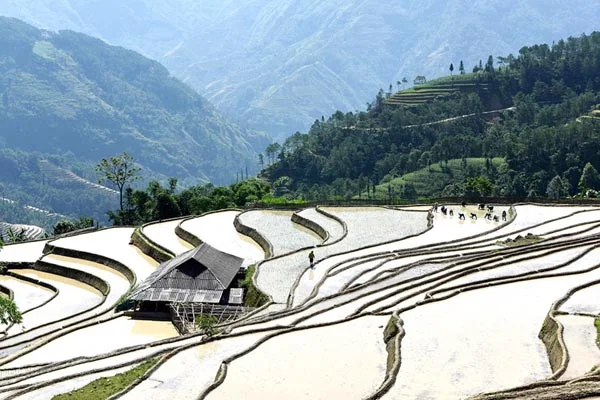
💦 Water-pouring season
- Time range (est.): May-June
- Terrace stage: Flooded “mirror” terraces
- The experience: Before planting a new crop, local ethnic farmers channel water down from the forested mountain peaks to flood the terraces. Heavy rains flood the dry mud steps, transforming the mountains into giant, sky-reflecting mirrors.
- Best activities: Reflection photography (shoot high-contrast sunrise and sunset reflections on the flooded slope), join local ethnic farmers in the fields for traditional plowing and rice planting as a volunteer.
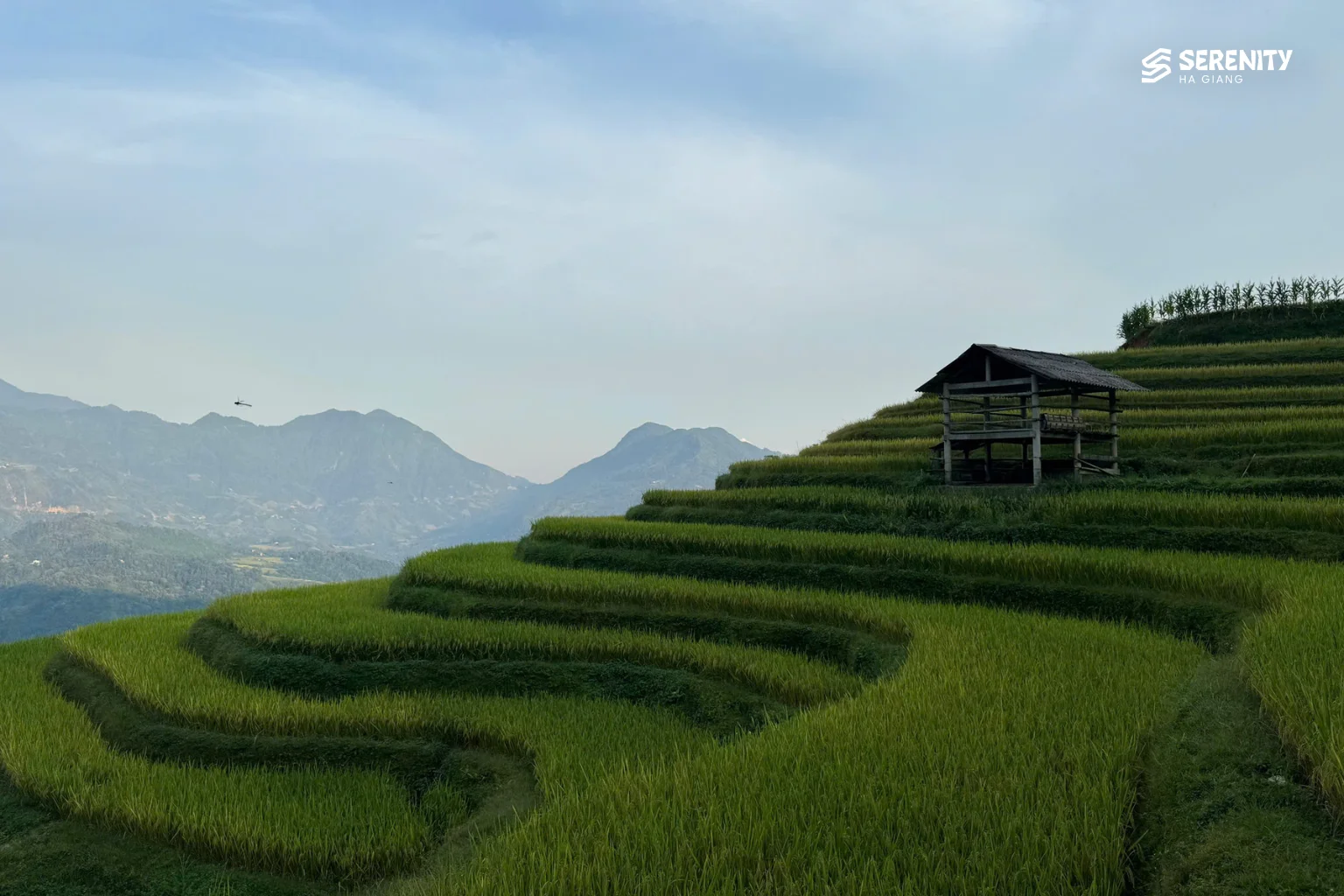
🌱 Lush green velvet season
- Time range (est.): July – August
- Terrace stage: Young green rice
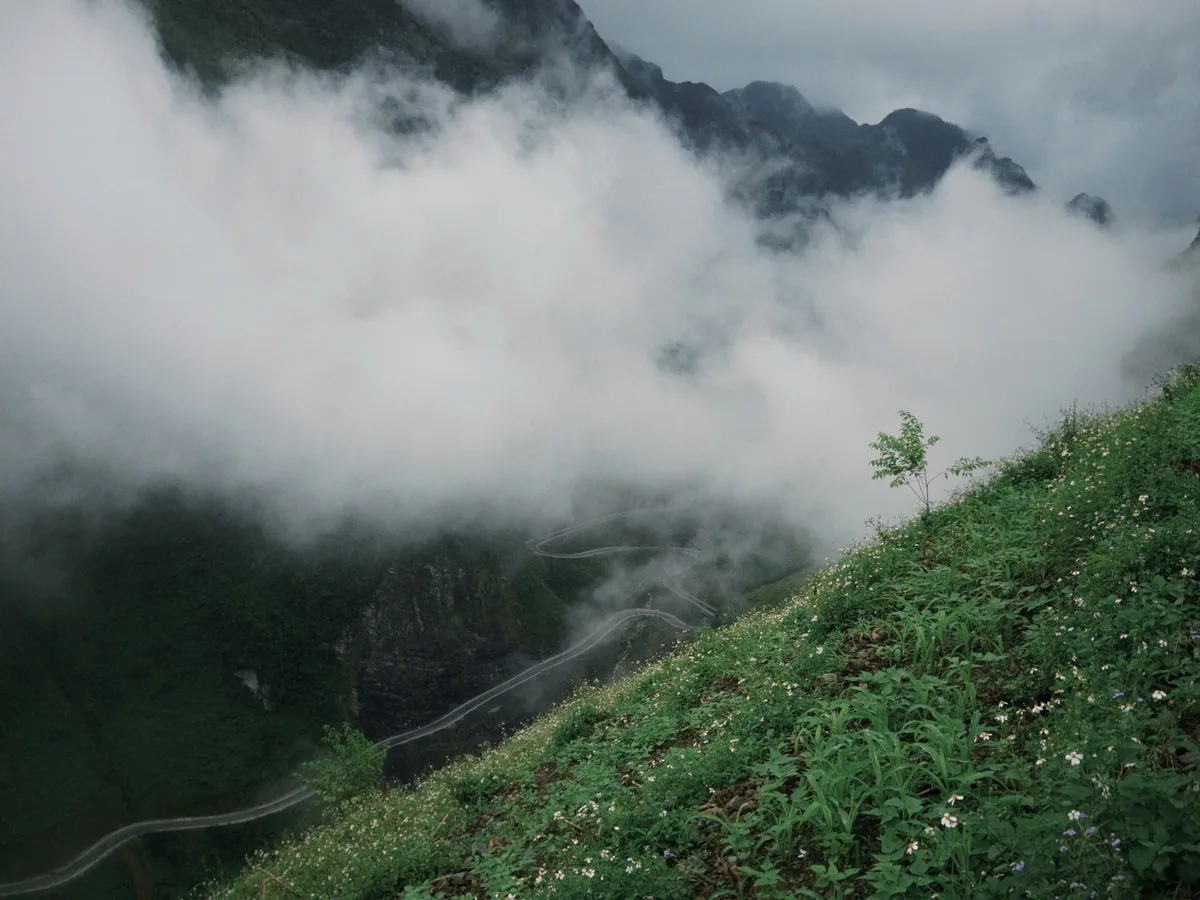
- The experience: As the young crop takes root, the entire district transforms into a vibrant ocean of glowing, velvet emerald greens. The summer heat brings dramatic mountain mists that roll quickly through the valleys, creating a highly cinematic, moody atmosphere where the green hills seem to fade endlessly into the horizon.
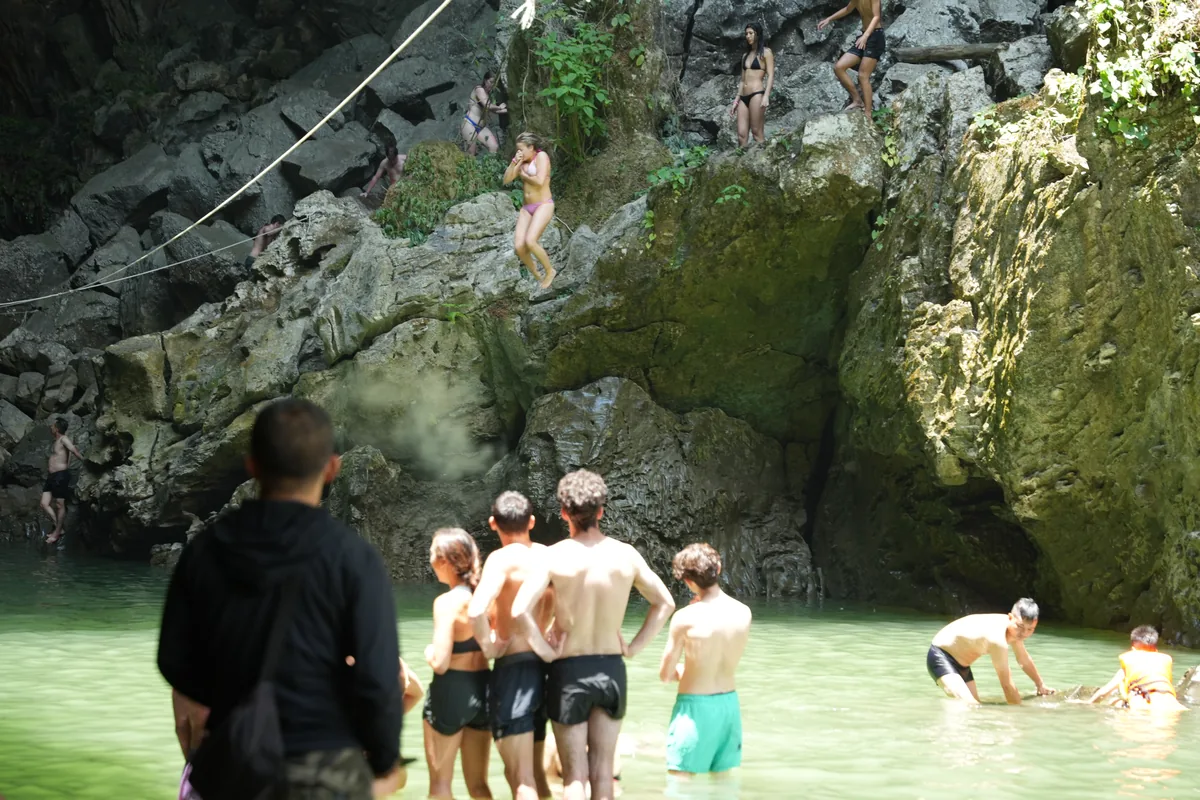
- Best activities: Wild swimming, riding motorbikes through the mountain passes, or trekking the forest.
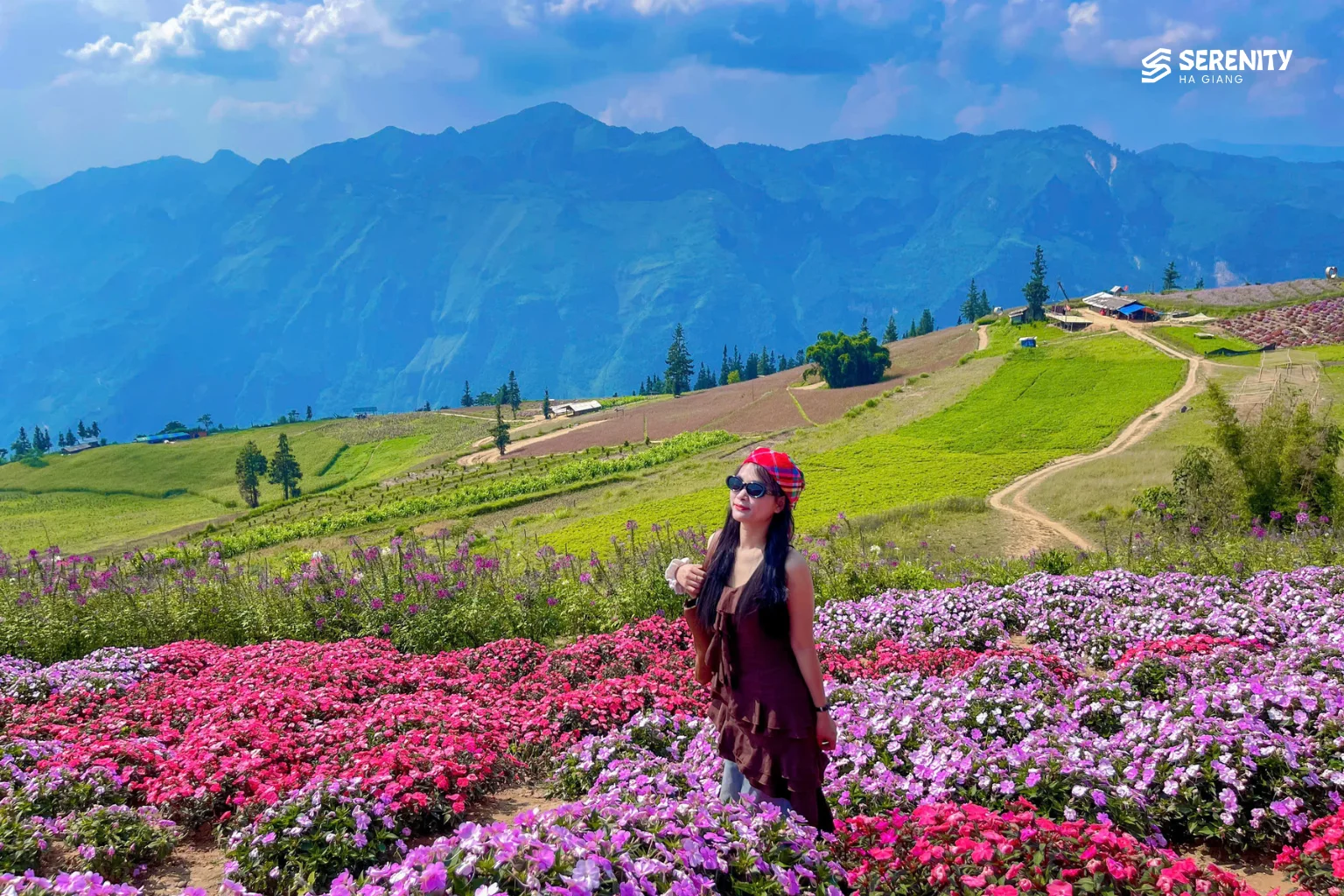
☁️ Buckwheat Bloom & Cloud Hunting
- Time range (est.): November – December
- Terrace stage: Bare terraces, cloud seas on peaks
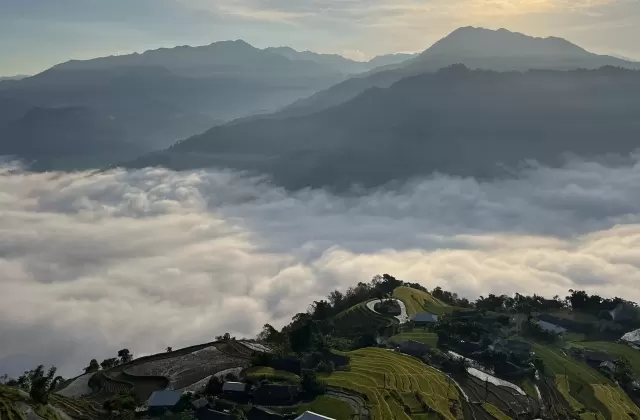
- The experience: Once the harvest is over, everything quickly recovers as delicate blankets of pink and white buckwheat flowers bloom across the valley floors. The weather shifts to a crisp, cold winter chill. Heavy morning fogs settle deep into the ravines, leaving the highest mountain peaks piercing straight through a thick, shifting ocean of pure white clouds.
- Best activities: Camping at a mountain hut on Chieu Lau Thi or Tay Con Linh, tasting the ancient Shan Tuyet tea, or walking and taking pictures of the flower fields.
🌸 Spring Blossoms & Tribal Festivals
- Time range (est.): January – March
- Terrace stage: Dormant stage.
- The experience: Spring brings a massive burst of cultural life and color. The misty, cool valleys light up with the soft pastels of blooming wild peach, plum, and pear blossoms surrounding the rustic wood cabins. It is a time of rest and celebration for the ethnic minority communities, making it the absolute best window to experience authentic highland traditions.
- Best activities: Enjoy the festival with the sacred “Fire Dancing” ritual of the Red Dao People, or join the vibrant Gau Tao spring festival of the Hmong. You can also go shopping in the highland market.
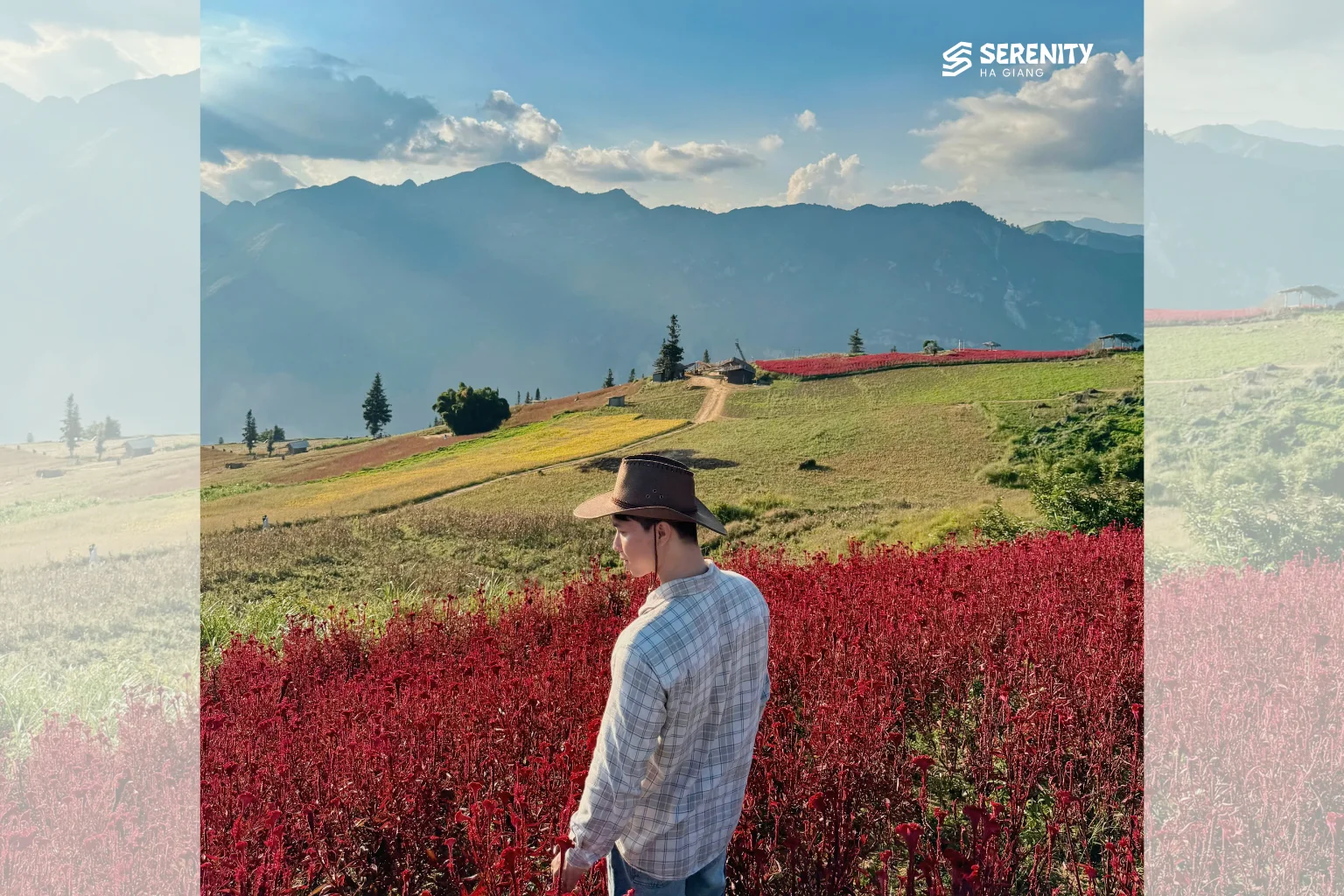
How to get to Hoang Su Phi?
There are two routes that you can choose from: get to Hoang Su Phi from Hanoi, travel via Ha Giang City/ or drive directly through National Highway 2. The total distance is ~300 km, taking around 6-8 hours.
2 route options to Hoang Su Phi:
Route 1: Via Ha Giang City (Most Popular)
- Leg 1 (Hanoi to Ha Giang City): Take a sleeper bus, limousine, or personal car from Hanoi (often departing from My Dinh Bus Station or the Old Quarter) to Ha Giang City. This takes about 5.5 to 6.5 hours.
- Leg 2 (Ha Giang City to Hoàng Su Phì): From Ha Giang City, travel about 80-100 km (roughly 2 to 3 hours) by local bus, taxi, rented motorbike, or private transfer.
- Motorbike path: Follow National Highway 2 to Tân Quang junction, then turn onto ĐT177 (ĐT177 road leads directly into Hoàng Su Phì past Thống Nguyên). An alternative mountain route passes through the Thanh Thủy border gate and Tây Côn Lĩnh.
Route 2: Direct Drive / Private Car
- Drive directly from Hanoi via the Noi Bai-Lao Cai expressway and National Highway 2 toward Tân Quang, then take DT177.
- Total driving time is around 6 to 7 hours.
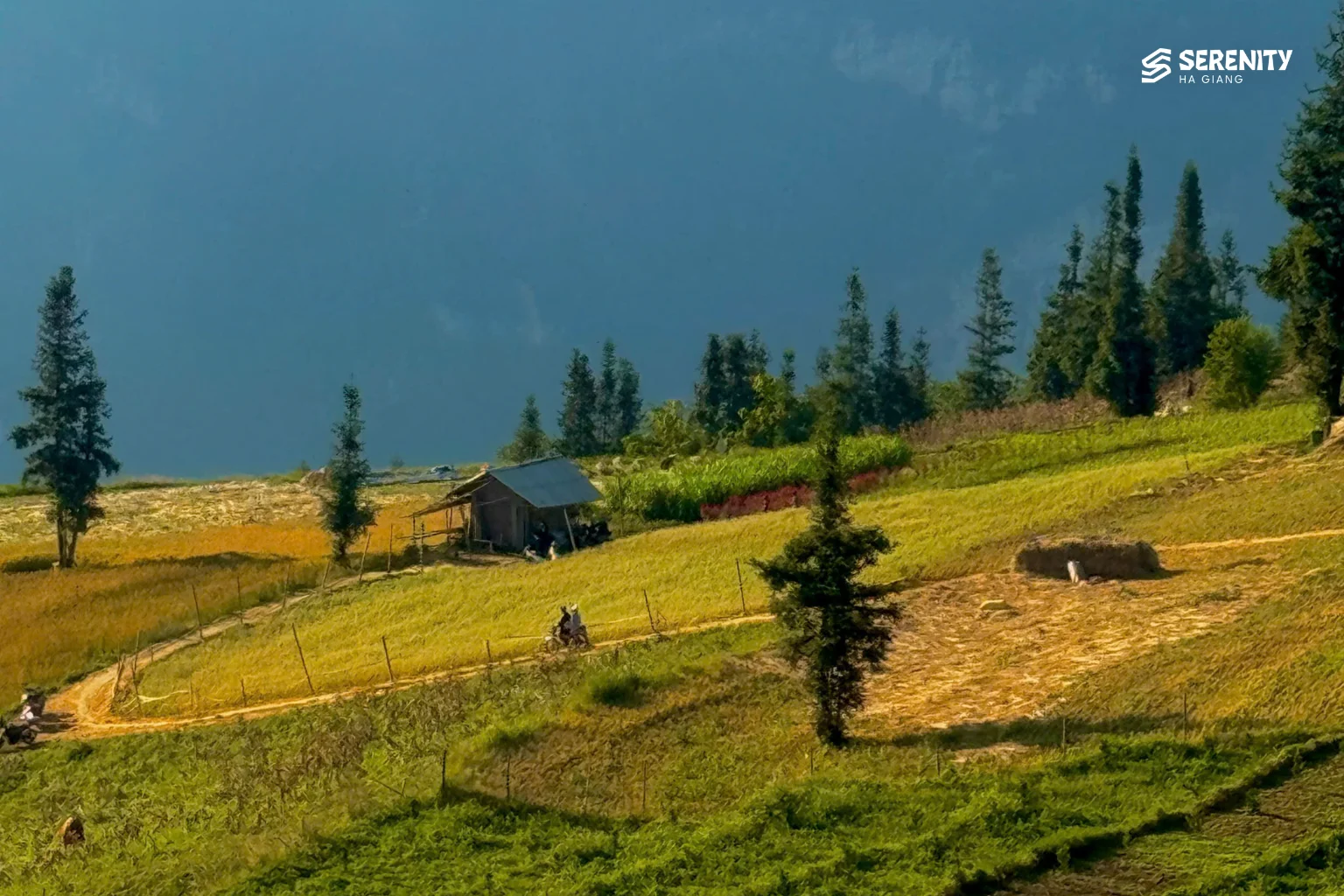
What are the transportation choices to get to Hoang Su Phi?
3 most popular modes of transportation that can bring you to Hoang Su Phi from Hanoi or Ha Giang city:
| Option | How it works | Who should choose it? |
| 🚌 Limousine / Sleeper Bus | Take a luxury van or sleeper bus from My Dinh Bus Station or Hanoi Old Quarter to Ha Giang City or Tan Quang junction, then switch to a local taxi or lodge shuttle. | Solo travelers, couples, and budget-conscious tourists who want a safe, comfortable, and affordable ride. |
| 🚗 Private Car & Driver | A dedicated vehicle picks you up anywhere in Hanoi (or the airport) and drives you directly to your accommodation. | Families, groups, and those with heavy luggage prioritizing maximum convenience, direct routing, and schedule flexibility. |
| 🏍️ Motorbike (Self-Drive or Easy Rider) | Rent a bike in Hanoi/Ha Giang to ride yourself, or hire a local “Easy Rider” guide to drive you on the back of theirs. | Experienced riders and adventure seekers who want an immersive, scenic mountain experience. |
Read our guide about How to travel to Ha Giang if you need more in-depth guidance.
Where to see the rice terraces in Hoang Su Phi?
Hoang Su Phi’s terraces are spread across many valleys, so choose one or two areas rather than trying to see everything. The descriptions below use the old area names travelers search for, with the current commune in brackets:
- Thong Nguyen (Thong Nguyen commune): Thong Nguyen is the easiest base: it sits on the road between Bac Quang and Vinh Quang and has the most homestays and bungalows. Extensive terraces line the valley, and Thong Nguyen works well for a first visit.
- Nam Khoa and Khoa Ha (Ho Thau commune): Close to Thong Nguyen, Nam Khoa has terraces spread across nine villages. Khoa Ha village is known for terraces that curve in a near-circular pattern. Most visitors stay in Thong Nguyen and visit Nam Khoa as a day trip.
- Ho Thau (Ho Thau commune): Ho Thau is a Red Dao area where farmers leave strips of forest around the fields to hold the slopes against landslides. Ho Thau is also the approach to Chieu Lau Thi peak. Accommodation is scarce.
- Ban Luoc (Hoang Su Phi commune): Ban Luoc sits close to Vinh Quang town, with terraces farmed mainly by Dao and Tay families. Ban Luoc is often ranked as the best terrace area in Hoang Su Phi after Ban Phung.
- Ban Phung (Ban May commune): Ban Phung is near the Chinese border, about 90 minutes from Vinh Quang on a winding pass. Ban Phung’s terraces are among the highest in the area. Homestays are few and basic.
- Nam Ty (Nam Dich commune): Nam Ty lies along the main road, so Nam Ty’s Red Dao terraces are easy to see from a car or motorbike. Nam Ty is better as a stop than a base.
- Tay Con Linh and Chieu Lau Thi: For mountain hikers, two peaks rise above the terraces. Tay Con Linh reaches 2,419 m and is considered sacred by the La Chi people. Chieu Lau Thi, also spelled Kieu Lieu Ti, reaches 2,402 m, sits about 42 km from Vinh Quang, and grows high-altitude Shan Tuyet “snow” tea. Both climbs are long and steep; go with a local guide.
How many days do you need in Hoang Su Phi?
You need at least 2 full days in Hoang Su Phi to explore one area, or two neighbouring areas such as Thong Nguyen and Nam Khoa. Add half a day or more for the journey in each direction. Seeing several communes takes 3-4 days.
Traveler scenarios:
- Photographer chasing golden rice, 3 days: base in Thong Nguyen, add Nam Khoa, and schedule viewpoints for early morning and late afternoon.
- Ha Giang Loop rider with 2 extra days: finish the loop in Ha Giang city, then ride DT177 to Thong Nguyen and back. Use the Ha Giang Loop itinerary to decide whether Hoang Su Phi goes before or after the loop.
- Trekker in March or April: skip the rice calendar, book a multi-day trek with homestay nights, and consider a guided climb of Tay Con Linh.
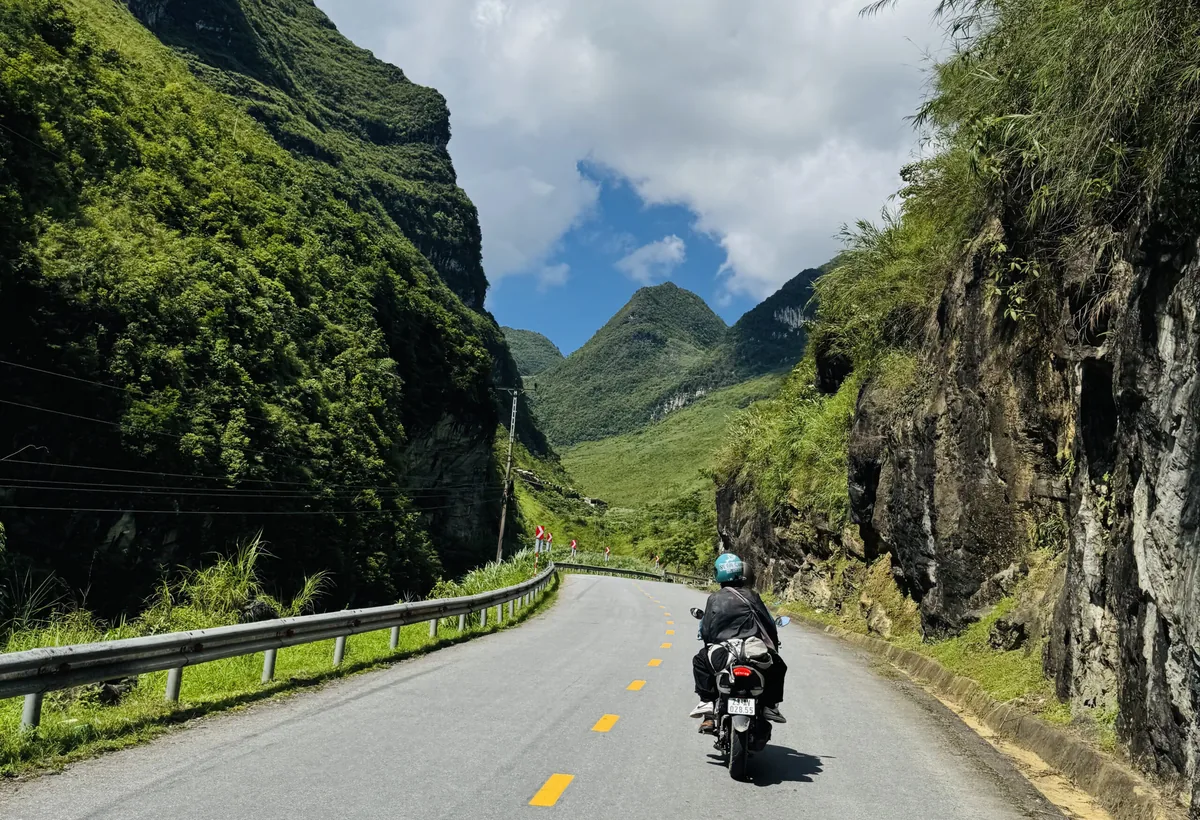
- Nervous about mountain roads: take a private car rather than riding; DT177 has narrow, winding sections.
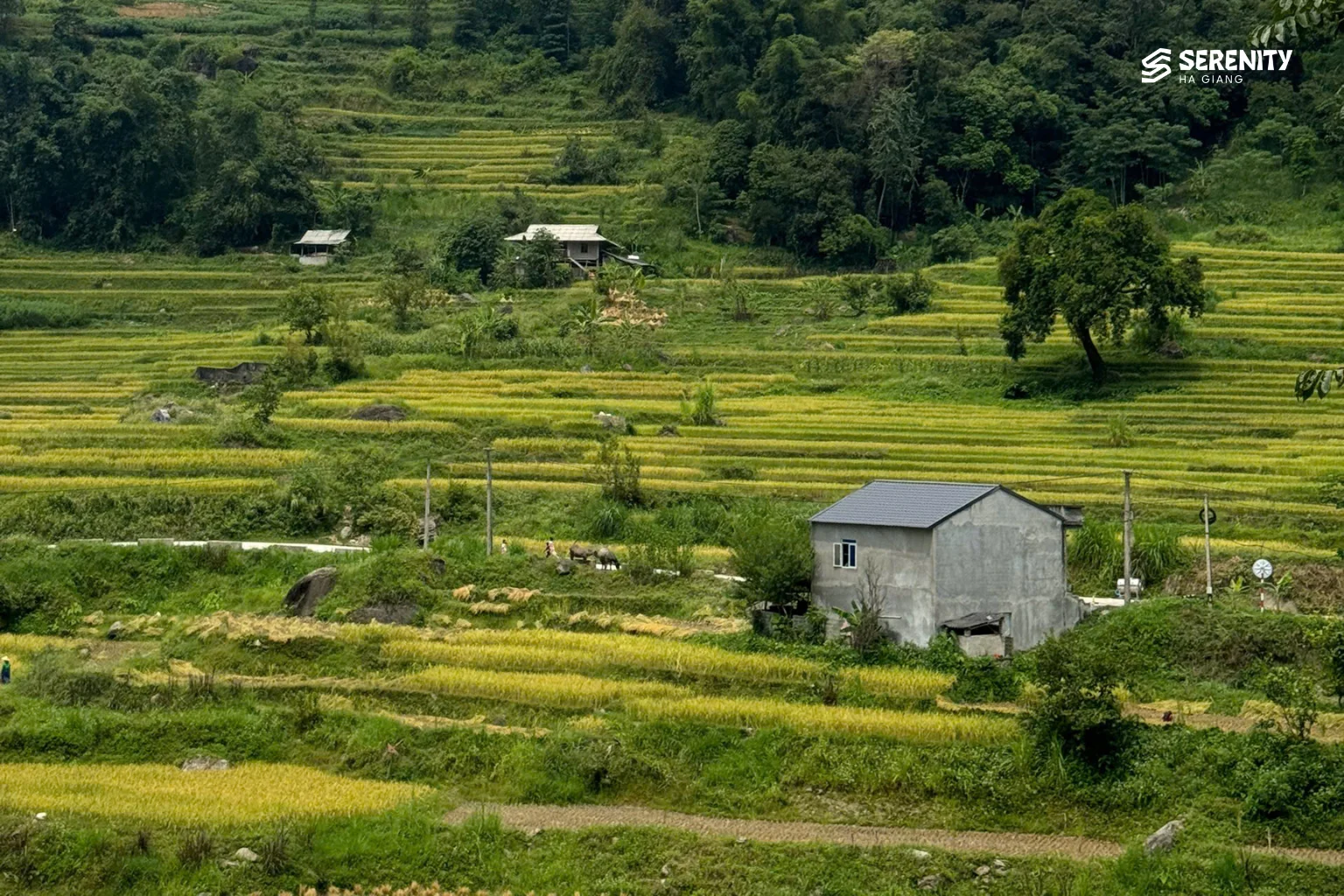
Safety and practical risks in Hoang Su Phi
Rain is the main risk. June, July, and August bring the heaviest rain, and Vietnamese news outlets have reported flash floods and landslides on Hoang Su Phi roads during June storms. During the rainy months, build in a buffer day and check road status with your homestay each morning. General road guidance for the region is in Ha Giang Loop safety.
The bottom line
Hoang Su Phi asks for a little more planning than most places in northern Vietnam, but it gives a great deal back. Time your visit around the rice and the hillsides change from one month to the next: water-filled terraces catch the sky in May, the fields stay deep green through the wet summer, and by late September whole valleys turn gold for only a few weeks before the harvest. Because Hoang Su Phi sits apart from the Ha Giang Loop, it deserves its own 2–4 days, and in return you get quiet mornings above the terraces and villages where farming still sets the pace of the day.
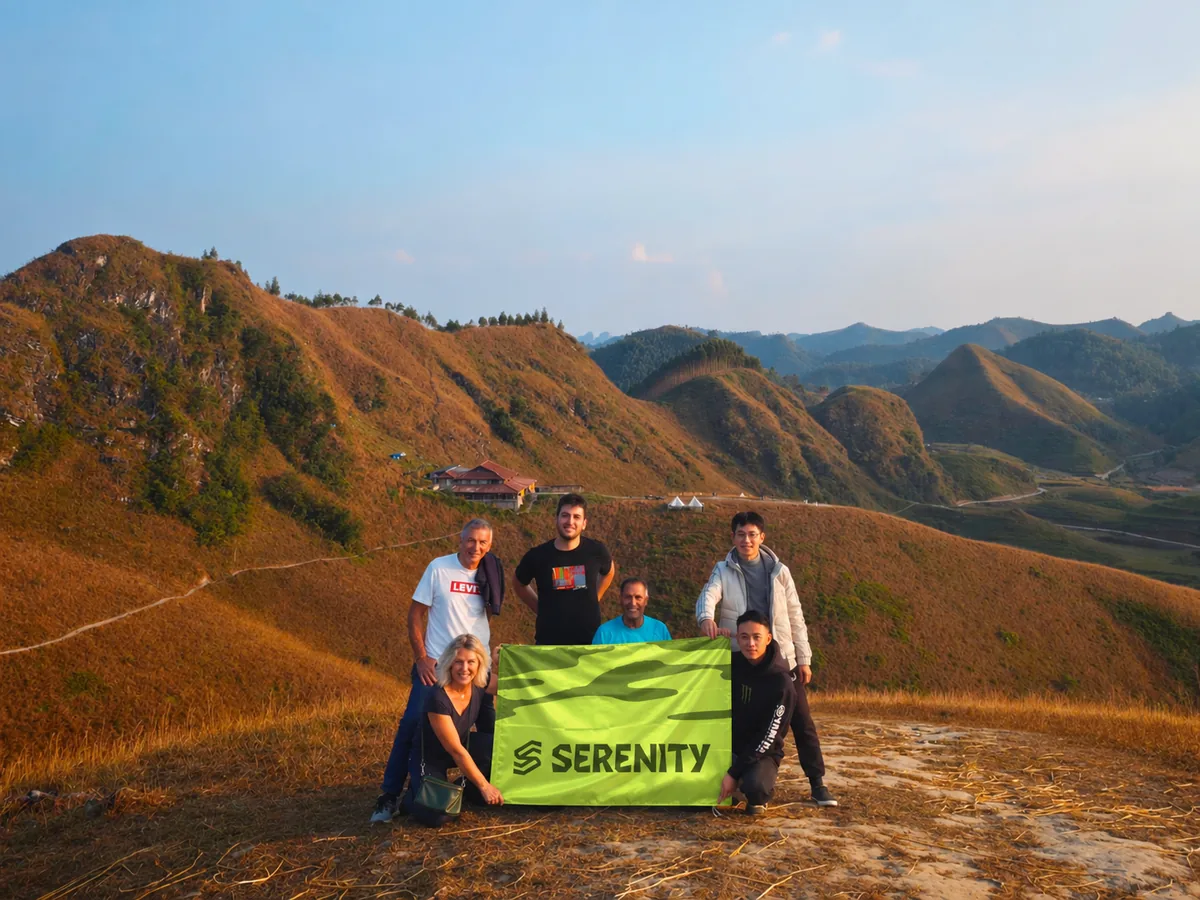
If you would rather enjoy the golden season than spend it arranging drivers, guides and homestays, Serenity Ha Giang’s 3-day, 2-night Hoang Su Phi tour runs in September and October and follows much of the route in this guide. You can ride pillion with an easy rider or drive yourself; groups travel with a local guide and are capped at 10 people, at reasonable prices, including sleeper buses, meals, the guide and travel insurance. Outside the rice season, the Ha Giang Loop tour is the year-round way to see the eastern half of the province.
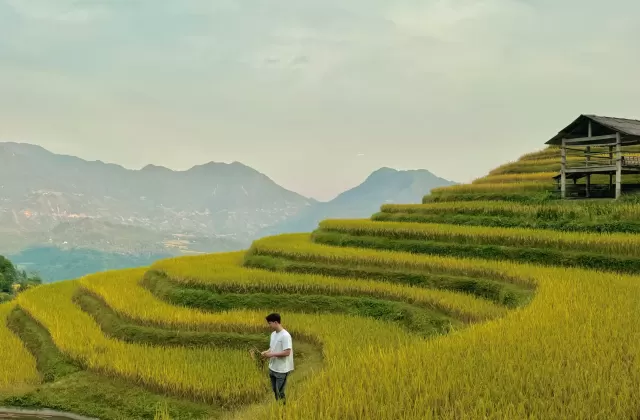

POPULAR TOUR
Hoang Su Phi Golden Rice Season 3D2N
The gold-terrace season in the west of Ha Giang, away from the stone plateau, with grasslands, waterfalls and quiet villages most travelers never reach.
POPULAR TOUR
Hoang Su Phi Golden Rice Season 4D3N
Ride the west of Ha Giang when the rice runs from green to gold, sleeping in private homestays and watching the light move across terrace after terrace.
01 / 02
FAQ about Hoang Su Phi
Q: Do foreign tourists need a border permit to visit Hoang Su Phi?
Mainstream tourism hubs like Thong Nguyen, Nam Khoa, and Ban Luoc do not strictly inspect entry permits. However, if your itinerary includes Ban Phung or Thang Tin communes (which lie directly along the international border line with China), foreign nationals must carry their original passport and may be asked for a standard Vietnam Border Area Entry Permit (approx. 250,000 VND), obtainable via local police stations or arranged in advance by your tour operator.
Q: Does it snow in Hoang Su Phi?
Snow is rare in the valleys, but ground frost and occasional sub-zero summit snow dustings occur atop Tay Con Linh (2,419m) and Chieu Lau Thi (2,402m) between late December and January. Hikers tackling winter summit treks must carry professional thermal mountain gear.
Q: What local food should I try in Hoang Su Phi?
Local specialties include rice cooked inside bamboo tubes, hill chicken, black pig, and stream fish. Corn wine is the local drink, and it is strong. Hoang Su Phi is also known for dark red “blood plums” (mận máu) when in season.
Q: Do I need to book homestays early for the golden rice season?
Yes. Vietnamese travel coverage advises booking early for the golden season, when domestic visitors arrive in large numbers. Rooms with direct terrace views are the first to go, so book as soon as your dates are fixed.
Q: Can I continue from Hoang Su Phi to Bac Ha or Sapa instead of going back to Ha Giang?
Yes, some Vietnamese tour itineraries continue west from Hoang Su Phi to Bac Ha in Lao Cai province, then return to Hanoi on the Lao Cai-Hanoi expressway. This route suits travelers combining Hoang Su Phi with Bac Ha market or Sapa. Agree on the full one-way route and drop-off point with the driver before departure.
Q: Can you trek Hoang Su Phi’s rice terraces independently without a guide?
Independent trekking is not recommended. Unlike Sapa, Hoang Su Phi has virtually no marked trail signs, no English directional boards, and mobile cellular signals drop frequently in deep valleys. Furthermore, hiking paths cross working farmland and active irrigation sluices where navigating without local knowledge risks damaging community crops or getting lost across steep ravine cliffs. Hiring a local village guide or booking a guided trek ensures safety and authentic cultural interactions.