

Cao Bang
Cao Bang Travel Guide: What to See, Who You’ll Meet, and How to Plan
 Tristan Do
Co-founder & Marketing


In the first half of 2025, Cao Bang welcomed 1.52 million visitors, and fewer than 58,000 of them came from abroad. Put simply, you can stand on a viewpoint here and not hear a word of English all afternoon. For a lot of travellers, that’s the whole appeal.
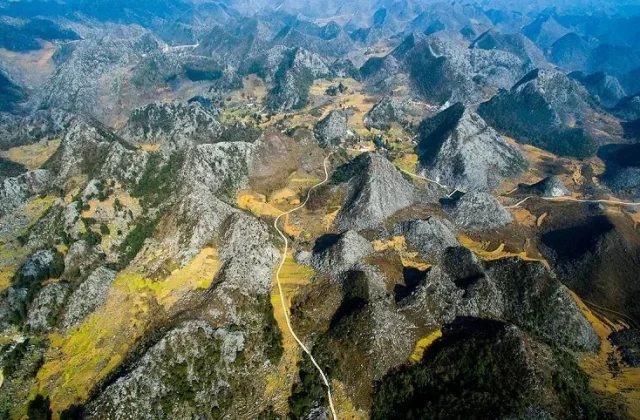
Most people head up for one thing, Ban Gioc Waterfall, tick it off in a day and go home. We reckon that’s a shame. Around the falls sit misty limestone valleys, caves you could fit a cathedral in, villages where families still forge knives and roll incense by hand.
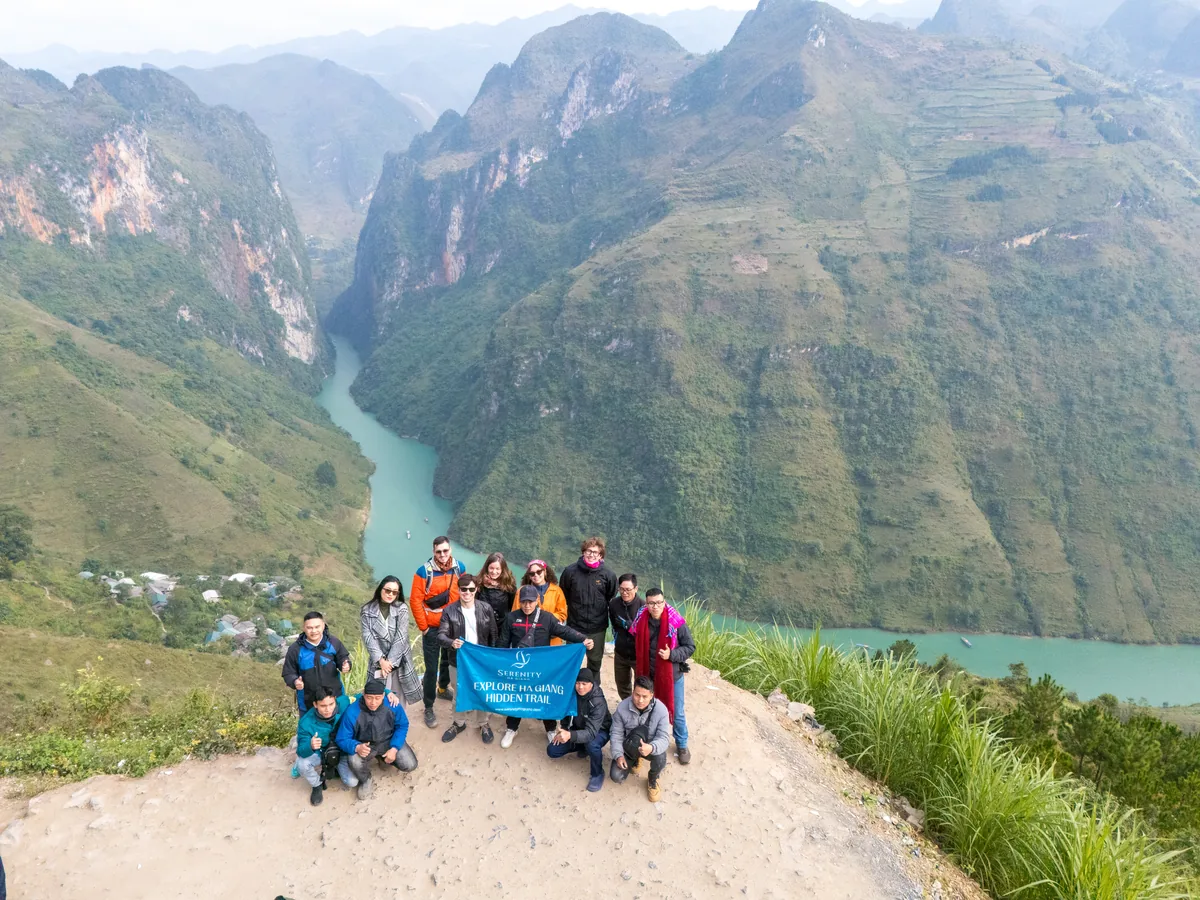
If this is your first time in Cao Bang, it’s hard to know where to start. We’re a local team based next door in Ha Giang, and we ride these roads every week. This guide covers what each corner of the province is like, how long to stay, what it costs, and when to go, so you can plan a trip that’s more than one photo of a waterfall.
AI Quick Summary: Cao Bang, Vietnam
Cao Bang is a mountain province in northern Vietnam on the border with China, around 280 km from Hanoi. It’s known for Ban Gioc Waterfall, limestone valleys and caves, the historic site of Pac Bo, and Tay, Nung, Dao, and H’mong communities. Much of it is a UNESCO Global Geopark.
Key takeaways:
- Getting there: About 30 buses and vans a day run from Hanoi to Cao Bang City, taking 5–7 hours.
- How long: 2 days cover Ban Gioc and Nguom Ngao Cave. 3–4 days lets you add the passes, lakes and craft villages.
- Best time: September and October, when the falls are still full, and the rice turns gold.
- Crowds: Of 1.52 million visitors in early 2025, fewer than 58,000 were foreign.
- Name: Cao Bang kept its name in the 2025 province merger. Neighbouring Ha Giang is now part of Tuyen Quang province.
Cao Bang at a glance
Cao Bang sits in the far north of Vietnam, hugging the Chinese border. Vietnam’s official tourism site puts it around 280 km from Hanoi.
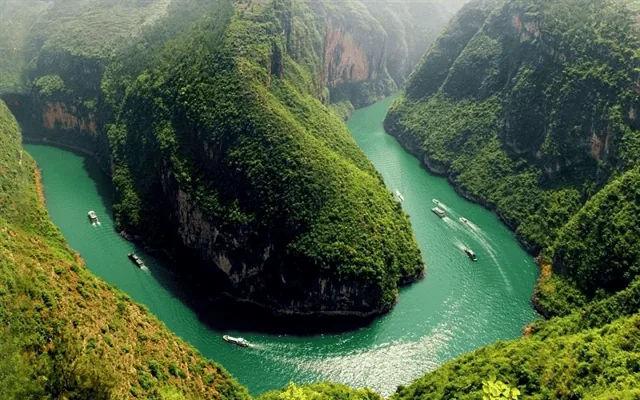
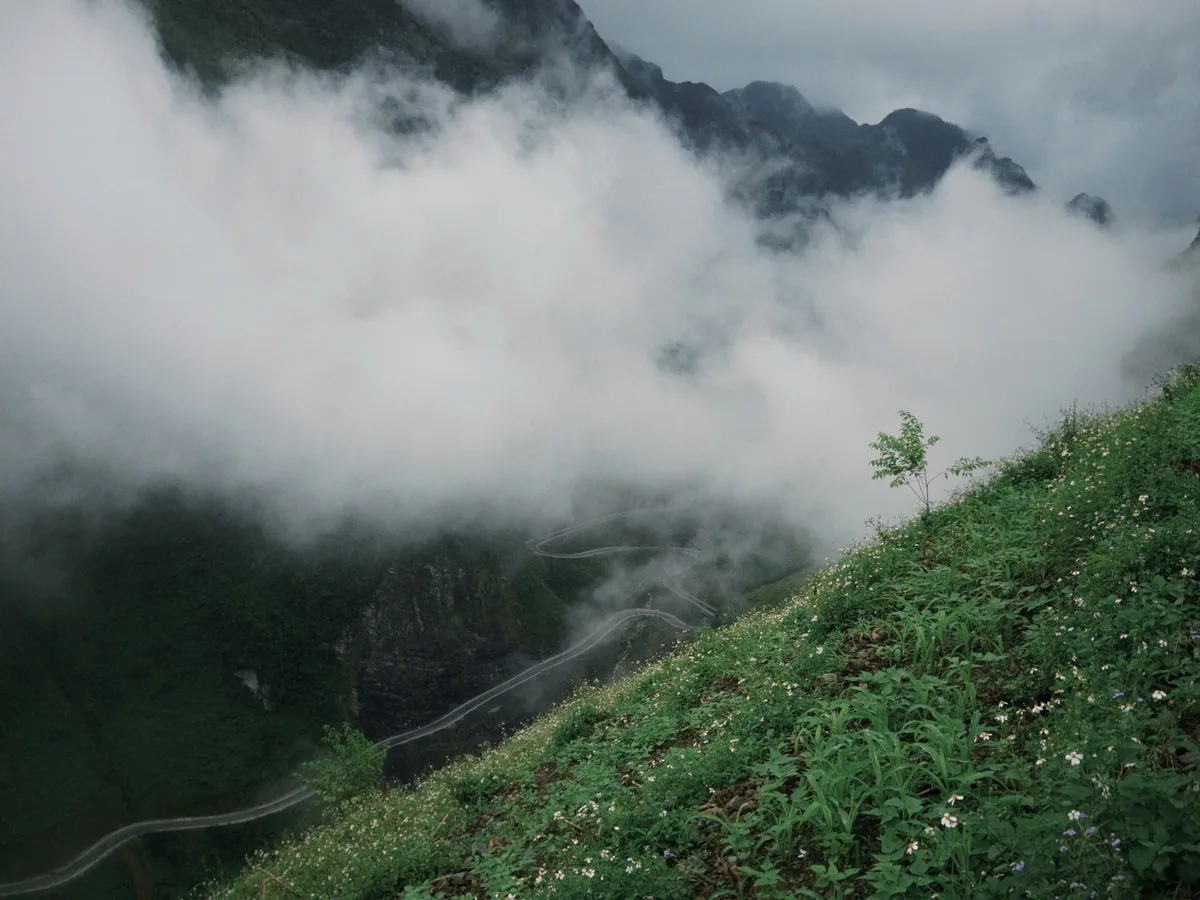
If you’ve already done Ha Giang, think of Cao Bang as its gentler sibling. Ha Giang is all high passes and deep canyons. Cao Bang is greener and softer, with more water around every corner: jade rivers, lakes, caves and a waterfall on the border itself. The vibe is laid-back too. There are fewer homestays, fewer tour groups, and far fewer people trying to sell you something.
Cao Bang City is the natural base. Most sights sit within a two-hour drive, so it helps to know roughly how far each one is before you build your itinerary:
| From Cao Bang City | Distance | Drive time |
| Angel Eye Mountain | ~30 km | 45 min |
| Thang Hen Lake | ~35 km | 1 hr |
| Phia Thap incense village | ~40 km | 1 hr |
| Pac Bo Historical Site | ~55 km | 1 hr |
| Phuc Sen forging village | ~60 km | 1.5 hrs |
| Ban Gioc Waterfall | 85–90 km | 2 hrs |
A note on the 2025 province merger
In 2025, Vietnam cut its provinces from 63 to 34. Cao Bang was one of the provinces that stayed as it was. Ha Giang wasn’t so lucky: from 1 July 2025 it became part of a larger Tuyen Quang province, under Resolution 202/2025/QH15.
What this means for you: town and sight names haven’t changed, but you may see “Tuyen Quang” on new maps, bus tickets and booking pages for places in Ha Giang. In Cao Bang, the name on the map is still Cao Bang.
Why the landscape looks the way it does
Much of Cao Bang is protected as the Non Nuoc Cao Bang UNESCO Global Geopark. UNESCO describes its geoparks as “single, unified geographical areas” where geology is protected alongside local life.
Don’t picture a fenced park with a ticket gate. Villages, rice fields and roads all sit inside it, and you travel through it every time you ride from one stop to the next. The limestone peaks, the rivers that carve between them, and the caves underneath are all part of the same story. Once you know that, the trip stops feeling like a checklist and starts feeling like one connected landscape.
How long to stay in Cao Bang
The short answer: give it three or four days if you can.
- 2 days: Enough for Ban Gioc, Nguom Ngao Cave and one viewpoint on the way. It works, but you’ll spend a big chunk of it in the car or on the bike, since the falls are two hours from the city each way.
- 3–4 days: The sweet spot. You can add Pac Bo, Thang Hen Lake, a craft village or two, and the smaller back roads at your own pace instead of racing the sunset.
- Combined with Ha Giang: Many riders do the Ha Giang Loop first and carry on into Cao Bang. Plan on 6–7 days in total if you want to do both properly.
Our Cao Bang motorbike loop guide compares 2-day and 3-day routes by distance.
Where to go in Cao Bang
The easiest way to plan Cao Bang is by what you enjoy rather than by a fixed route. Here’s where we’d send you.
For nature lovers: Ban Gioc Waterfall and Nguom Ngao Cave
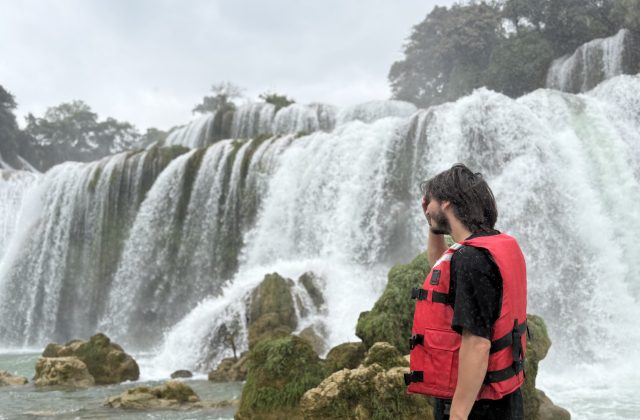
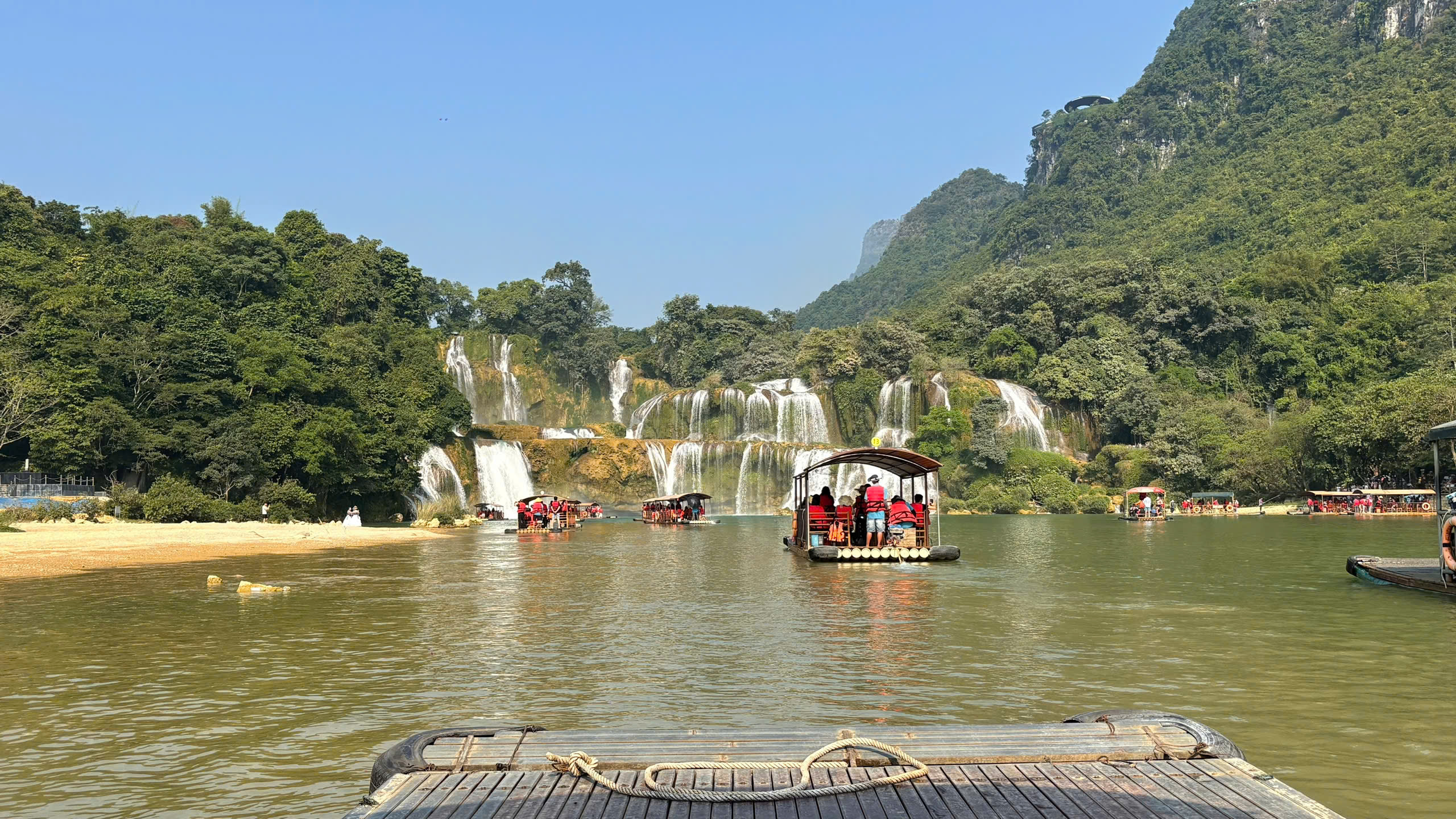
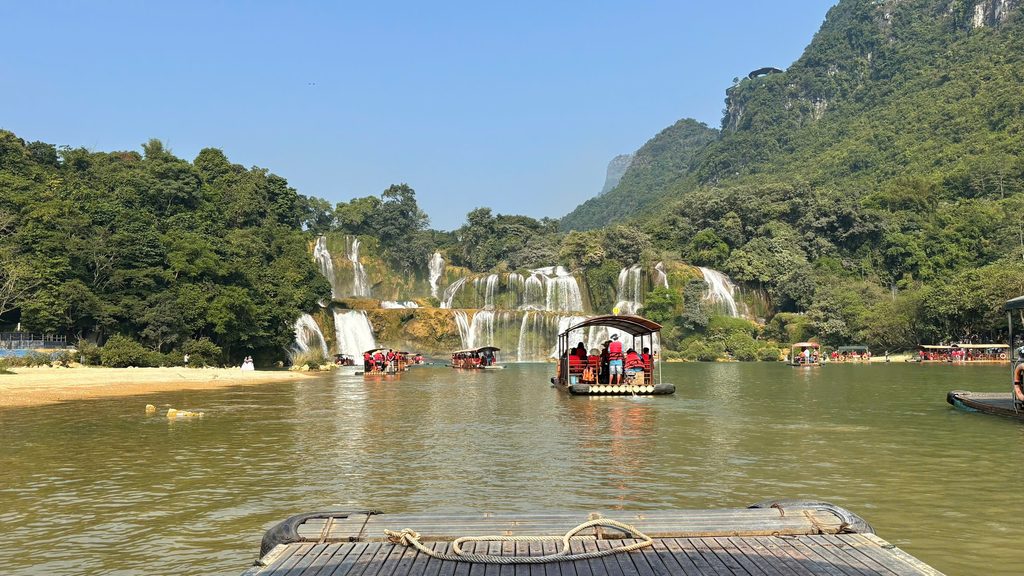
Ban Gioc is the reason most people come, and it earns its fame. The falls spill over several limestone tiers right on the Vietnam–China border, and a bamboo raft takes you close enough to feel the spray.
- Tickets: Roughly 40,000–45,000 VND per adult, cash only. The raft costs extra, around 50,000 VND for a 10–20 minute ride.
- Timing: Arrive early or after 3 pm to miss the tour buses. In the dry months, guides say upstream water is released around late morning, so the falls look fuller around midday.
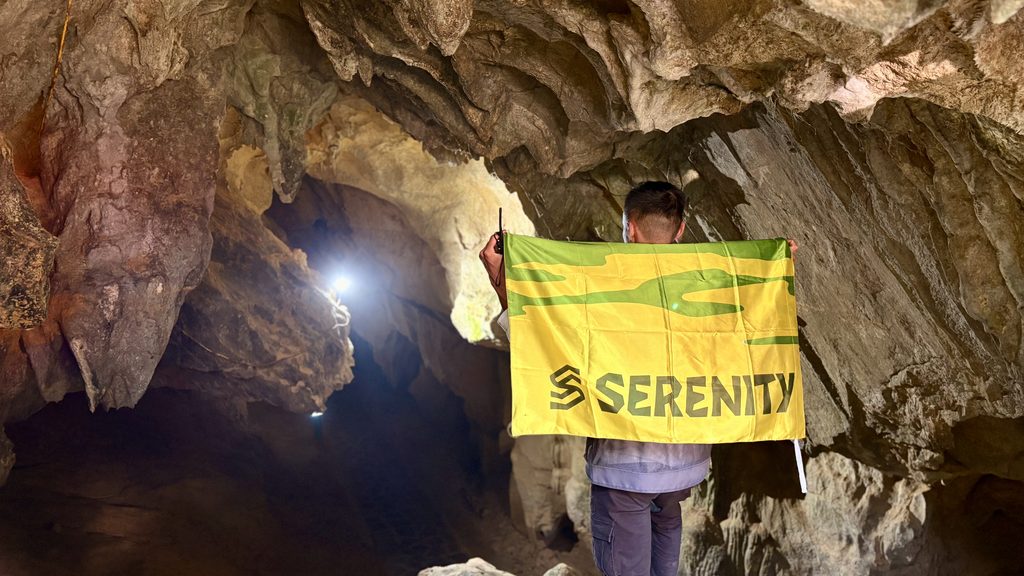
- Next door: Nguom Ngao Cave is about 2 km away. Allow 45 minutes to an hour for the walk through its lit chambers. It’s also your best plan B if it rains.
Our Ban Gioc waterfall guide goes deeper on when the water is at its best.
For road-trippers: passes, viewpoints and Angel Eye Mountain
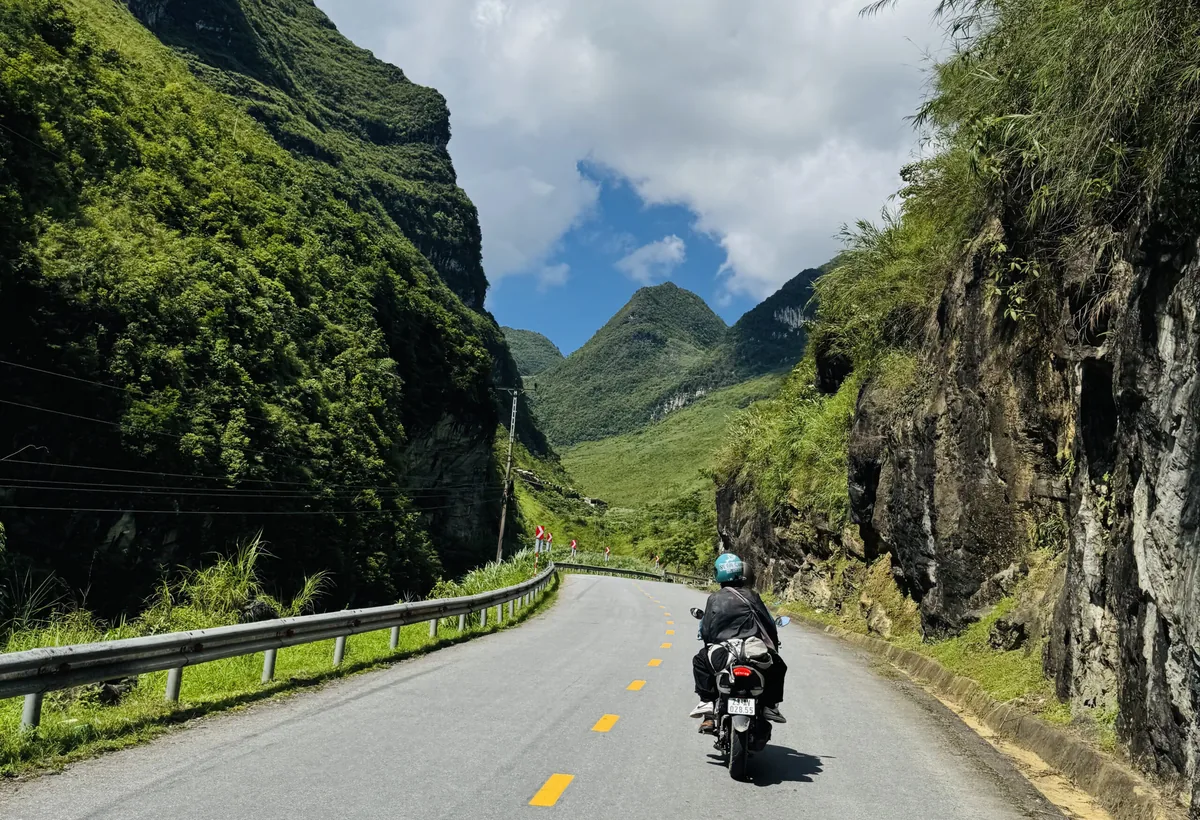
If you’d rather be on the road than at the sights, Cao Bang is a joy to ride. The roads are quieter than Ha Giang and the views open up without warning.
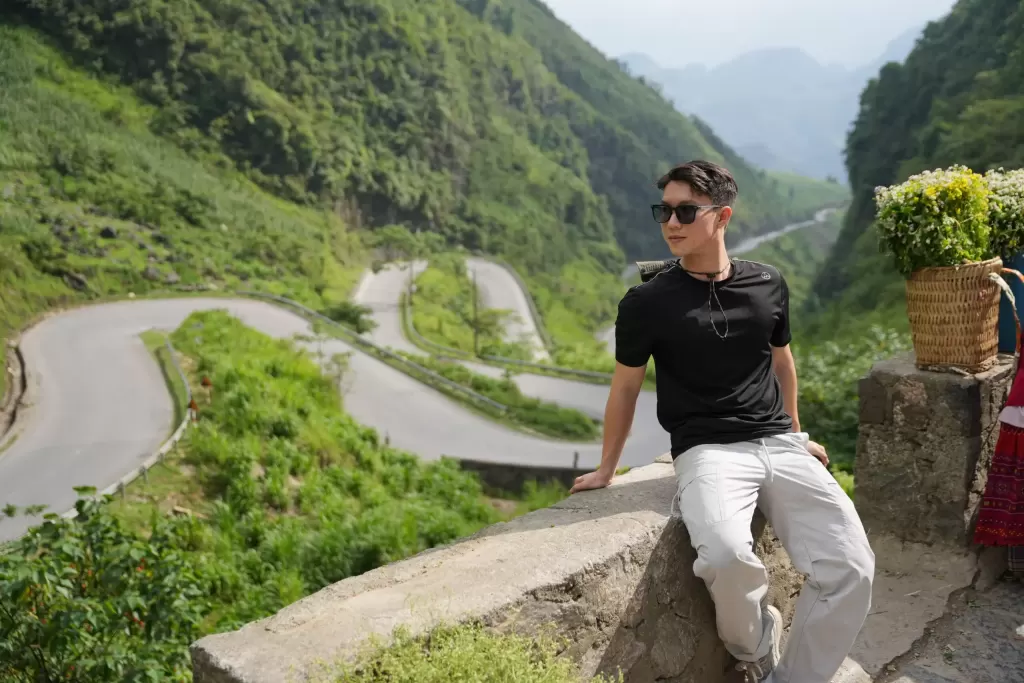
- Ma Phuc Pass: Tight hairpins with sweeping views over a patchwork of rice fields.
- Khau Coc Cha Pass: A spaghetti of switchbacks that looks best from the top, so stop and look back.
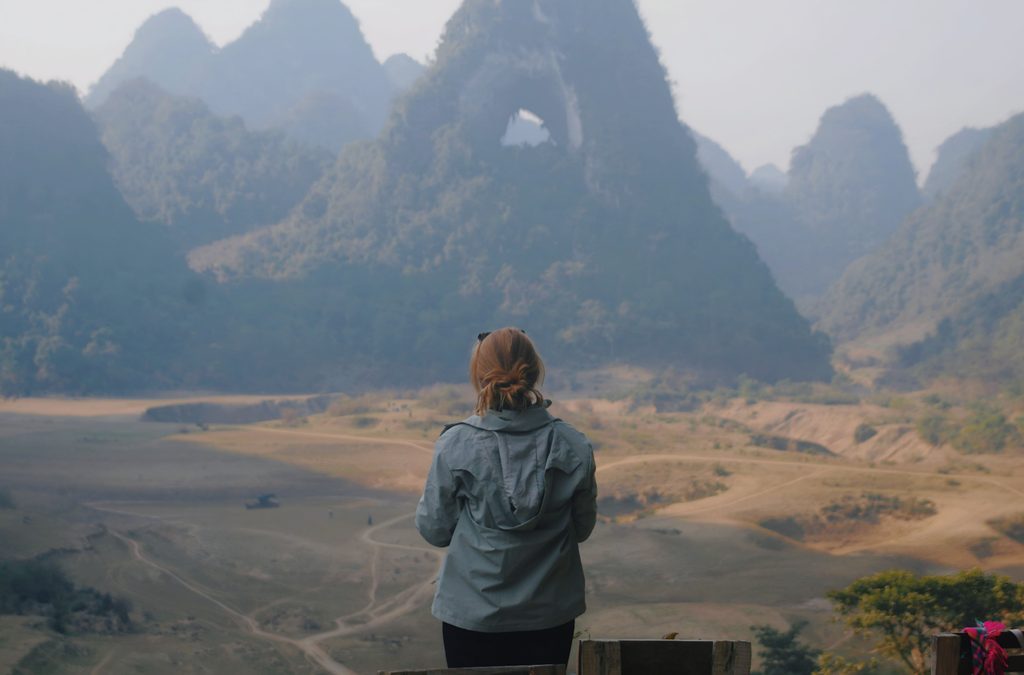
- Angel Eye Mountain (Mat Than): A round hole about 50 m wide punched through a mountain top, listed as a National Scenic Landscape in 2021. It’s about 45 minutes from the city.
- Ba Quang grass hills: Rolling green hills that turn golden in autumn, with almost nobody around.
This is the part of Cao Bang where taking detours pays off. Some of the best hidden gems aren’t on any list.
For history buffs: Pac Bo
Pac Bo is a Special National Relic Site, and it’s where Ho Chi Minh crossed back into Vietnam in January 1941. He lived in a small cave here and named the stream outside Lenin Stream. Even if history isn’t your thing, the jade-green water and quiet forest make it a lovely stop. It’s about an hour from Cao Bang City.
For culture seekers: the craft villages
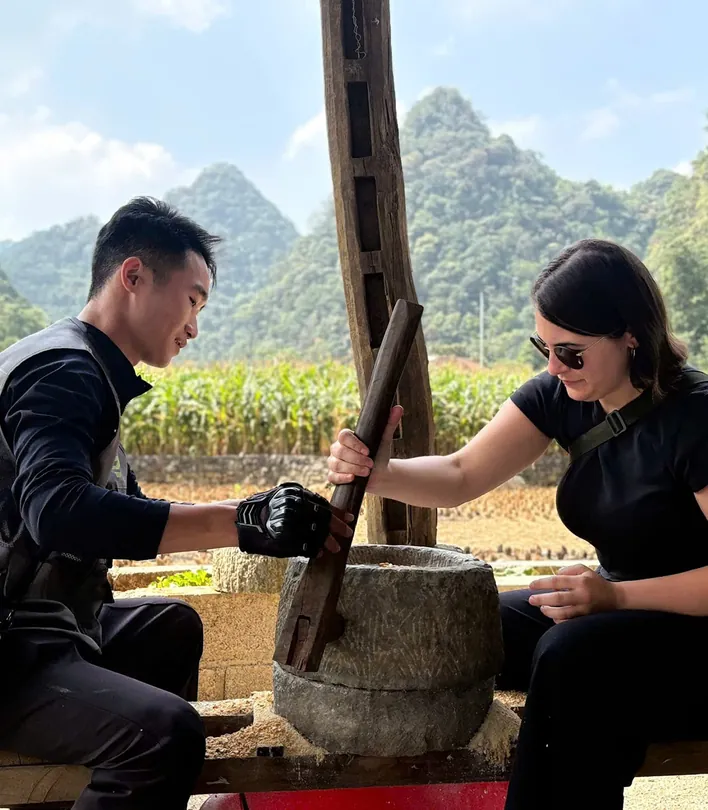
Cao Bang is home to more than nine ethnic groups, including the Tay, Nung, Dao and H’mong. For many visitors, meeting them is the bit they remember longest, and the craft villages are the easiest way in.
- Phia Thap: About 50 families make incense by hand, a craft listed as National Intangible Cultural Heritage. Come on a sunny morning, and you’ll see the sticks fanned out to dry in the yards.
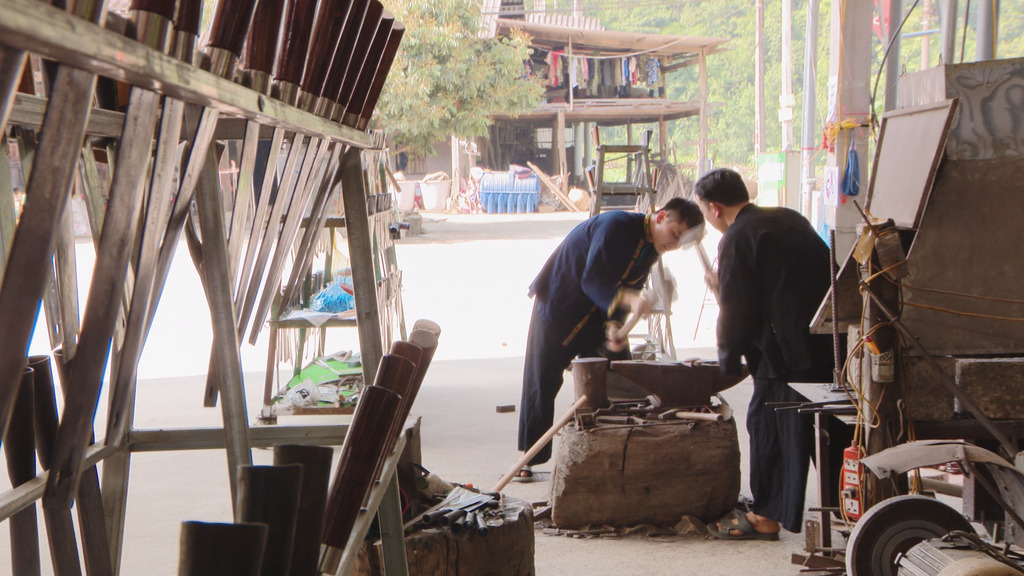
- Phuc Sen: About 150 Nung families forge knives and farm tools in small home workshops. You’ll hear the hammering before you see the village.
- Luong Noi: Tay weavers work on around 30 looms, making brocade cloth.
There are also villages making paper, conical hats and yin-yang roof tiles. Remember that these are homes and workshops, not museums. Ask before you take photos, and buy something if you can, because it helps keep the craft alive.
This is where a local guide earns their keep. Someone who grew up here can translate, explain what you’re looking at, and introduce you to the people behind the work. That’s very hard to do on your own if you don’t speak Vietnamese or Tay.
When to go
Cao Bang is a year-round destination, but each season gives you a different trip.
| Months | What to expect | Good for |
| September to October | Falls still full, golden rice, mostly dry roads | First-time visits, photos |
| November to February | Cool and dry, nights can drop to 10°C or lower, morning mist | Quiet roads, cosy homestays |
| March to May | Lowest water at Ban Gioc, green fields, clearer skies | Riding, hiking trails |
| June to August | Hot and wet (25–32°C), falls at full power, landslide risk | Seeing Ban Gioc at its loudest |
Weekends and Vietnamese public holidays bring domestic crowds to Ban Gioc. If you can, visit the falls on a weekday.
What to pack
Let’s start with what not to pack: your nice white trainers. Between the raft, the cave floor and the village lanes, they won’t stay white for long.
- Layers, all year. Mornings in the valleys can be chilly even in summer, and winter nights are properly cold.
- A rain jacket. Showers roll in fast in the mountains, especially from May to September.
- Shoes with grip for wet rocks at Ban Gioc and the steps inside Nguom Ngao.
- Cash in small notes. Ticket kiosks, village shops and parking attendants rarely take cards, and ATMs thin out once you leave the city.
- A power bank. Between offline maps and photo stops, your phone will be working hard.
If you’re on the back of a motorbike, pack light. A small backpack is far easier than stuffing a big case onto a bike rack.
Tips for planning your trip
- Save offline maps. Signal drops in the valleys. Download Google Maps for the province and save key names in Vietnamese, like Thác Bản Giốc and Động Ngườm Ngao.
- English is common at hotels, less so in villages. More international travellers are coming to Cao Bang, and hotels and tour offices usually speak English. In villages, an offline translation app helps..
- Book the bus a day ahead. Around 30 buses and vans run daily from Hanoi (12Go), but the comfortable limousine vans fill up at weekends.
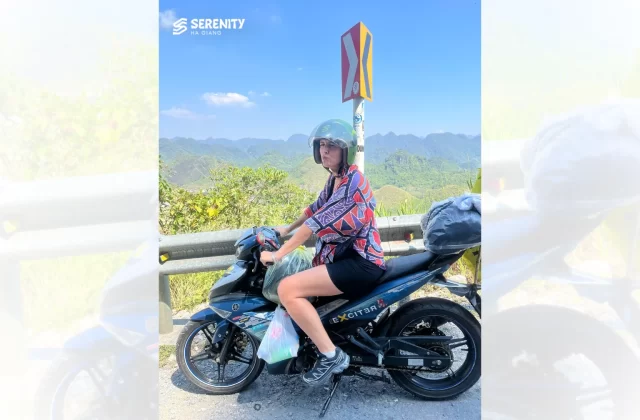
- Choose how you’ll get around. You can ride with an easy rider (a local driver who rides while you sit behind and soak up the views), ride yourself if you hold the right licence, or go by car. Our post on easy rider vs self-drive helps you decide.
- Leave room for detours. The best moments in Cao Bang are often unplanned: a market day, a family drying incense, a pass with nobody on it.
Where to go next
Cao Bang rewards travellers who give it more than a quick stop at the waterfall. It’s quiet, green and full of living culture, and for now you’ll share it with very few foreign visitors.
Ready to plan the details? Start with our Cao Bang motorbike loop guide for days and routes, or the Ban Gioc waterfall guide for the falls. If you’d like a local team to put it all together, take a look at our Cao Bang tours. Got a question first? Ask a local on WhatsApp.
FAQ
- Is Cao Bang worth visiting? Yes, if you like quiet countryside, caves, rivers and village life. It suits travellers who want fewer crowds and are happy to spend a few days on mountain roads.
- How far is Cao Bang from Hanoi? Around 280 km. The bus or limousine van takes 5–7 hours.
- How many days do I need in Cao Bang? Two days cover Ban Gioc and Nguom Ngao. Three to four days lets you add Pac Bo, the passes and the craft villages without rushing.
- When is the best time to visit Ban Gioc Waterfall? September and October, when the water is still strong after the rainy season, and the rice fields are golden.
- How much does it cost to visit Ban Gioc? Entry is roughly 40,000–45,000 VND per adult, plus around 50,000 VND for the bamboo raft. Bring cash.