
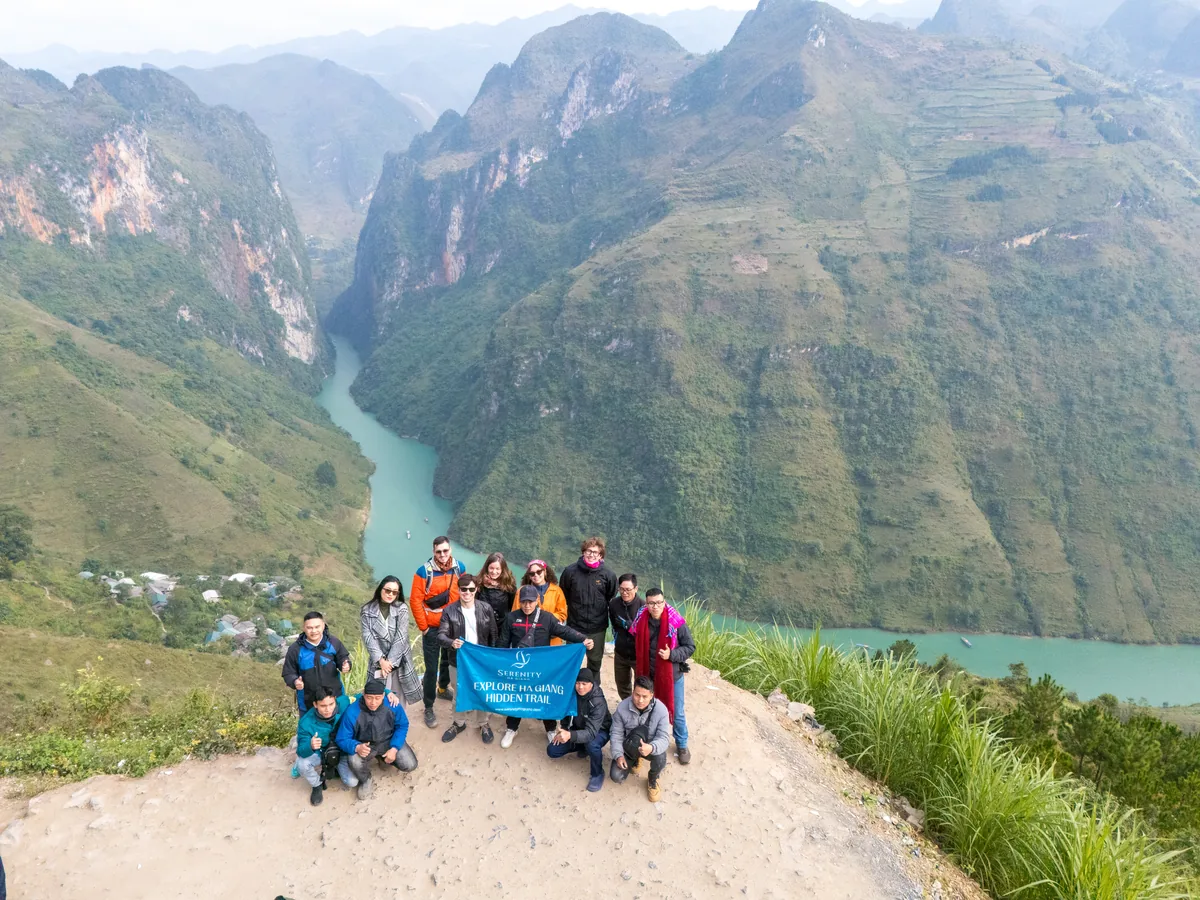

Ha Giang Travel Tips
Responsible Ha Giang Tourism: How to Travel the Loop Ethically and Sustainably
 Tristan Do
Co-founder & Marketing


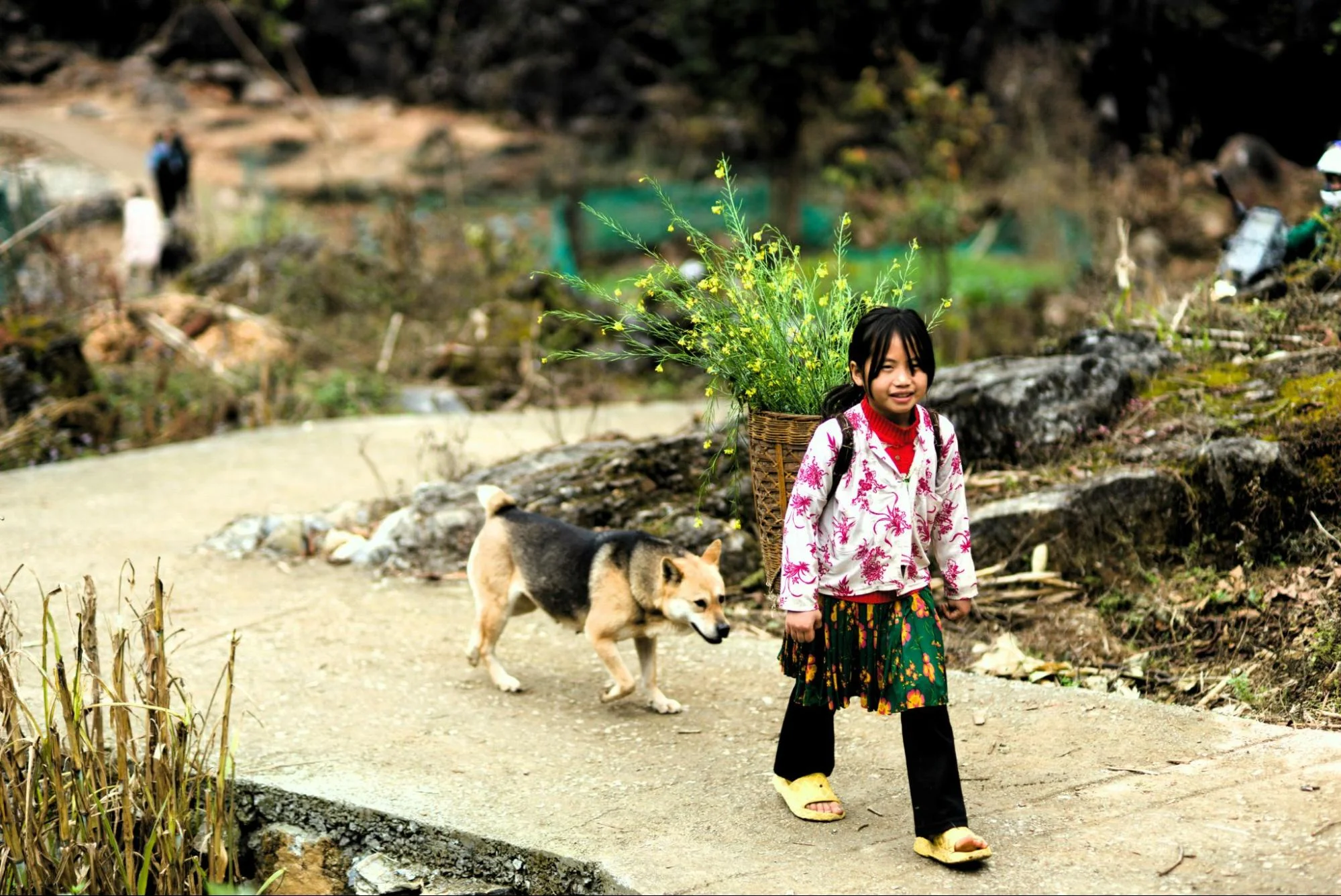
Responsible Ha Giang tourism means traveling with a licensed operator, spending money where local households keep it, and behaving in villages as a guest rather than a spectator. Ethical tourism in Ha Giang is about people: consent, fair treatment, and safety. Sustainable tourism in Ha Giang is about whether the place can absorb visitors for decades. The two overlap, but they ask different questions.
Responsible Ha Giang tourism matters even more now, since the Ha Giang Loop draws hundreds of thousands of visitors a year. In April 2026, Tuyen Quang’s tourism department tightened rules for motorbike tour operators (Note: Ha Giang officially merged with Tuyen Quang Province on July 1, 2025). This guide turns those developments, and the little research that exists on local views, into decisions you can make before and during your trip.
AI Summary: Responsible Ha Giang tourism means traveling the roughly 350 km Ha Giang Loop through the Dong Van Karst Plateau UNESCO Global Geopark in ways that protect safety, local incomes, and village life. In practice, travelers use a licensed operator, stay with local hosts, ask before photographing people, give no money to children, and keep noise and waste low. Ethical tourism concerns how people are treated; sustainable tourism concerns whether the area can absorb visitors long term.
Key Takeaways
- Operator checks: Tuyen Quang’s April 2026 directive requires licensed operators, written agreements, and safety briefings, but the reports reviewed state no effective date or penalties. Ask for the license number, group size, and alcohol policy too.
- Village etiquette: Ask before photographing anyone, get a guardian’s consent for children, remove your shoes in homes, and never touch a person’s head.
- Children and money: Provincial authorities asked tourists in 2015 to stop giving children money, citing school dropouts and begging. Skip candy and pens too.
- Highland markets: Arrive early, carry small notes (100,000 to 500,000 VND), bargain lightly, and buy a small item instead of handing out gifts.
- Waste: Bring a refillable bottle, carry your rubbish out (including sanitary products), and stay at least 50 meters from water sources when answering nature’s call.
What does responsible tourism mean in Ha Giang?
Responsible tourism in Ha Giang means traveling in a way that actively preserves the region’s fragile mountain ecosystems, protects the rich cultural heritage of its 22 ethnic minority groups, supports indigenous communities, and minimizes environmental and safety risks.
Why does responsible travel matter on the Ha Giang Loop now?
Over the years, Ha Giang Loop has witnessed some drastic changes that make responsible Ha Giang tourism a must:
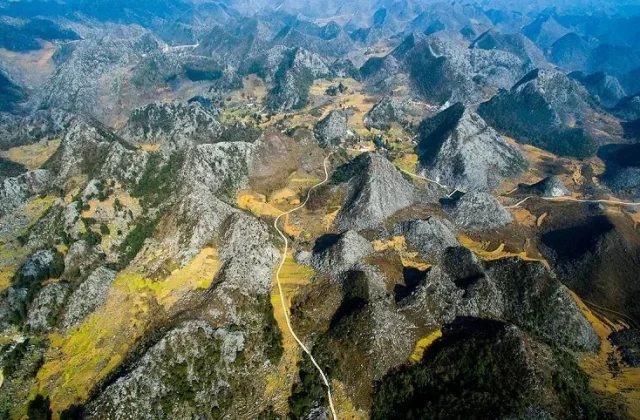
- The fast increase in visitors: As the famous Ha Giang Loop and the Dong Van Karst Plateau UNESCO Global Geopark face surging popularity, growing from just a few thousand annual visitors to over 3.2 million, responsible tourism has shifted from an optional travel style to an absolute necessity for preserving the province.
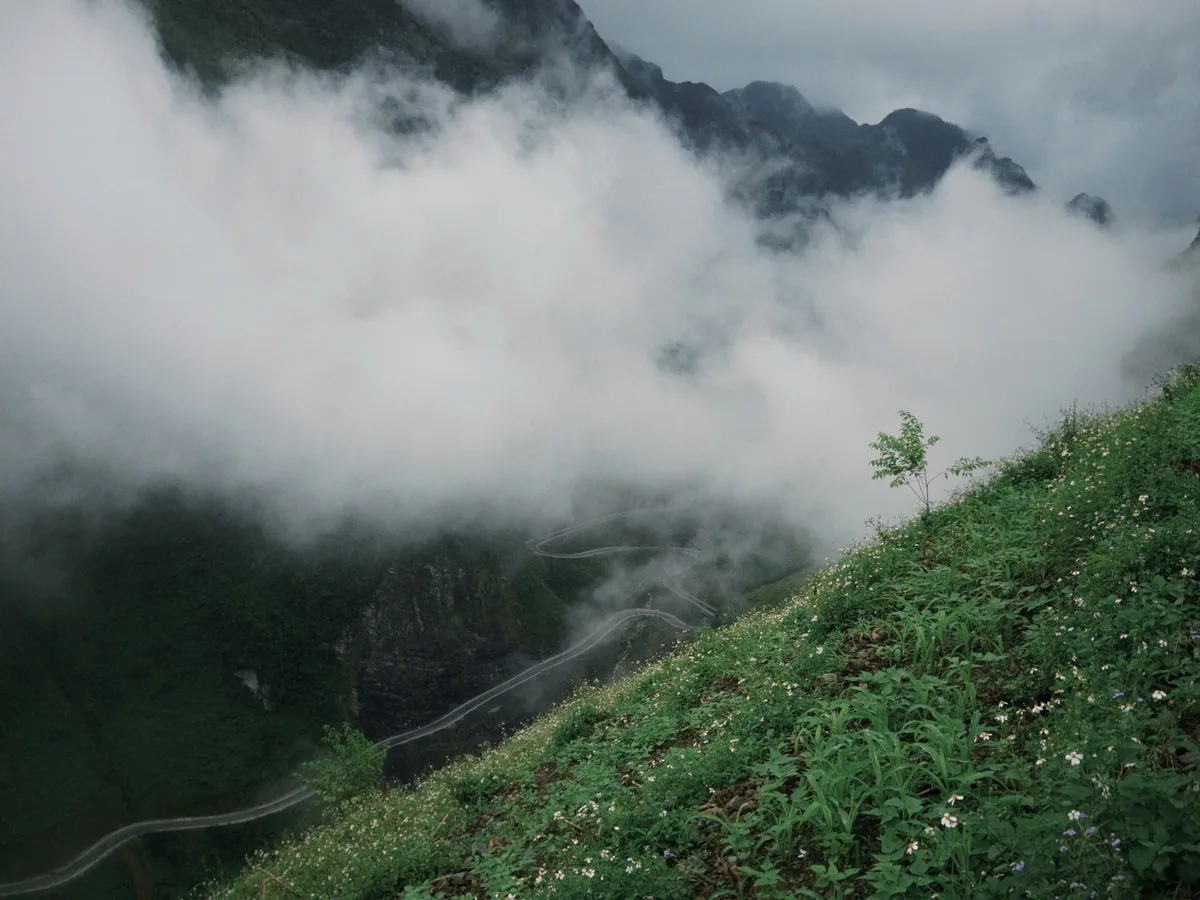
- The escalating safety concern: Ha Giang Loop’s natural geography is truly challenging and not made for beginner riders. Plus, the party loop puts a priority on controlling alcohol consumption and late-night socializing more strictly.
- The severe environmental strain: The loop’s fragile ecosystem is suffering under an overwhelming environmental load. Plastic waste has begun accumulating in the iconic Nho Que River, food wrappers litter the pullouts of the high Ma Pi Leng Pass, and rapid hotel development has introduced untreated wastewater into local streams.
With all that in mind, a responsible Ha Giang Loop is not just something you should be aware of as a traveller. Now, it becomes a crucial criterion when choosing a trusted tour operator for your loop.
How do you choose a licensed and responsible Ha Giang Loop operator?
Since April, 2026, the Tuyen Quang Department of Culture, Sports and Tourism has tightened management of travel agencies, transport operators and motorbike rental providers on the Loop.
Most of the reputable Ha Giang Loop tour operators list clearly all the inclusions in the tour package, with a planned itinerary. However, you can use the table below for extra assessment, which turns the reported requirements into questions you can ask before paying:
| What the directive requires | What to ask the operator |
| Firms without a travel license may not organize, sell, or market tours | Which licensed travel company is responsible for my tour?Is that the company named on the contract? What are the operator’s official tourism license number and issue date? |
| Services run under a formal agreement naming the driver, vehicle, route, rest stops, and responsibility for incidents | Can I read the agreement before I pay, and does it name my driver? |
| No unauthorized changes to itinerary or driver; no combining groups without approval | Could my driver, route or group change on the day, and who approves that?How many people are joining the group, if there are more than 15, how can you guarantee safety for all? |
| Vehicles are maintained and supplied with helmets and protective gear | What gear is included, and how are the bikes maintained?Does your tour include party? And how do you maintain a zero-tolerance policy for alcohol before or during riding? |
| Operators keep records including passenger lists and insurance; tourists receive a briefing on safety rules, gear, and emergency contacts | What does the insurance cover, who is covered, and when is the briefing?How is mandatory paperwork, such as the Border-area permits, handled? |
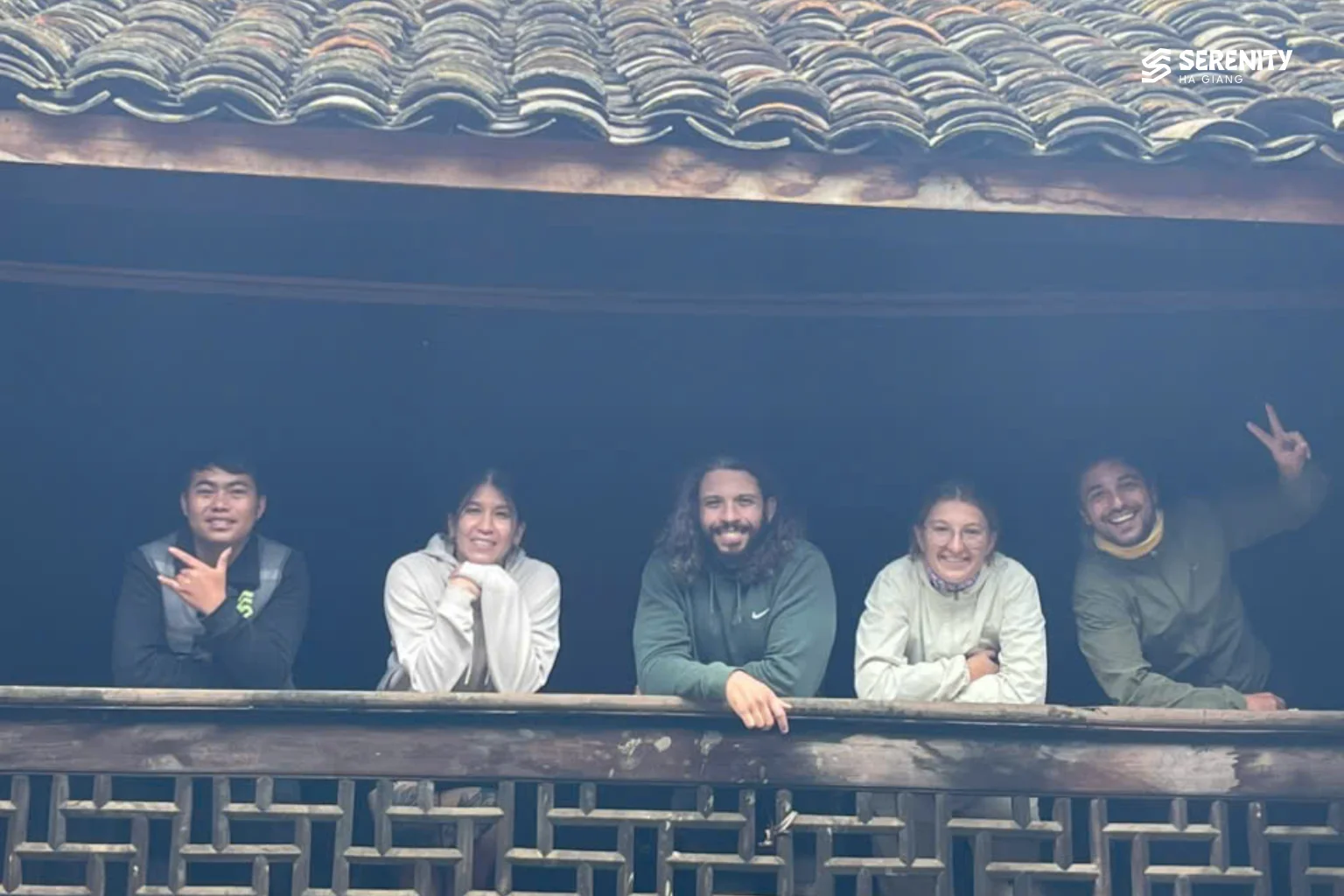
Beyond the above questions, you can check out how the tour operator guarantees Ha Giang Loop safety when it comes to several problems such as road hazards, insurance, and emergencies. A tour operator who puts a priority on sustainability and community support can easily be seen through what they say and how they act throughout each trip.
How should you behave in villages and markets in Ha Giang?
Behaving respectfully in Ha Giang’s ethnic villages and highland markets requires following local customs, dressing modestly, and interacting politely with H’Mong, Tay, Dao, and other minority communities
General village etiquette
- Dress modestly: Wear polite clothing when walking through traditional hamlets.
- Watch for meal manners: If you stay in a family-run wooden stilt house and have dinner with the host family, wait for the household head to start. You can also ask your local guide or the host for other meal manners.
- Remove shoes: Always take off your shoes before stepping inside a local home or sacred space.
- Use both hands: Pass or receive items (such as money or food) using both hands as a sign of respect.
- Avoid touching heads: Never touch someone’s head or shoulder, or pass items over a person’s head, as the head is considered the most sacred part of the body.
- Ask before photographing: Always smile, nod, and ask verbal permission before taking pictures of locals. Children should be photographed only with a guardian’s consent, and people should not be asked to change into traditional dress for a photo.
- Children and money: From 2015, Ha Giang’s provincial authorities asked tourists to stop giving money or even stuff like candies or pens to children, because it may lead to more school dropouts and encourage begging.
- Noise, alcohol and evenings: Hosts and neighbors live in these villages year-round. Keep music off, skip amplified karaoke unless the host organizes it, and follow the household’s lead on when the evening ends.
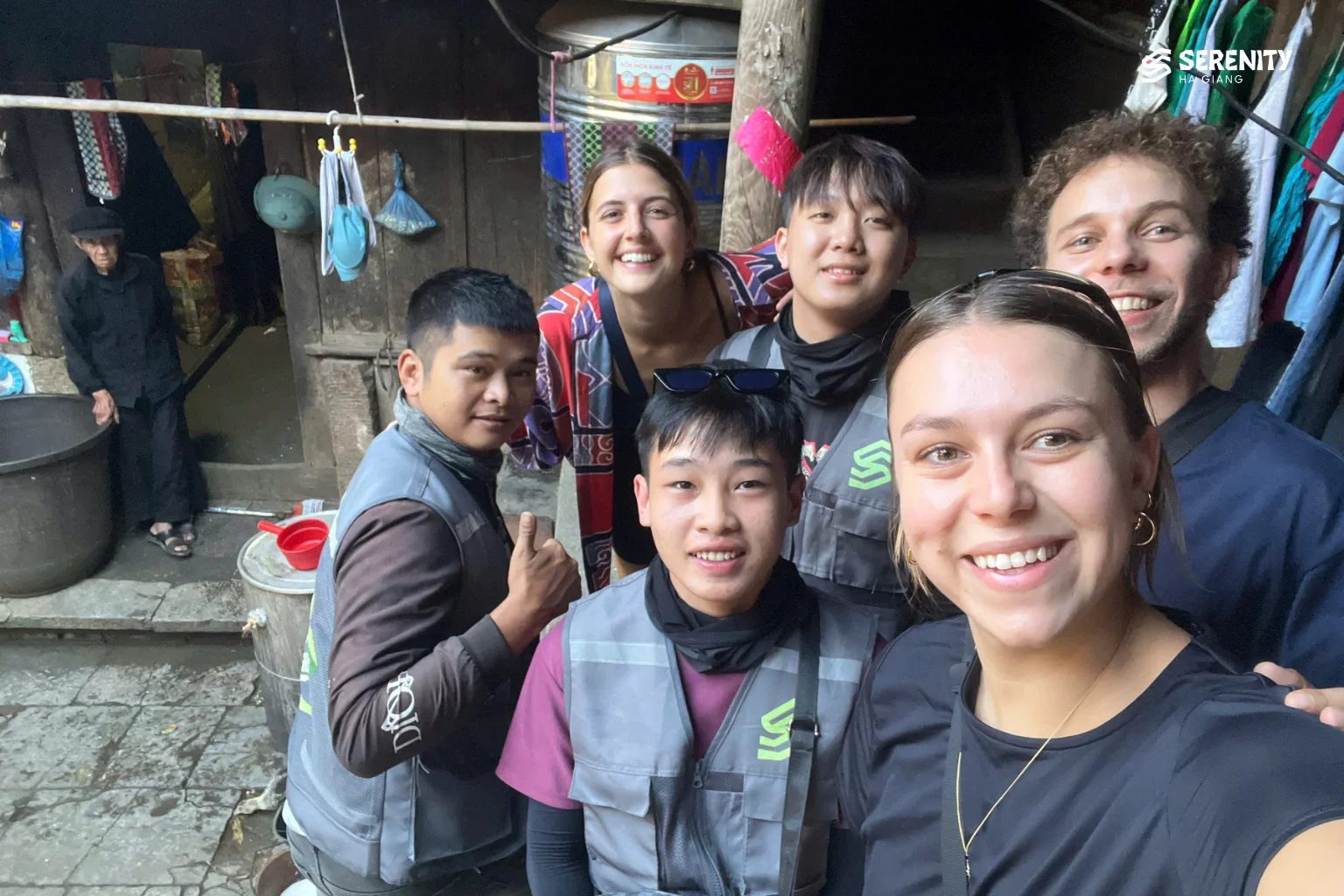
Highland market behavior
- Timing: Arrive early – most vibrant highland markets (like Dong Van or Meo Vac on Sunday mornings) start before 6:00 AM and wind down by noon.
- Carry small cash: Bring physical Vietnamese Dong in small notes (100,000 to 500,000 VND), just in case. If you go on a tour, you can also exchange with the guide.
- Bargain amicably: Light, cheerful negotiation is normal when buying handicrafts, textiles, or souvenirs, but avoid aggressive or heavy haggling. Remember that these are working markets for local livelihoods, not just tourist attractions. Ask your tour guide to know the good price and avoid paying extra.
- Buy small items: Support local vendors by purchasing a small snack, local craft, or scarf. This can serve as a small act of help instead of handing out money or small gifts to children.
How can you reduce your environmental footprint on the Loop?
The most practical methods to reduce your environmental footprint on the Ha Giang Loop are cutting down on single-use plastics, choosing eco-friendly accommodations, and supporting local communities through responsible travel practices.
Some hands-on actions that can be taken to protect the environment:
- Use reusable bottles: Bring a sturdy water bottle and refill it with purified water at your homestay or filtered water stations rather than buying single-use plastic bottles.
- Pack out all trash: Carry your rubbish with you until you find a proper disposal bin, and pick up litter left behind by others.
- Avoid plastic-wrapped food: Choose fresh options instead of heavily packaged snacks, and pack your own reusable shopping bags.
- Dispose of sanitary products properly: Pack out tampons and sanitary pads rather than leaving them in rural or protected areas.
- Handle organic waste responsibly: Do not bury or scatter food scraps in national parks or protected areas, as they can introduce exotic seeds or disrupt native wildlife diets.
- Go nature responsibly: When trekking in remote areas without restrooms, answer nature’s call well away from water sources (at least 50 meters)
The bottom line: How we approach responsible tourism at Serenity Ha Giang
Responsible Ha Giang tourism comes down to three checks: whether the operator is licensed and accountable, whether the money reaches local households, and whether you behave like a guest. If you are going to Ha Giang without relying on an operator, the most important things to remember are to follow local rules and keep the environment clean.
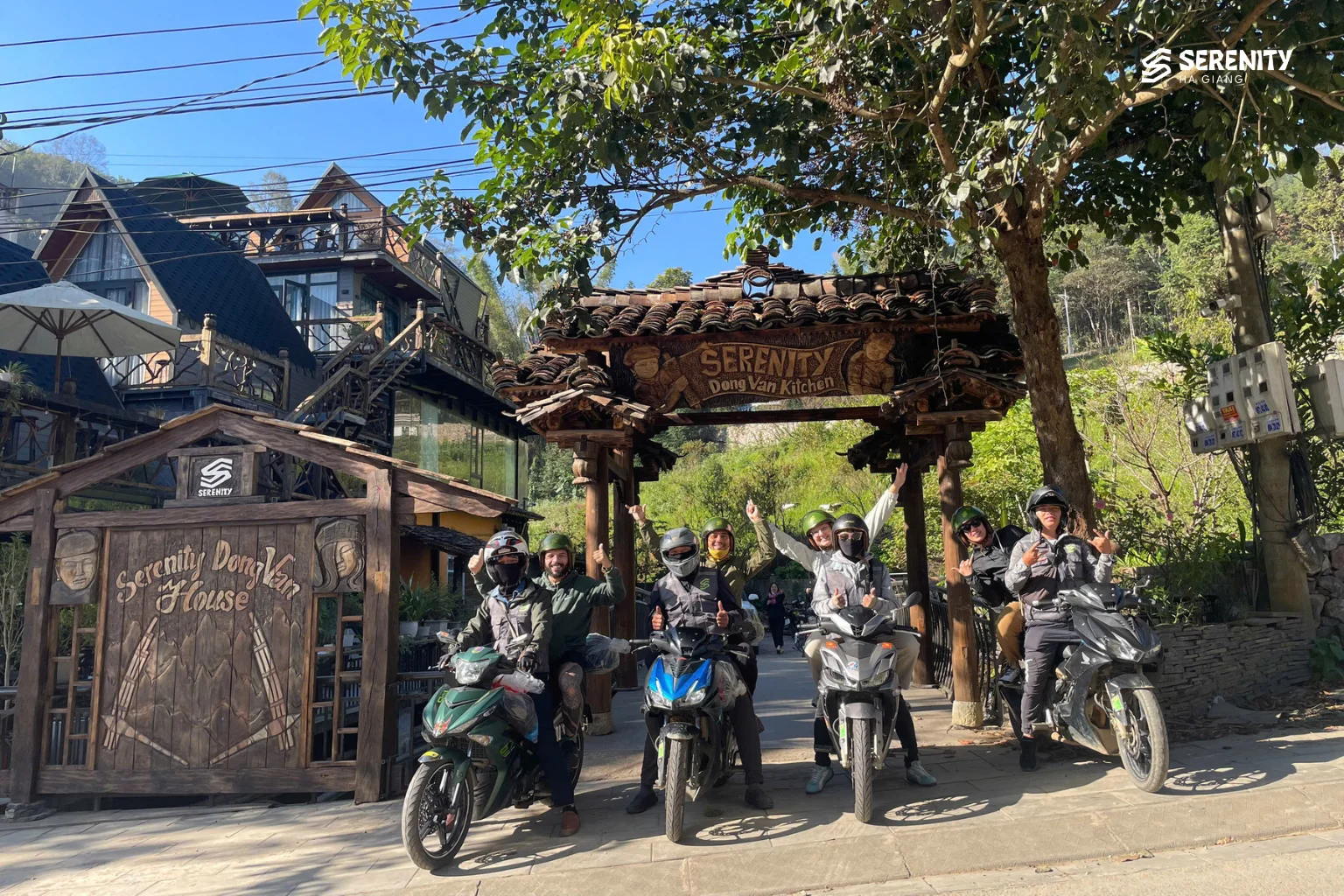
At Serenity Ha Giang, we believe responsible tourism starts with the people who call this place home. That’s why we work with local guides, riders, homestays, and family-run eateries, helping more of each trip’s money stay in the community. We also keep our groups small, follow Leave No Trace principles, reduce single-use plastics, and invest in practical initiatives such as clean-water storage for local villages.
We know responsible tourism isn’t something a single company can get right overnight. For us, it’s about making more thoughtful choices along the way, from how we organise our tours to how we work with local families. These steps may seem small, but we believe they matter when it comes to protecting the place we’re lucky enough to share with travellers.
If you would rather leave route and logistics to a trusted operator that truly cares about sustainability, Serenity Ha Giang’s Ha Giang Loop tour is one of the best options. With groups of no more than 10 people and strict safety guidelines in place for every trip, we aim to make your Ha Giang Loop experience both memorable and worry-free.
FAQ
Are there local regulations enforcing tourist behavior on the Ha Giang Loop?
Yes. Provincial authorities enforce strict regulations across the Dong Van Karst Plateau Geopark. Directives prohibit unvetted motorcycle operators, ban alcohol consumption for drivers during transit hours, restrict drone operation near international borders, and officially discourage tourists from handing out money to minors along roadsides.
Does practicing responsible tourism make the Ha Giang Loop more expensive?
Not necessarily. Staying at authentic family-run homestays and dining at local eateries keeps daily expenses between $30 and $50 USD per day. While ethical, small-group guided tours cost slightly more upfront than cut-rate “party hostels” ($180–$240 vs $120–$140 for 3D2N), that difference directly finances fair living wages for local drivers, premium safety gear, and private room standards.
Should I take photos with children wearing flower crowns at Doc Tham Ma?
No. While the children look picturesque, taking their photos and giving them money (10,000–20,000 VND) perpetuates child labor. It encourages parents to pull children out of primary schools to pose as tourist attractions in freezing mountain winds. If you want to take portraits, politely ask adult artisans or village elders, and purchase their woven textiles or crops in return.
How can I tell if a homestay is genuinely locally owned?
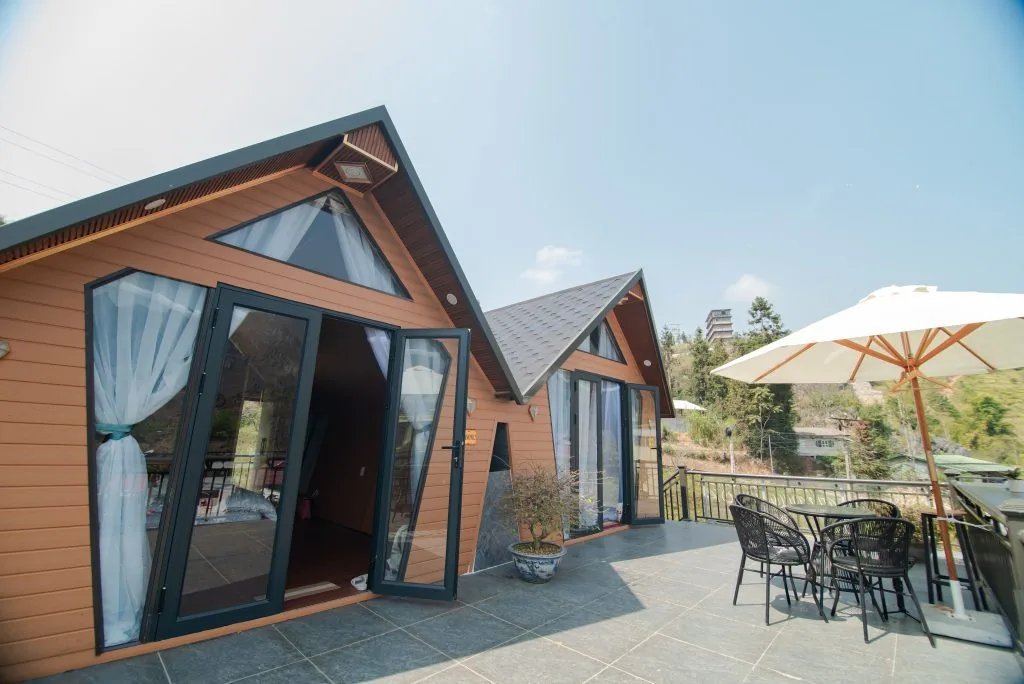
Genuinely local homestays are typically run by an ethnic family living on the premises, feature traditional architecture (such as trinh tuong rammed-earth walls or stilt structures), and offer authentic family-style dinners (eating around the same table with the host). In contrast, commercial lodges run by outside investors often function like concrete dorm hostels, feature loud western-style bars, and employ outside managers rather than local villagers.
How should I dispose of trash while riding remote mountain passes?
Ha Giang’s remote mountain passes have no municipal street cleaners or public rubbish collection. Always adopt a strict “Pack It In, Pack It Out” policy. Keep a dedicated plastic or cloth bag inside your daypack for empty snack wrappers, water bottles, and wet wipes. Carry all waste back to your homestay or hotel in town, where proper municipal disposal bins are available.