


Ha Giang Travel Tips
Ha Giang vs Sapa: Which Northern Vietnam Trip Is Right for You?
 Tristan Do
Co-founder & Marketing


Ha Giang suits travelers who want a remote, multi-day journey through limestone mountains, usually by motorbike. Sapa suits travelers who want trekking, rice terraces, and a more comfortable base. Neither has an airport, so both mean a long overland journey from Hanoi. In short, Ha Giang is for adventurous travellers, while Sa Pa is for people who prefer convenience and family-friendly travel.
But the charisma of Ha Giang and Sa Pa is more than just a few adjectives. And to understand the differences between the two places in depth, this Ha Giang vs Sapa guide compares the two on scenery, time, riding difficulty, season, cost, crowds, and how the Sapa vs Ha Giang Loop question changes if you plan to ride.
AI Summary: Ha Giang vs Sapa comes down to trip type. Ha Giang, home of the Dong Van Karst Plateau UNESCO Global Geopark and Ma Pi Leng Pass, suits remote multi-day motorbike travel and needs 3-4 days for the Loop. Sapa, in Lao Cai province near Fansipan (3,143 m), suits 2-3 days of trekking and terrace views with more accommodation choices. Both lie roughly 300-320 km from Hanoi.
Key Takeaways
- Trip type: Ha Giang is a road-trip destination built around the Ha Giang Loop. Sapa is a trekking and village-visit base, though riders can also loop from Sapa (but less popular than Ha Giang).
- Best seasons: September-November and March-May are the windows most sources recommend for both places.
- Licence: Riding yourself in either place needs a home motorcycle licence plus an International Driving Permit (IDP) issued under the 1968 Vienna Convention, according to secondary sources.
- Cost: Ha Giang is generally slightly cheaper on a daily basis, but the actual total cost of a trip to Ha Giang and Sapa can end up being close depending on how many days you stay and your travel style.
Ha Giang vs Sapa at a glance
The table covers the decision-critical differences. Travel times vary with operator, bus type, and traffic, and the difficulty ratings come from a tour operator, not an official body.
| Factor | Ha Giang | Sapa |
| Main activity | Multi-day Loop by motorbike or car, passes, border-district villages | Trekking, village visits, Fansipan, terrace viewpoints |
| Landscape | Dong Van Karst Plateau, Ma Pi Leng Pass, Nho Que River | Muong Hoa Valley terrace, Fansipan (3143m), Ta Van, Lao Chai. |
| Distance from Hanoi | About 300 km | About 315-320 km |
| Typical journey duration from Hanoi | 6-8 hours by bus or car | 5.5-6.5 hours by limousine bus or car; or 8-9 hours by overnight train plus a transfer |
| Time needed | 3-4 days for the Loop, plus travel | 2-3 days |
| Riding difficulty | Moderate to hard, with technical sections | Easy to moderate on main roads, harder on remote or off-road routes |
| Accommodation | Homestays and small hotels | Hostels through luxury resorts |
| Crowds | Spread out, busier on popular Loop stretches | Busiest in the town centre and on popular trails |
| Best seasons | Sept–Nov (harvest/buckwheat flowers) & Mar–May | Sept–Oct (golden harvest) & Mar–May (spring green) |
Which has better scenery: Ha Giang’s karst or Sapa’s terraces?
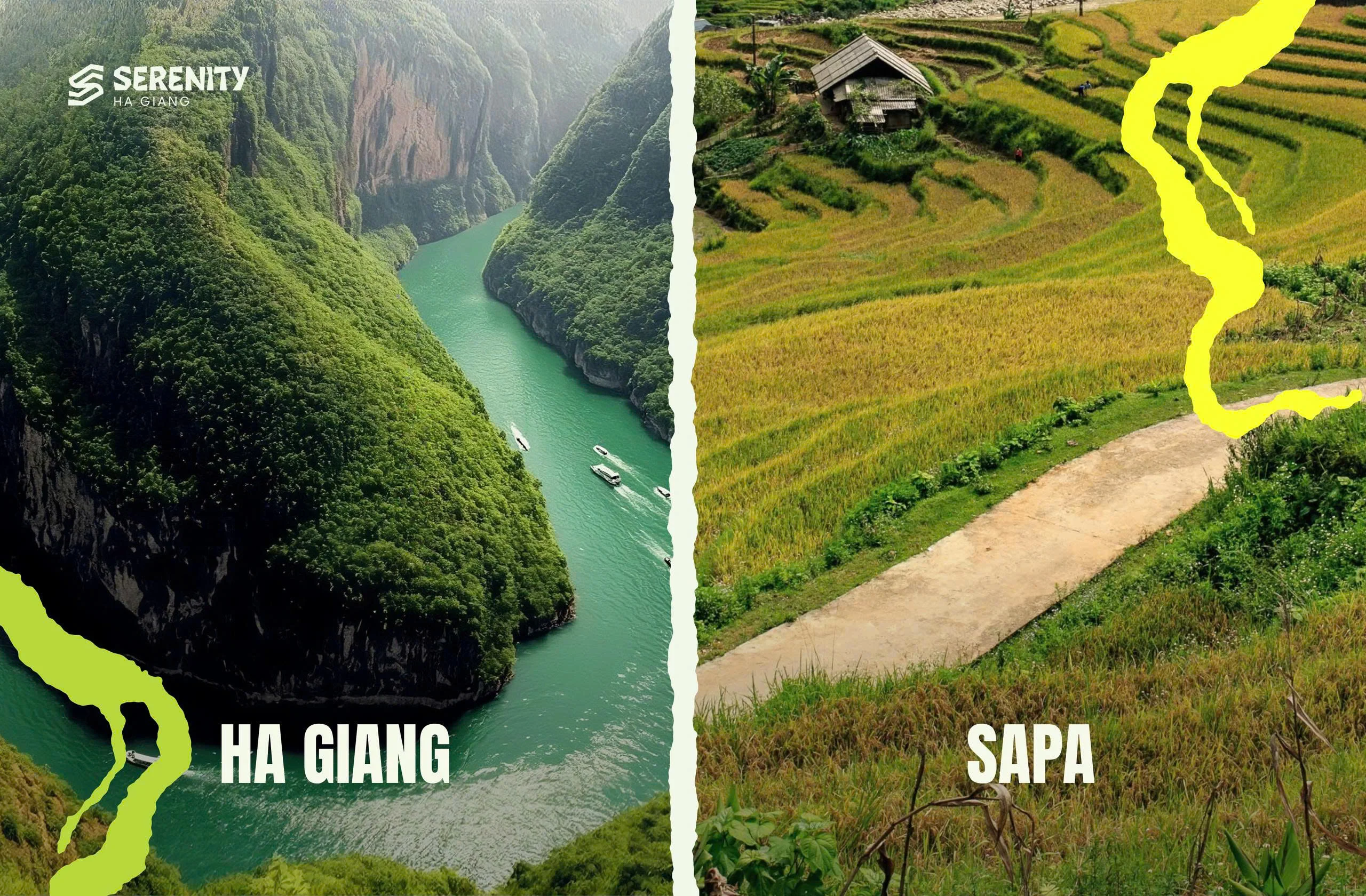
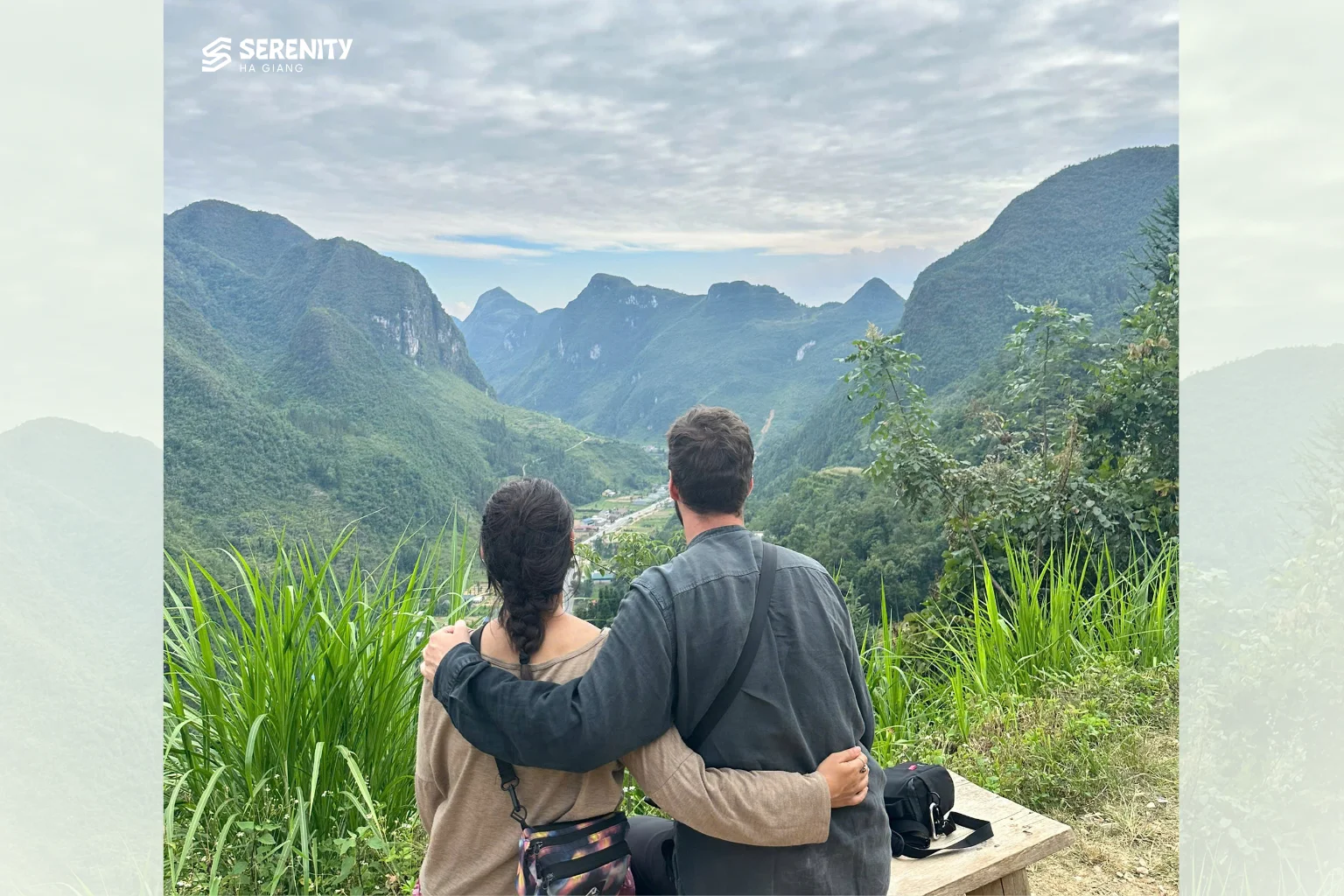
Neither wins outright. Ha Giang offers a road-based landscape journey, and Sapa offers a walking-based mountain base. Choosing between Ha Giang’s limestone karst and Sapa’s rice terraces comes down to whether you prefer raw, dramatic geology or soft, classic agricultural beauty
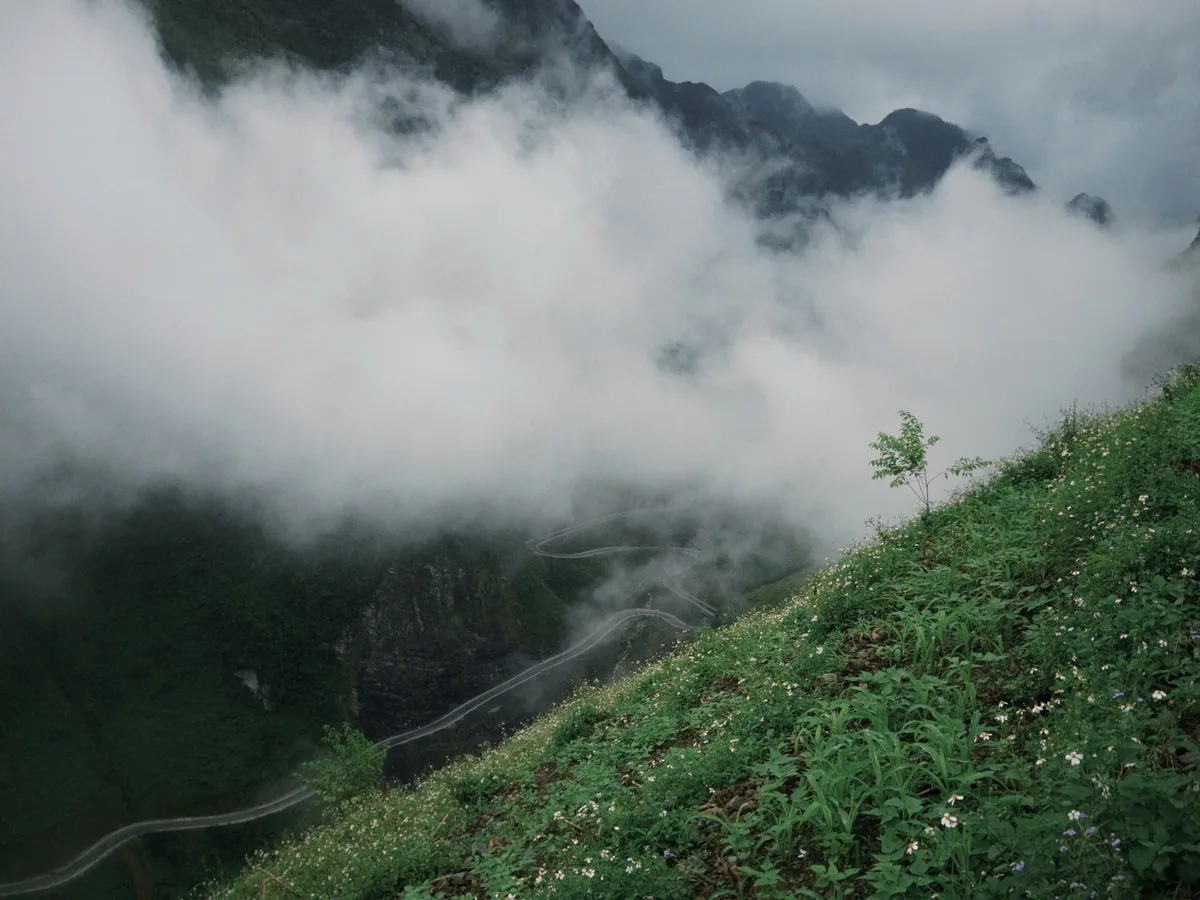
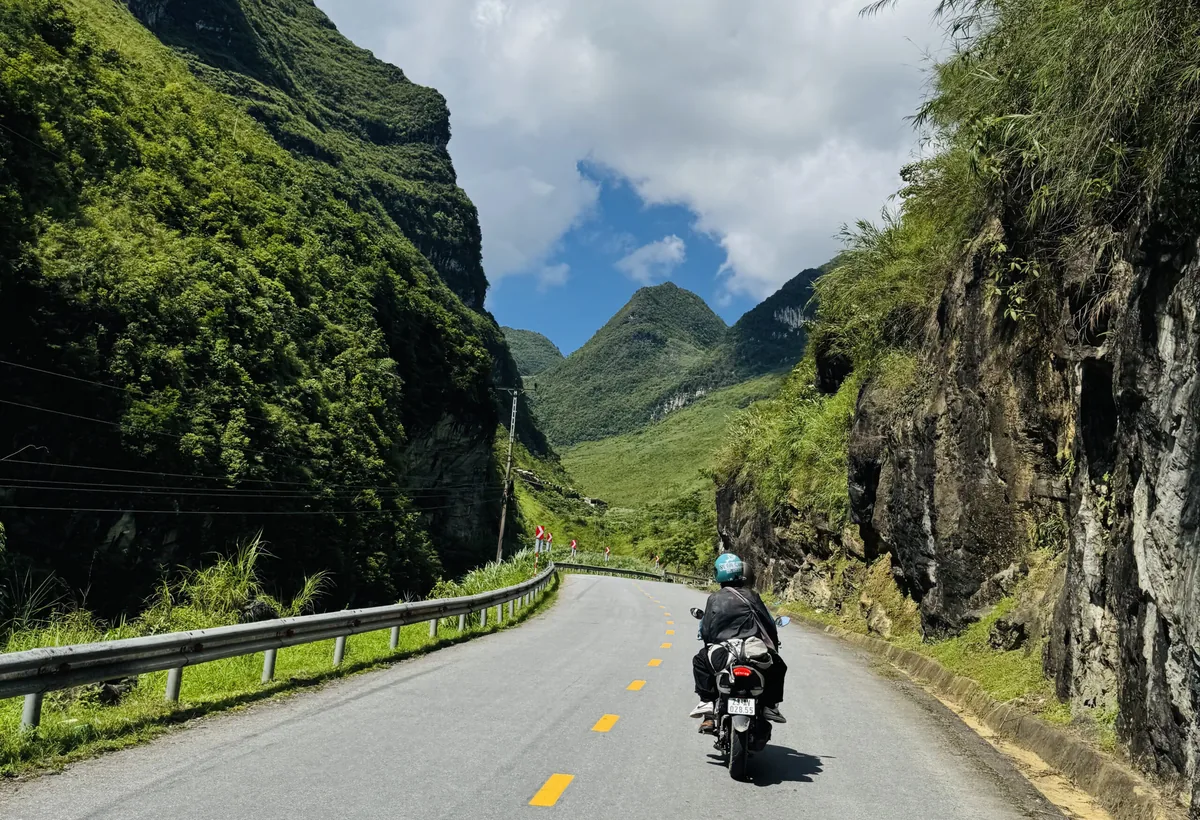
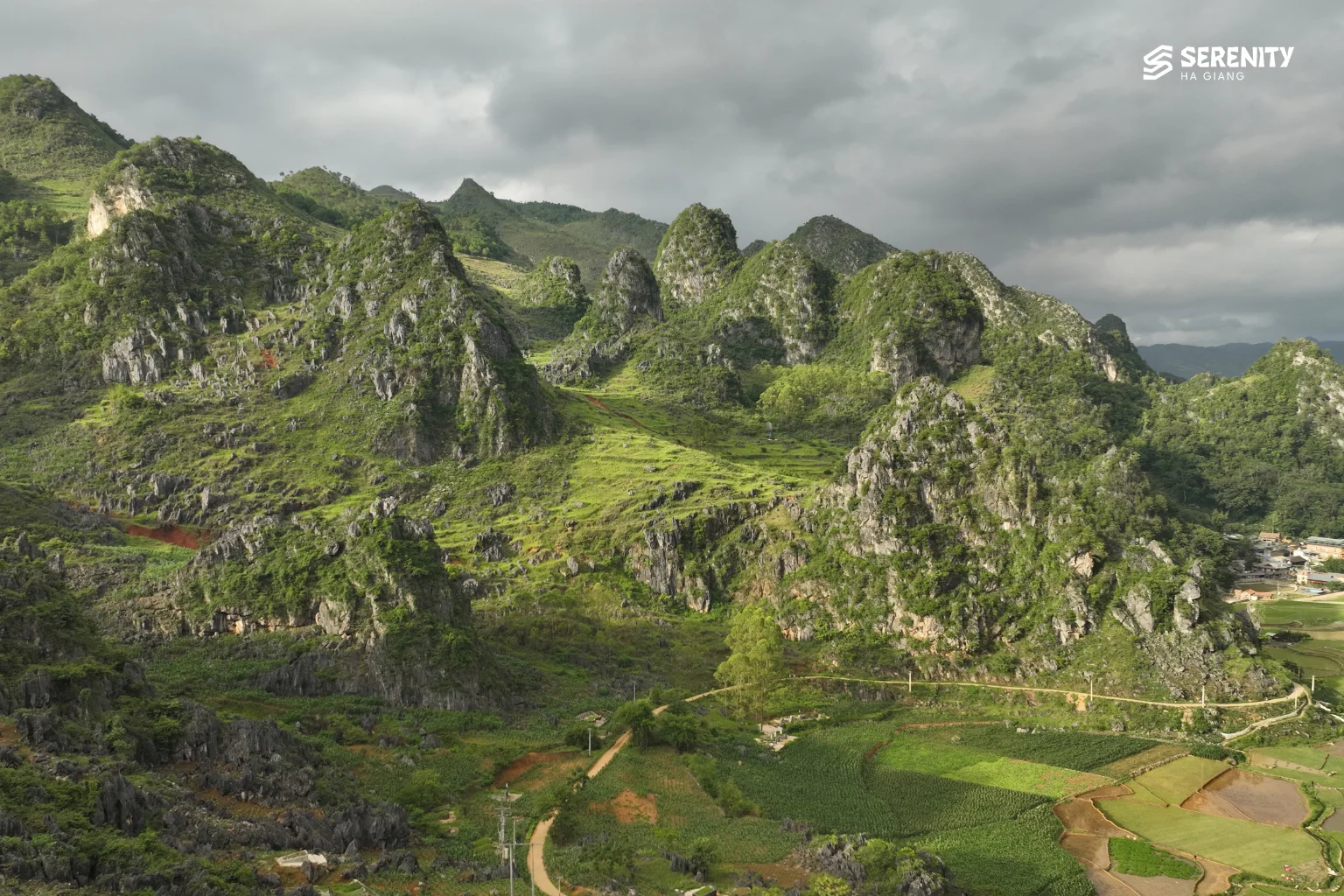
Ha Giang: karst plateau, passes and river canyons
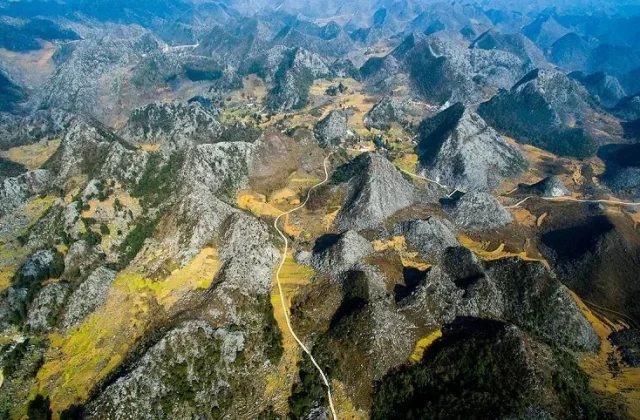
- The Scenery: Massive grey limestone pinnacles, deep river canyons, and high-altitude mountain passes like Ma Pi Leng Pass, which links Dong Van and Meo Vac on National Highway 4C above the Nho Que River. UNESCO recognised the Dong Van Karst Plateau as a Global Geopark on 3 October 2010 and has re-recognised it since.
- The Vibe: Wild, vast, rugged, and ancient
- Best For: Travelers wanting scale, dramatic drop-offs, and an off-the-beaten-path road trip. (Note: Western Ha Giang, such as Hoang Su Phi, also features golden rice terraces that rival Sapa).
Sapa: terraced valleys and altitude
- The Scenery: Sapa is at about 1,600 m in the Hoang Lien Son range. The Muong Hoa Valley terraces change colour with the planting cycle, and Fansipan, Vietnam’s highest peak at 3,143 m, can be reached by cable car or a multi-day climb. Cat Cat, Ta Van, Lao Chai and Ta Phin are the villages most often named for treks.
- The Vibe: Poetic, lush, postcard-perfect, and serene.
- Best For: Postcard landscapes, relaxed village trekking, and accessible comfort
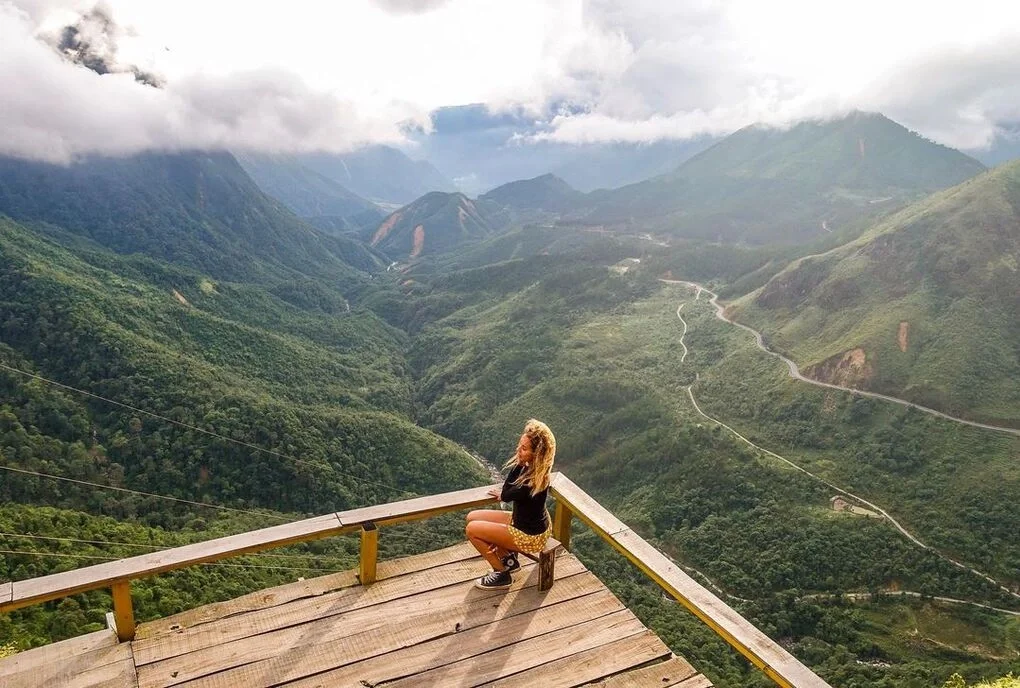
➜ A verdict on scenery of Ha Giang and Sa Pa: Ha Giang wins for raw, larger-than-life scale and dramatic vistas. Sapa wins for classic, romantic agricultural beauty and easy accessibility
Sapa vs Ha Giang Loop: how do they compare for riders?
The Ha Giang Loop is a named, multi-day circuit. Sapa is a town-based destination that also has riding routes, so the comparison needs care.
| Aspect | Ha Giang Loop | Sapa |
| Distance | About 300 – 350 km (~180-220 miles) | The Sa Pa–Sin Ho loop is about 320km (~199 miles) |
| Days needed | At least 2 days 3-4 days is recommended | 2 is possible; 3-4 days is suggested |
| Signature mountain road | Ma Pi Leng Pass, between Dong Van and Meo Vac | Tram Ton Pass (also known as O Quy Ho Pass), given as 1,900 m |
| Difficulty rating | Moderate to hard, with technical sections | Easy to moderate for Sapa-area riding, with optional off-road detours (this rating covers the Sapa area, not Sin Ho specifically) |
| Road conditions | Roads can be slippery in the rainy season | Good highways and back roads with rough patches, a single-lane climb of about 40 km to Sin Ho, and poor surface in the first kilometres out of Sapa |
| Weather risk | Rain and fog reduce grip and visibility | Landslides after rain can block roads for hours or days |
| Best for | Riders who want a well-covered, multi-day circuit, or a guided passenger seat | Riders who are comfortable researching road conditions themselves |
| Licence and insurance | Same rules in both places (see below) | Same rules in both places (see below) |
What licence do you need to ride in Ha Giang/ Sa Pa yourself?
Vietnam recognises IDPs issued under the 1968 Vienna Convention, not the 1949 Geneva Convention, which adds that the United States and Canada mainly issue 1949 permits. The licence must itself carry a motorcycle category.
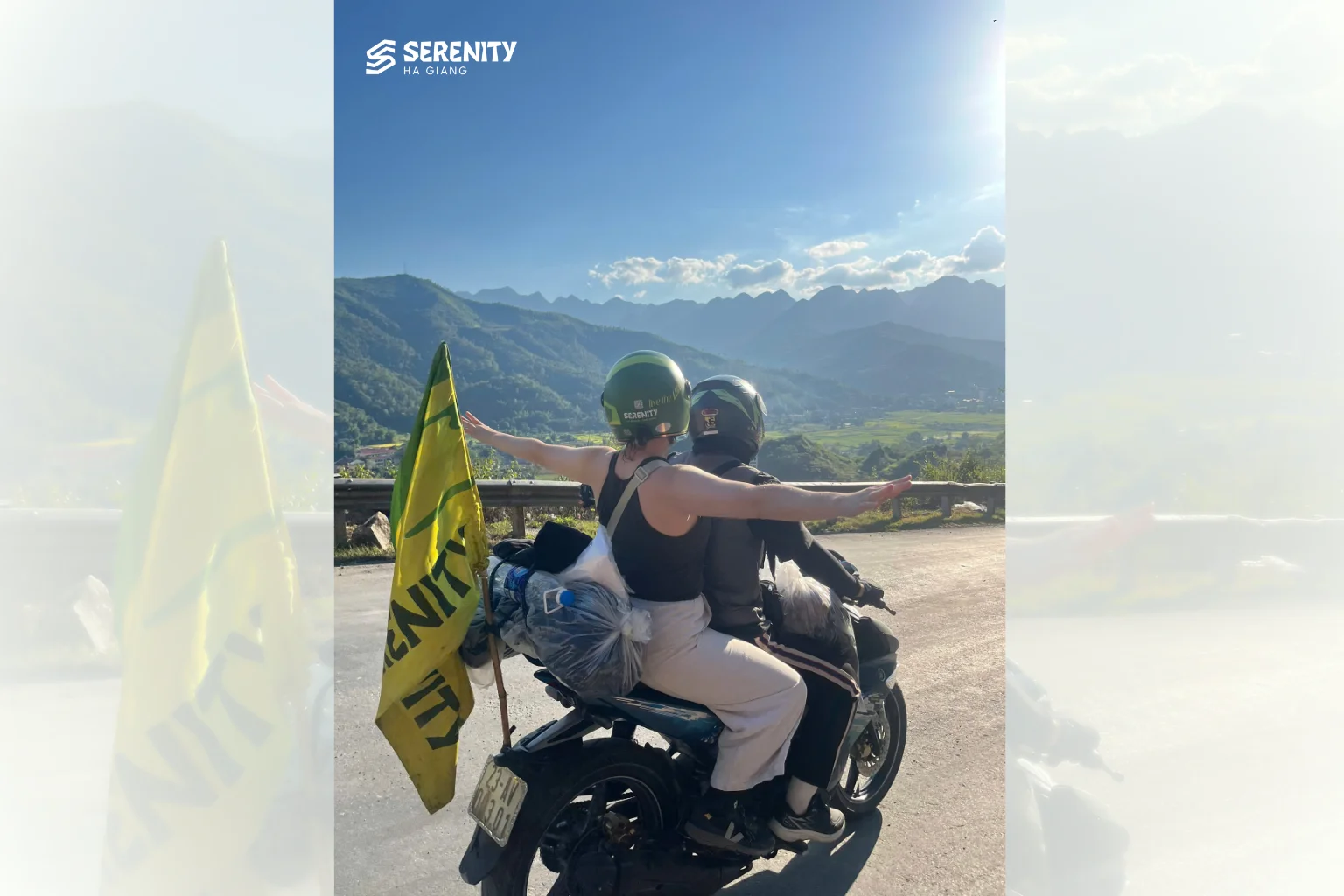
➜ A verdict on riding difficulties of Ha Giang and Sa Pa: Ha Giang Loop is harder to ride and made for thriller souls; Sa Pa is easier to ride but requires more trekking.
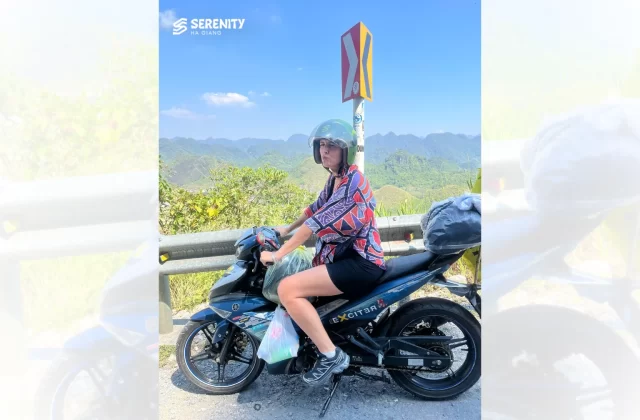
If you plan to ride yourself, check the options for Ha Giang motorbike rental. If you prefer not to ride, check out this Beginner’s Guide to Ha Giang Loop for a complete start.
When is the best time to visit Ha Giang or Sapa?
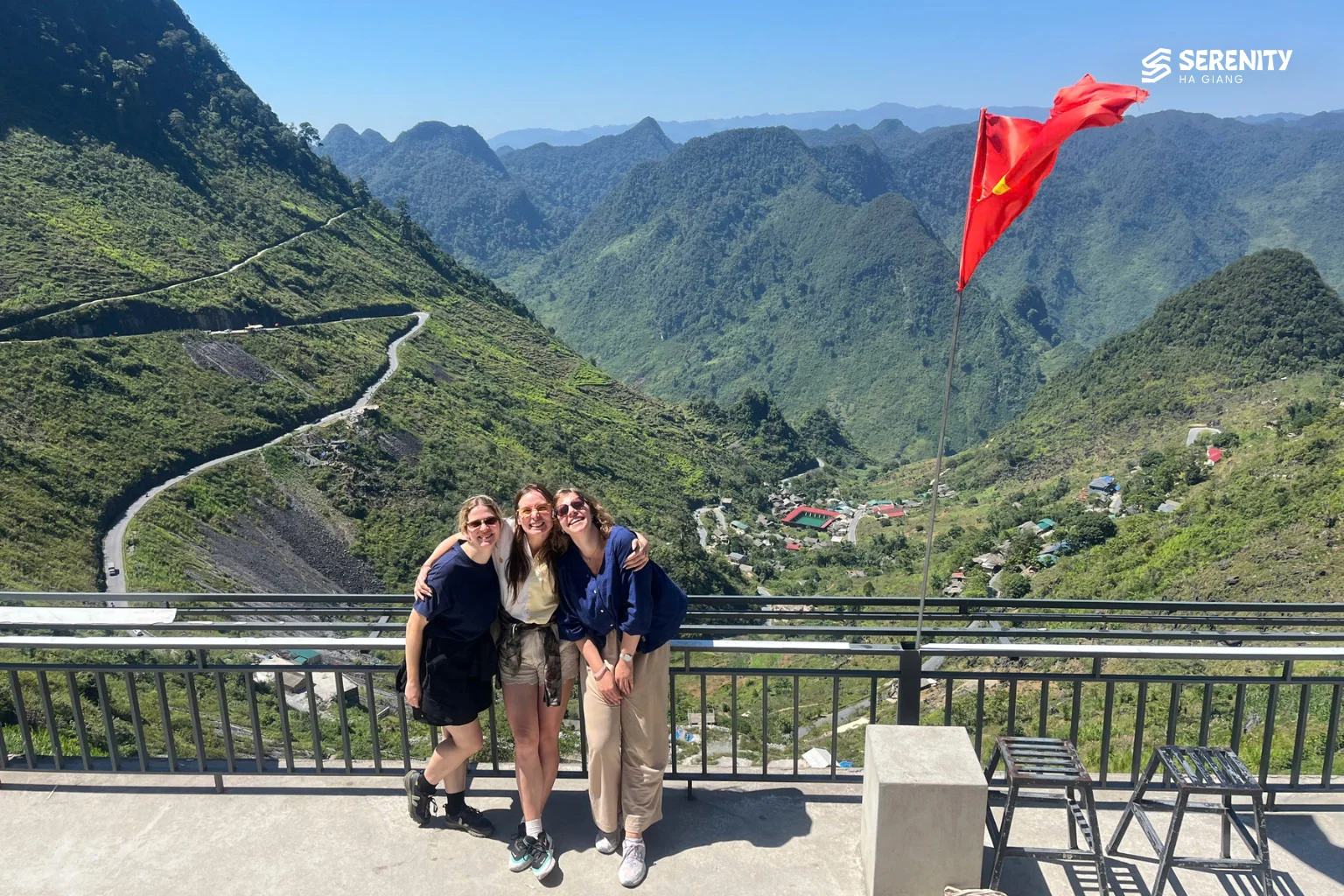
If you plan to visit both places at the same time window, then September-November and March-May are the windows most recommended for visiting Ha Giang and Sa Pa.
Ranking the best seasons to visit
| Seasons (Ranked) | Ha Giang | Sa Pa |
| Autumn (Sep – Nov) | Features clear skies, post-monsoon dry roads, and the famous buckwheat flower season starting in October (hillsides covered in purple and white). | Views feature iconic golden terraced rice fields ready for harvest, with cool and crisp air. |
| Winter (December – February) | This is the time when the weather is very cold, and even colder at high altitudes, with frequent heavy fog and occasional frost. However, visiting Ha Giang or Sa Pa during this time gives you fewer crowds. If you make it during the Tet (Lunar New Year) holiday period in late January or February, you can enjoy vibrant local markets. | |
| Spring (March – May) | Blooming wildflowers, Silk cotton tree flowers, green valleys, and mild, pleasant weather. May also marks the start of the “falling water” season when terraced fields fill with water like mirrors. | |
| Summer (June – August) | This is the peak rainy and monsoon season. The biggest risk is that heavy downpours can cause landslides and road flooding, particularly on the narrow mountain roads of Ha Giang. However, you still can make your trip by following the safety rules; see the Ha Giang Rainy Season guide for more information. | |
For a detailed breakdown of each season, read our completed guide talking about the Best time to visit Ha Giang.

Read more: A guide for Ha Giang Rainy season: Should we do the Loop?
Is Ha Giang or Sapa cheaper?
Ha Giang is generally slightly cheaper on a daily basis, though the total cost of a trip to Ha Giang and Sapa can end up being close depending on how many days you stay and your travel style.
For easier comparison, let’s examine the cost for all-inclusive 3-day, 2-night tours for both places:
| Popular tour | Ha Giang Loop (3D2N) All-In | Sapa Valley & Trekking (3D2N) All-In |
| Price | ~$165/person | ~$125/person |
| Inclusions | – Transportation (from Hanoi & in Ha Giang) – English-speaking local guide – Easy Rider – All meals – Accommodations – Border permit fee | – Transportation (from Hanoi & in Ha Giang) – English-speaking local guide – All meals & water – Park & village entrance fees – Accommodations – Walking poles |
| Exclusions | – Travel insurances – Entrance fees of some spots | – Travel insurances – Single supplements |
Notes:
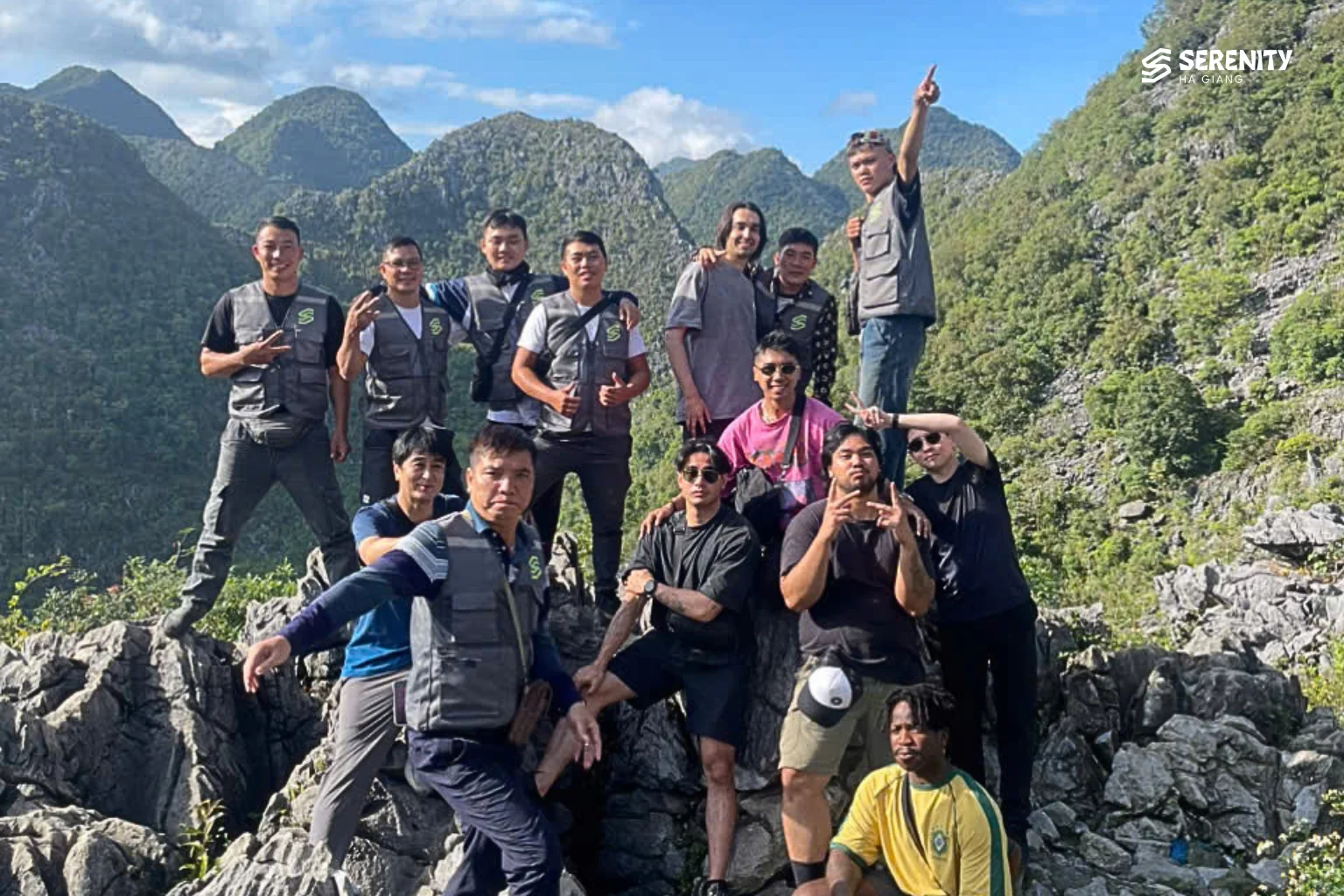
- The prices and information shown in the table above are taken from the Serenity Ha Giang Hidden Trail 3D2N tour and Sapa Valley Trek and Homestay as a reference. The actual payment, inclusions & exclusions can change depending on the operator.
- The Ha Giang tour total cost is a bit higher in the table due to the extra fees for fuel, easy rider, and border permit, which are not necessary when visiting Sapa. Visiting Ha Giang by yourself is more cost-effective, but it comes with a lot of self-preparation.
More than that, it is worth understanding that the totals between the two places are hard to balance out for two main reasons:
- Duration: Sapa is often done as a shorter 2-day trip, whereas Ha Giang requires at least 3 to 4 days for the full loop. Because Ha Giang takes more days, the overall trip cost can match or come close to a shorter, slightly pricier stay in Sapa.
- Infrastructural differences: Sapa is a well-developed, commercialized mountain resort town with a wide variety of upscale hotels, restaurants, and convenience options. Ha Giang offers a more rugged, remote experience with mostly basic guesthouses and family homestays.
Ha Giang vs Sapa: Which is less crowded?
To put it quickly: Ha Giang is significantly less crowded than Sapa. However, both Ha Giang and Sapa have crowded and quiet parts.
For Sapa:
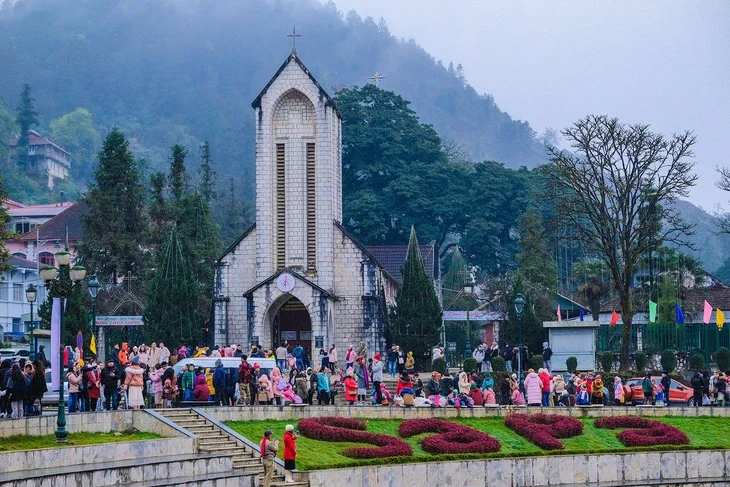
- Crowded areas: Sapa’s town centre and popular trails, or cable cars to Fansipan, are very touristy, with remote villages much quieter.
- Peak times: During the year, August- September is the busiest. Plus, Sapa gets extremely busy on weekends and holidays when domestic travelers from Hanoi arrive in large numbers.
For Ha Giang:
- Crowded areas: The famous Ha Giang Loop has grown in popularity among independent backpackers and motorbike groups; it spreads out over a vast 350-km mountain route rather than a single town
- Peak times: Popular viewpoints and main homestays can see pockets of traffic during high season (September to November), but the space between stops remains vast and remote
Ha Giang vs Sapa: Comparison of urbanization levels and cultural experiences
Modern comfort or raw culture? Urbanization vs. Authenticity are very different for Sapa and Ha Giang:
- Sapa (Developed Mountain Resort): Sapa town has undergone intense commercial urban development, resulting in multi-story concrete hotels, heavy tourist traffic, and the Sun World Fansipan cable car complex. In high-traffic spots like Cat Cat village, commercialized photo props, costume rentals, and street-vendor solicitation (including young children selling souvenirs) are common. However, it offers superior comfort: boutique spas, heated pools, craft cocktail bars, and international dining
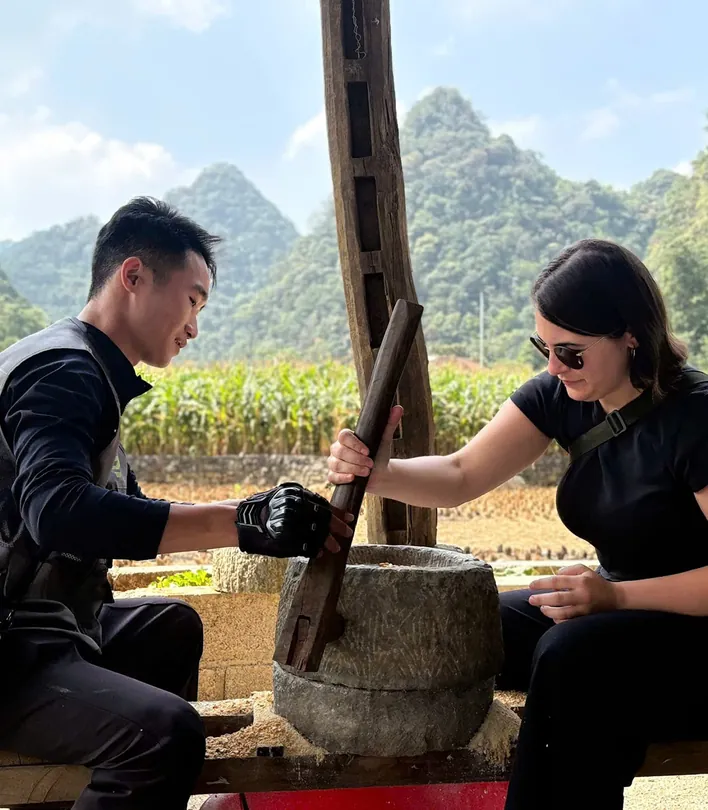
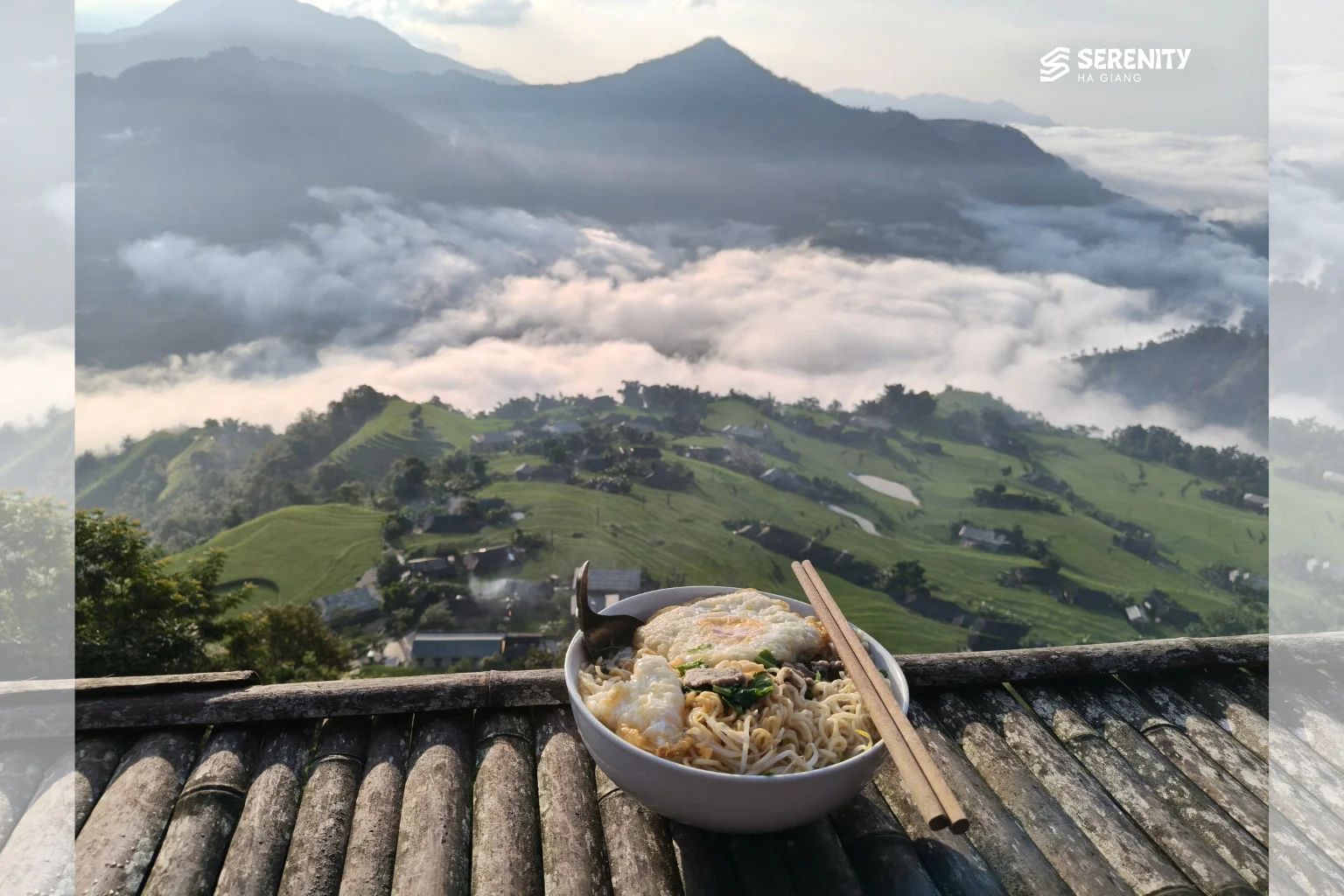
- Ha Giang (Raw Cultural Immersion): Ha Giang remains 10 to 15 years behind Sapa in terms of commercialization. There are no mega-resorts on the loop. Encounters with Hmong, Tay, and Dao ethnic groups occur organically in working corn fields, stone-fence villages, and weekly barter markets (like Dong Van and Meo Vac) rather than staged performances. Infrastructure is simpler, but the cultural integrity is far more intact.
Ha Giang or Sapa: which should you choose?
The right choice depends on who is travelling and how much time you have.
- First-time rider: Neither is a gentle first ride. One operator rates Sapa-area roads as easier, and a guided Loop lets you travel as a passenger.
- Experienced rider: The Ha Giang Loop offers the more technical, multi-day ride.
- Non-rider or nervous about mountain roads: Sapa on foot keeps the focus on walking and villages.
- Solo traveler: We recommend you explore the Ha Giang Loop tours for meeting other travelers and the friendly “easy riders” (the experienced rider of the loop who will drive you). If you prefer to have your “me-time”, then Sa Pa gives you a quieter, slower pace.
- Only 2-3 days: Sapa fits that window. The Ha Giang Loop is possible but can be a bit more rushed and skip some spots.
Choose Ha Giang if you…
- want a multi-day road journey rather than a base
- can spare 3-4 days plus travel
- accept homestay-level lodging
Choose Sapa if you…
- have 2-3 days
- want trekking and rice terraces
- want a wide choice of hotels, from hostels to resorts
Some travelers combine both.
Ha Giang vs Sapa: Which is your final decision?
Ha Giang vs Sapa is a choice between a remote road journey and a trekking base with more comfort. Ha Giang rewards 3-4 days and either confident riding or a guided passenger seat. Sapa rewards 2-3 days on foot, with more accommodation choices.
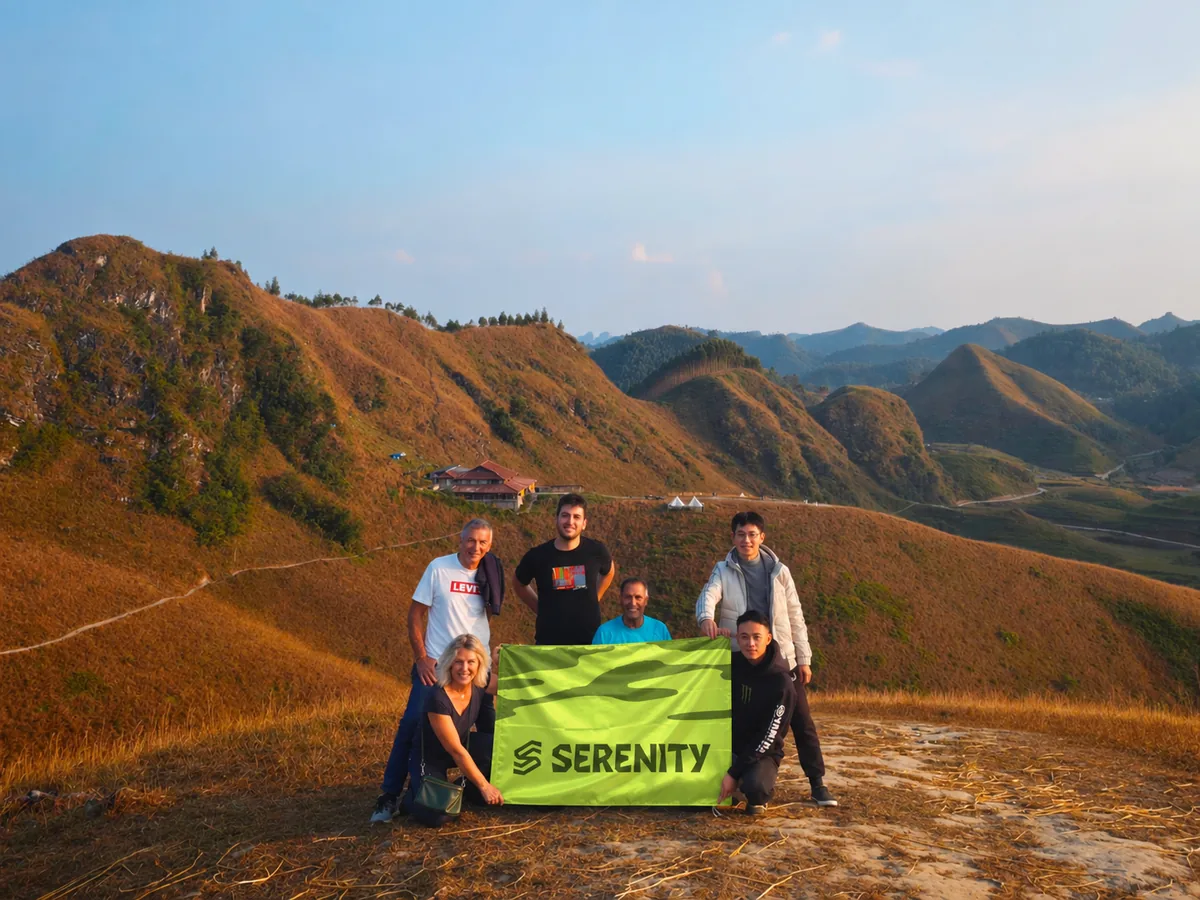
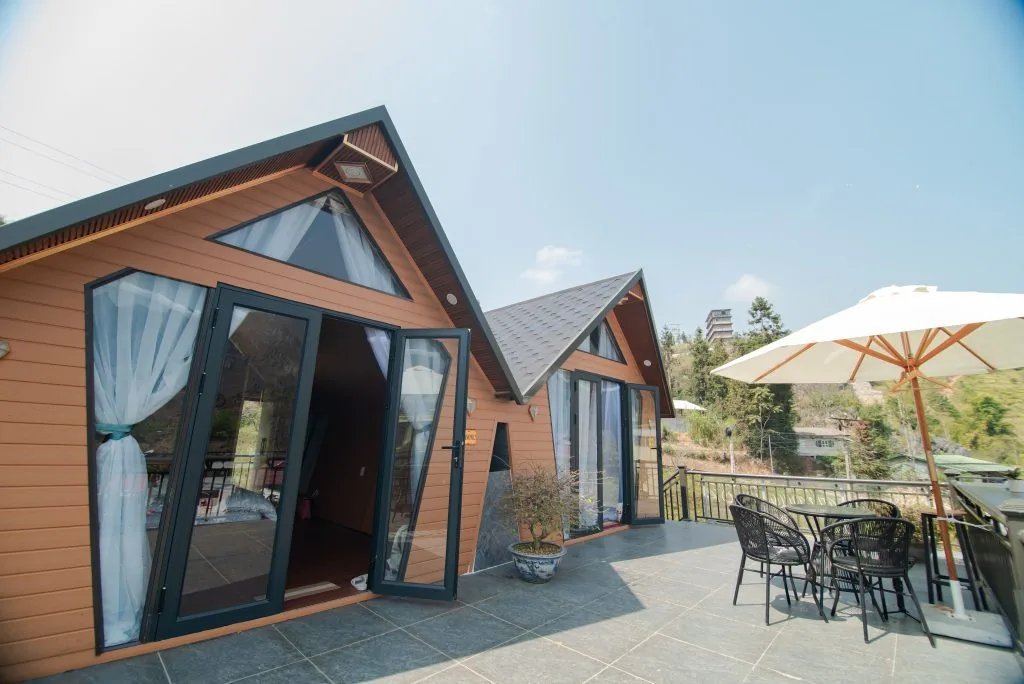
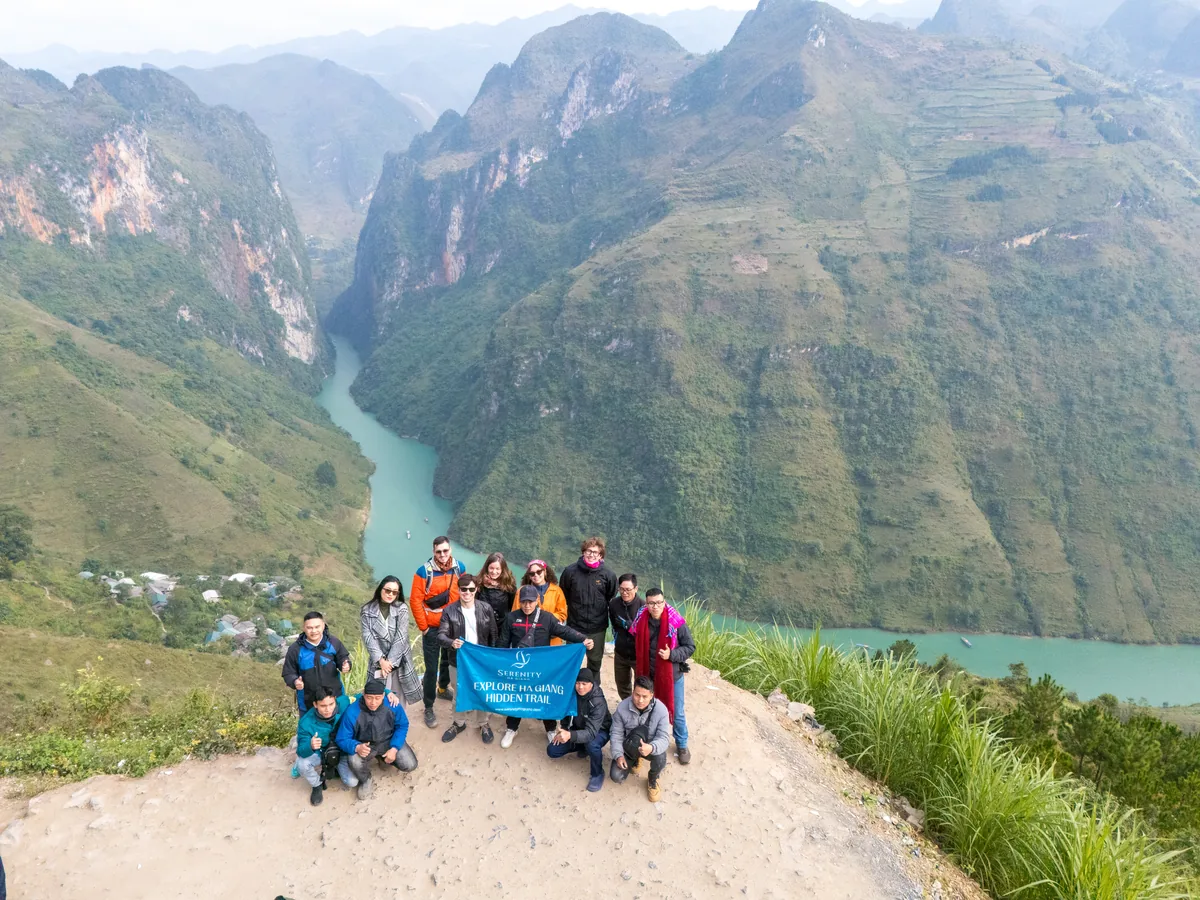
If the Loop is your pick and you would rather not organise riding and lodging yourself, Serenity Ha Giang’s Ha Giang Loop tour caps groups at 8 people and uses private bungalows.
FAQ
Q: Can I travel directly between Sapa and Ha Giang?
Yes, the distance is about 225- 250 km, and you can go by a direct bus for 6- 7 hours for roughly $15-20 USD, or a private car for roughly $100-150 USD. One-way motorbike rental between the two is usually unavailable because most shops do not maintain physical branches in both locations, so riders typically start in Hanoi and loop Hanoi to Ha Giang to Sapa and back.
Q: Do I need special border permits for Ha Giang or Sapa?
Ha Giang requires a permit; Sapa does not.
Because the Ha Giang Loop traverses sensitive border districts adjoining China, foreign passport holders must obtain a Vietnam Border Area Entry Permit (~250,000 VND / $10 USD). Sapa has no restricted border zones – you only purchase local admission tickets at individual hiking valleys and villages.
Q: Which is better for families with children or elderly travelers: Ha Giang or Sapa?
Sapa is significantly better for families and seniors. Sapa features accessible paved walking trails, modern private vehicles, international hotels with elevators/heating, and the Fansipan cable car. The Ha Giang Loop involves 5 to 7 hours of daily motorcycle riding on narrow cliffside passes, basic homestay facilities, and limited medical infrastructure, making it physically taxing for young children or older travelers.
Q: Which destination is better if I cannot ride a motorbike?
Both are accessible, but the experience differs:
In Sapa, you do not need a motorbike at all – you explore terraced valleys on foot with a local guide, take local electric buggies, or use taxis.
In Ha Giang, you cannot hike between towns. If you do not ride, you must hire a local Easy Rider (sitting pillion behind a licensed driver) or book an open-air 4×4 Jeep tour to traverse the 350 km circuit.